

 Gas fireplace service
 Sweep & inspection
 Caps & crowns
 Flue relining
 Masonry repair
Level 1 sweep and inspection to the NFPA 211 annual standard - flue, crown, cap, and flashing checked and photographed
Chimney sweep logs do not sweep chimneys. They loosen some creosote - which then falls where a brush and vacuum still have to collect it.
Why Bellevue Homeowners Choose HeatShield Chimney Cleaning
We provide independent HeatShield chimney cleaning and service in Bellevue. That means we clean, inspect, repair and resurface HeatShield flue systems as an independent service provider, not as a HeatShield dealer or representative, and the work is backed by technicians who have up to 11 years of experience with this product and the Bellevue homes it sits in.
HeatShield is a flue resurfacing product. It is applied to the inside of a clay tile liner to seal cracks and rebuild a smooth, protected surface, and it lives or dies on how well it’s applied. In Bellevue, a city where decades-old ranch homes with original masonry fireplaces sit minutes from new downtown high-rises, that matters. A HeatShield system doing its job keeps an aging flue usable for years. One applied over a dirty or wet flue will start failing within a season or two, and you’ll see the signs before anything dangerous happens – if you know what to look for.
We are not affiliated with or authorized by HeatShield. We’re an independent shop that knows this product well enough to tell you when it’s the right answer and when it isn’t. Call (844) 625-7326 to book a free estimate.
Why Trust Bellevue Chimney Sweep for Your HeatShield Chimney Cleaning?
HeatShield work has one real skill: knowing whether the flue under the coating is sound enough to hold it. Get that judgment wrong and the repair fails no matter how good the application looks on the day.
Our technicians have up to 11 years of experience working with HeatShield resurfacing systems. That time has been spent learning the product’s specific requirements in Pacific Northwest conditions, including how it behaves in a wet marine climate where masonry can hold moisture for months. We evaluate surface condition, moisture, adhesion and tile integrity before recommending a resurfacing job. If a flue isn’t a suitable candidate, we’ll say so.
When a repair is needed, we use quality parts that fit HeatShield equipment. The proprietary primer and compound the manufacturer supplies are formulated to work with their own system, so we use materials made to the correct specification. Generic cement or a “close enough” mix applied to the wrong surface is how coatings fail early.
We’re also careful about warranty. When a HeatShield system is still under a manufacturer warranty, we do everything possible to keep that intact. That means documented inspections, correct preparation, and nothing that would void coverage when you need it. Call (844) 625-7326 to talk through your situation.
Styles & brands we work with
- Sweep & inspection
- Caps & crowns
- Flue relining
- Masonry repair
- Gas fireplace service
Common HeatShield Chimney Cleaning Problems We Fix in Bellevue
Every HeatShield problem traces back to the same root: something was wrong with the flue before the coating went on, or something went wrong in the months after. Here’s what we see most.
- Premature cracking or spalling of the coating. This usually comes from poor surface preparation or the coating being applied over a dirty flue. Creosote, soot and dust prevent proper adhesion, so the HeatShield layer never truly bonds to the clay. It then cracks and flakes as the flue heats and cools. In a Bellevue home where the fireplace runs hard in winter and sits cold the rest of the year, that thermal cycling works a coating loose fast.
- Delamination of the resurfacing layer. This is when the coating lifts off the liner in sheets or patches. The cause is almost always active moisture intrusion or poor adhesion at the time of application. Bellevue’s wet, mild climate drives this more than cold does – water gets into the masonry through a cracked crown or a bad flashing, and the coating loses its grip from behind. Efflorescence on the exterior brick is a common early clue.
- Inadequate thickness or incomplete coverage. A coating that’s too thin, or that misses a section around an offset or at a flue joint, leaves gaps. Creosote builds up in those gaps faster than anywhere else, and you end up with a recurring draft problem and chimney cleaning that never quite gets the flue back to clean. This is a coverage issue, not a cleaning issue.
- Cracking at the crown or flue collar. This is where HeatShield meets the adjacent masonry at the top of the chimney. Different materials expand and contract at different rates, and at that junction the movement shows up as a hairline crack. Over a few Bellevue rainy seasons it widens and lets water straight into the top of the flue.
- Recurring creosote after a resurfacing. Sometimes the HeatShield job was done well, but the fireplace or insert is being run in a way that produces heavy creosote anyway, or the flue was resized at some point and now the appliance is undersized for it. Many mid-century Bellevue homes have had wood inserts or gas log sets retrofitted into original flues that were never sized for them. Cleaning helps, but the real fix is looking at the whole system.
If any of those sound familiar, a Level 2 Inspection with video scanning is the right place to start. It lets us see exactly what’s happening inside the flue before anyone touches it.
HeatShield Parts & Our Repair-vs-Replace Approach
We don’t stock or carry HeatShield parts, and we’re not a dealer. What we do is repair, install and service HeatShield systems using quality parts that fit the equipment, and help you decide which route makes sense.
HeatShield repairs depend on the manufacturer’s proprietary Cerfractory compound and primers. Aftermarket substitutes are not equivalent. They can look the same going on and behave differently once they cure, which is a bad trade on a flue liner that’s supposed to protect you for years. We use materials made for the system.
The repair-versus-replace decision usually comes down to the condition of the clay tile underneath. If the flue has isolated cracks, a sound tile structure and no active water problem, a spot resurfacing or a full HeatShield application is often a good option, and a well-done resurfacing can add years to a flue that would otherwise need replacing. If the tile is badly spalled, has gaps or missing sections, or the flue has structural damage beyond what resurfacing can bridge, we’ll tell you plainly that a full reline is the right call. Patch work over a failing liner wastes money and doesn’t fix the hazard.
We handle DuraFlex flexible liner systems in-house, so if the answer is reline, you’re not sourcing a second contractor for the most structurally critical part of the job. Call (844) 625-7326 for a free estimate and a straight answer on which route fits your flue.
Our HeatShield Service Process – Step by Step
- 1
Diagnosis. We start with a Level 2 Inspection, which includes video scanning of the flue. We look for cracks in the existing HeatShield coating, delamination, gaps in coverage and any underlying tile damage. We also check the crown, flashing and damper, because HeatShield problems in Bellevue very often start with water coming in from the top.
- 2
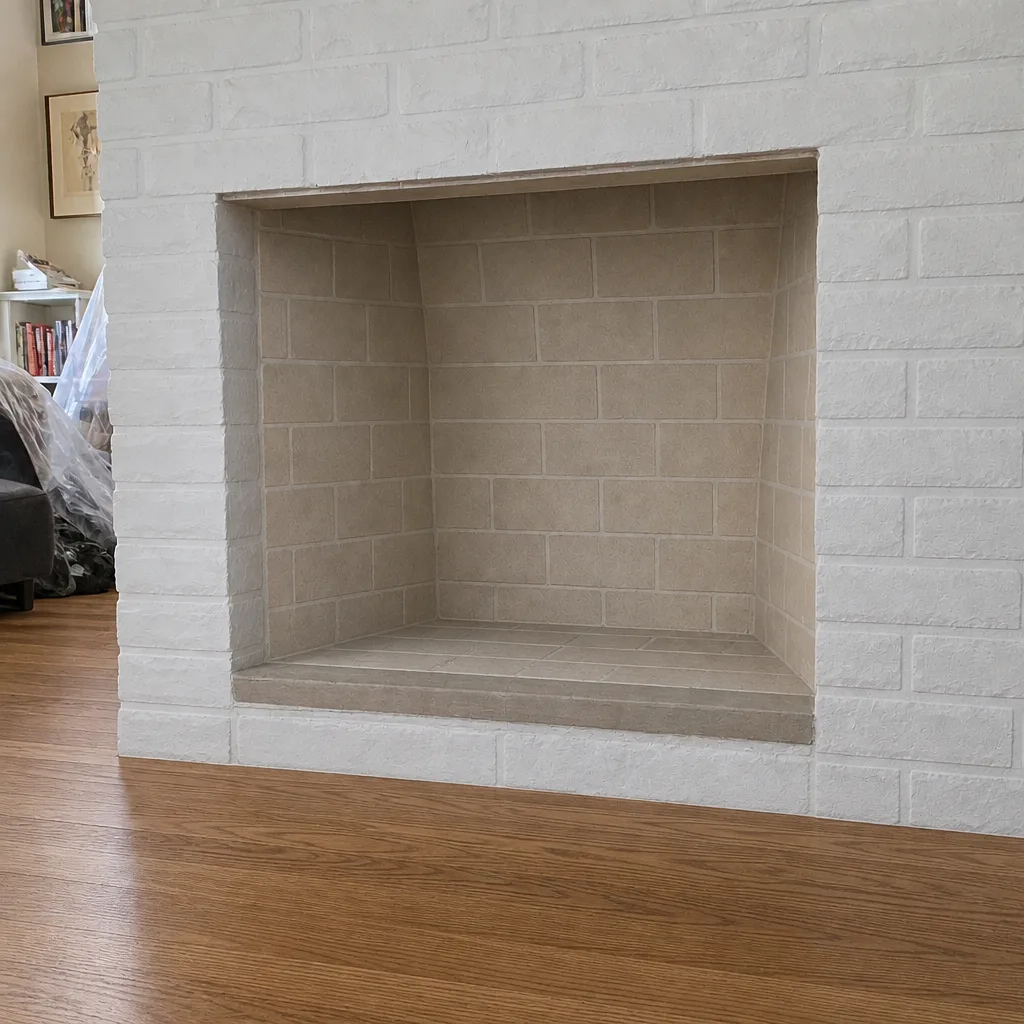
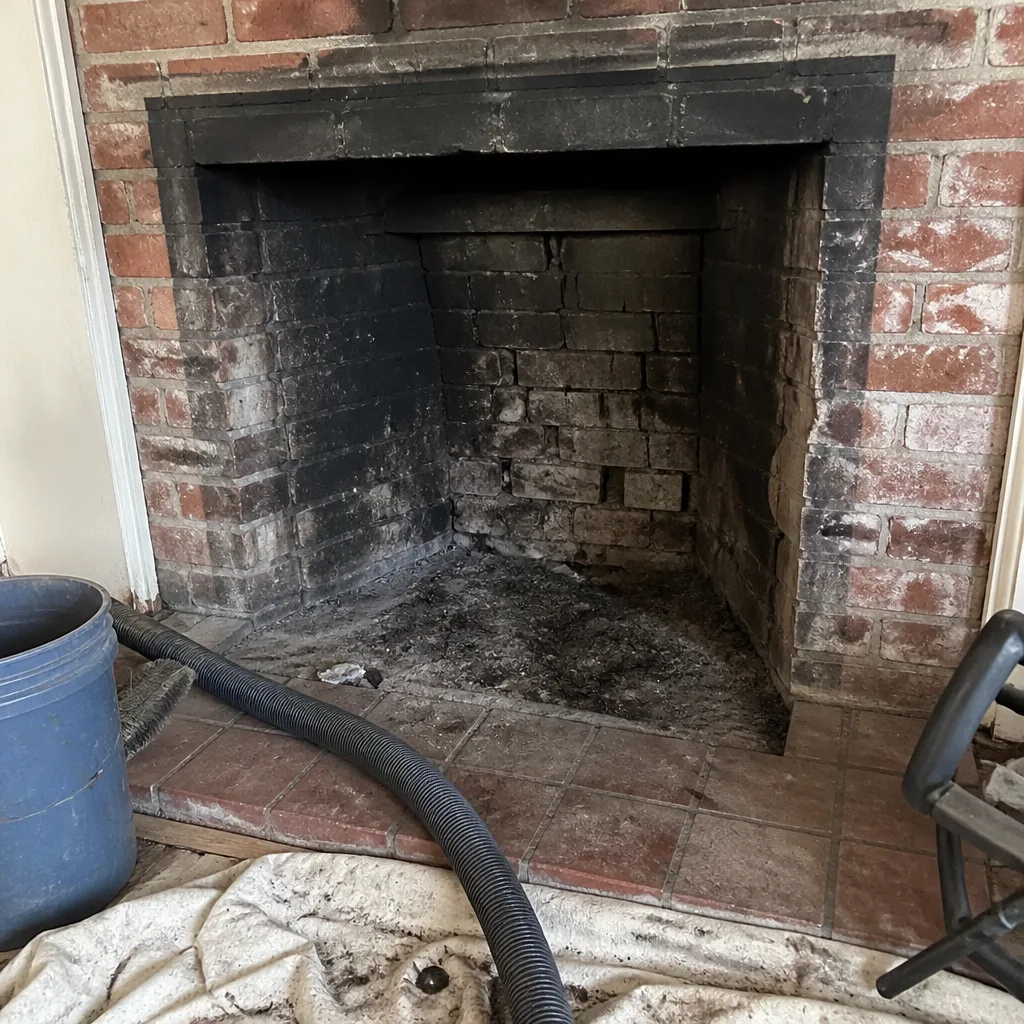
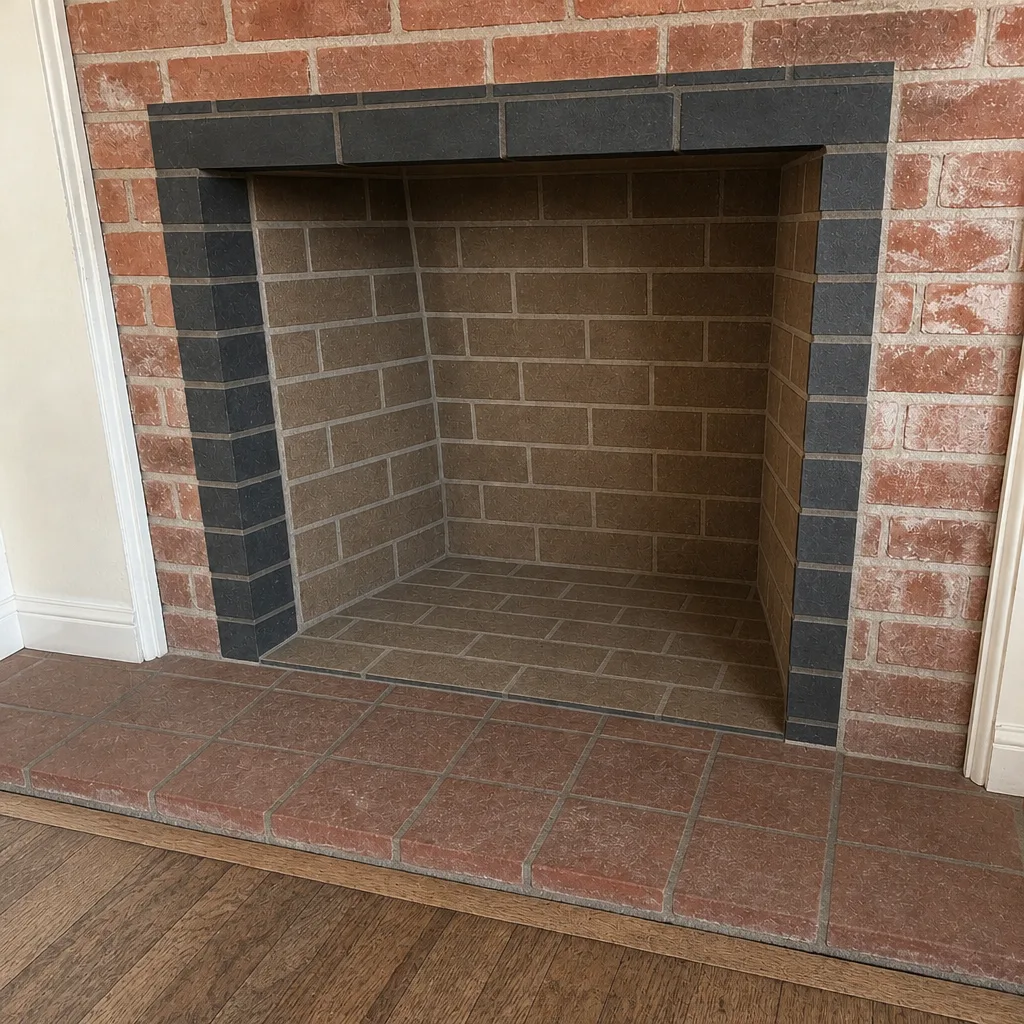
Prep and repair or install. If the coating can be salvaged in places, we clean the flue thoroughly, address any moisture source, prime the surface and spot-resurface with HeatShield compound. If we’re installing fresh, we apply the system to properly prepared clay tile. Firebox work gets the same care, since HeatShield is also used on masonry fireboxes and the firebox takes the most direct heat.
- 3
Test. Once the compound has cured according to the manufacturer’s curing requirements, we run the system, check draft and do a second video pass to confirm the coating is continuous and bonded. You get a photo report of what we found and what we did.
- 4
Warranty-safe records. We document the application, the materials used and the condition of the flue so nothing in the paperwork works against a future HeatShield warranty claim. You keep the record.
See the difference
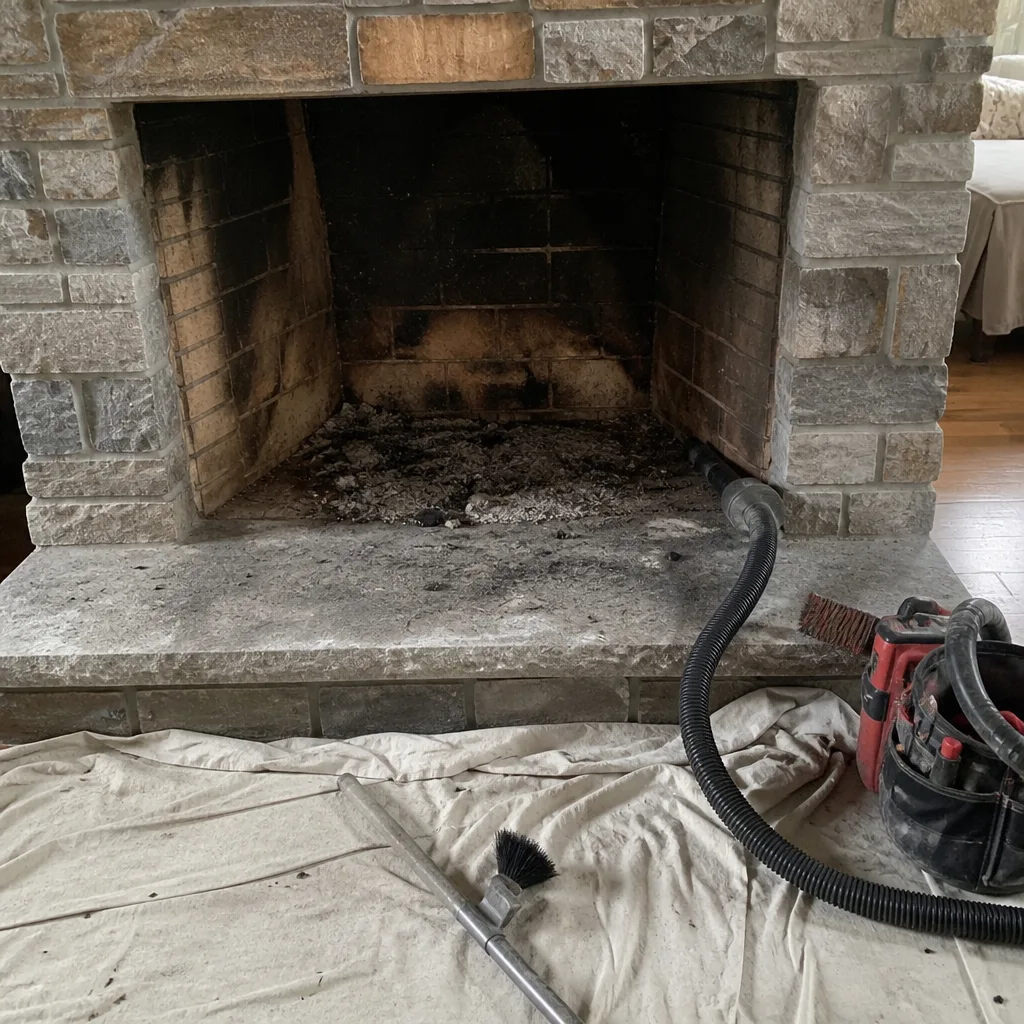 Before
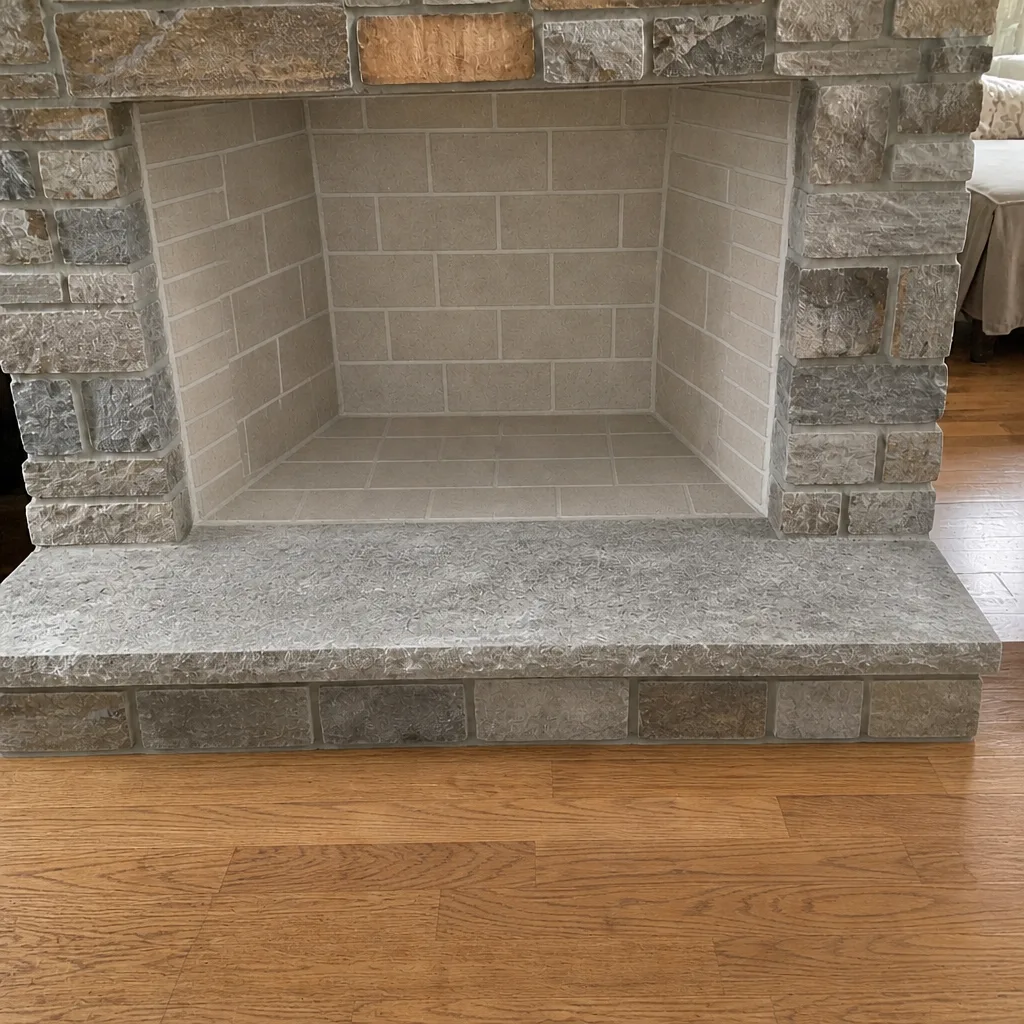 After
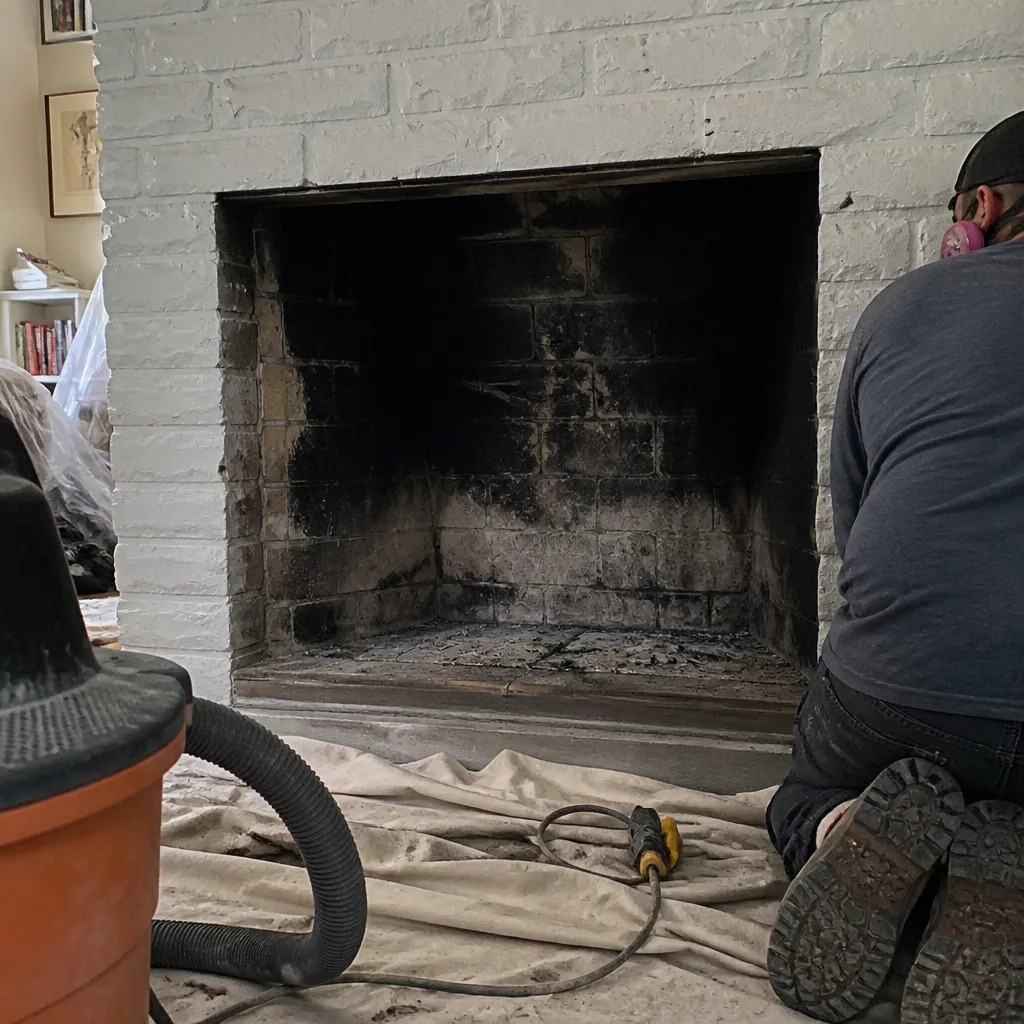 Before
 After
 Before
 After
HeatShield Products We Service & Install in Bellevue
We work with the full range of HeatShield applications used in residential chimneys around Bellevue.
The HeatShield Resurfacing System is the core product for clay tile liners – it rebuilds and seals the interior of a flue that’s cracked or deteriorating but still structurally sound. The HeatShield Cerfractory Flue Sealant handles sealing and repair work inside the liner. For fireplaces, HeatShield for Masonry Fireboxes restores firebox walls that have spalled or cracked from heat cycling, and HeatShield Pre-Mixed Resurfacing Compound is used in the application itself.
Some of these applications suit an older Bellevue masonry chimney. Others don’t. A direct-vent gas appliance in a downtown townhome is vented completely differently and won’t take a HeatShield resurfacing at all. We’ll tell you which category your chimney falls into before any work is quoted.
We Also Service These Brands
HeatShield is one tool, not the whole toolbox. We also work with DuraFlex flexible liner systems for full relines, and with Gelco products for chimney and hearth repair. That multi-brand capability matters when the right answer for your Bellevue chimney isn’t HeatShield at all – you don’t have to start over with a different contractor to get the right fix.
FAQs – HeatShield Chimney Cleaning Service in Bellevue
No. We are an independent HeatShield service provider and are not affiliated with, authorized by or endorsed by HeatShield. We work with their products because we know them well, not because we’re a dealer or factory representative.
Yes. HeatShield repairs rely on the manufacturer’s proprietary Cerfractory compound and primers, and we use materials made to that specification rather than generic substitutes. Aftermarket cement mixes aren’t equivalent and can compromise a resurfacing job. Call (844) 625-7326 to talk about your flue.
Most HeatShield jobs are a single-day visit once the flue has been inspected and confirmed as a suitable candidate. The inspection and video scan, the cleaning and prep, and the application itself all happen in sequence. Curing requirements then determine when the chimney can be used again, and we’ll tell you exactly when that is before we leave.
We service and install HeatShield Resurfacing Systems for clay tile liners, Cerfractory Flue Sealant, HeatShield for Masonry Fireboxes and Pre-Mixed Resurfacing Compound. If you’re not sure which product applies to your chimney, the inspection answers that.
Not when the work is done to the manufacturer’s requirements, and that’s how we approach every job. We document the flue condition, the materials and the application so you have a record if a warranty question ever comes up. If your system is still under a manufacturer warranty, tell us at booking.
A standard chimney cleaning is typically the lowest-cost service, a Level 2 Inspection with video scanning costs more, and HeatShield resurfacing is priced per job based on the flue’s length and condition. Every price is set by a free written estimate before any work is booked, so you know the number in advance. Call (844) 625-7326 for an exact quote – estimates are free.
A properly applied HeatShield resurfacing can last many years, but its lifespan in Bellevue depends heavily on moisture control. A cracked crown, bad flashing or missing cap lets water into the masonry and shortens the coating’s life no matter how well it was applied. Keeping those details sound is what makes the resurfacing last.
Sometimes, yes – resurfacing is designed for clay tile liners with cracks and general deterioration but a tile structure that’s still intact. If the tile is badly spalled, missing sections or structurally failing, resurfacing won’t hold and a full reline is the better answer. The video inspection is what separates the two.
Yes. HeatShield compound has specific curing requirements set by the manufacturer, and the application has to be protected and brought along correctly during that window. In Bellevue’s damp climate, moisture and curing time need extra attention – rushing the cure to get the fireplace back in use is one of the most common reasons a coating fails early. We follow the product’s requirements rather than a shortcut.
Common signs include flakes of coating found in the firebox, recurring creosote buildup despite cleaning, draft problems, and visible cracks or gaps in the flue when it’s scanned. Delamination can also show up as a hollow sound when the flue is tapped, which is why a technician checks it in person. Any of these warrants a Level 2 Inspection before the fireplace is used again.
HeatShield is a resurfacing product for masonry clay tile flues and fireboxes, so it suits wood-burning masonry chimneys. A direct-vent gas appliance, common in Bellevue’s newer townhomes and mid-rise units, is vented through a factory-built system that doesn’t take a HeatShield application and needs manufacturer-specific servicing instead. Tell us what you have and we’ll point you the right way.
One thing worth knowing before you book anywhere: a homeowner with a resurfaced flue may notice recurring creosote or draft trouble years after the original application. That’s the point where a technician should video-scan the flue for coating cracks or delamination, clean out any creosote, and decide whether the HeatShield layer can be spot-repaired with fresh compound after proper cleaning and priming – or whether the damage is extensive enough to call for a full reline. Anyone who quotes you resurfacing without scanning first is guessing.
Book Your HeatShield Service in Bellevue, WA
If your Bellevue chimney has a HeatShield liner and you’re due for a cleaning, an inspection or a look at a coating that might be failing, we’ll give you a documented assessment and a straight answer. Call (844) 625-7326 for a free estimate. We answer 24/7, with fast dispatch from 7am to 7pm, Sunday through Friday, closed Saturday.
Written by the team at Bellevue Chimney Sweep.