
Last updated November 25, 2026
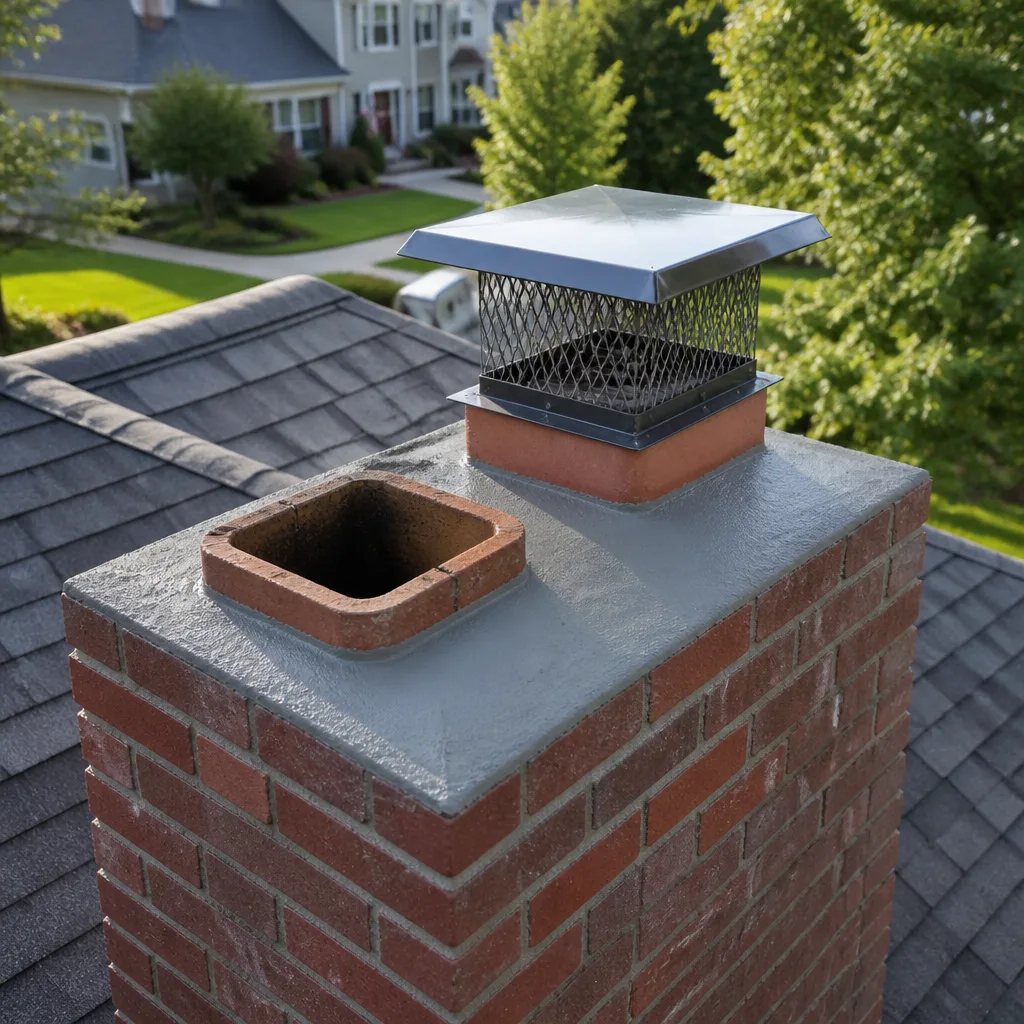 Sweep & inspection
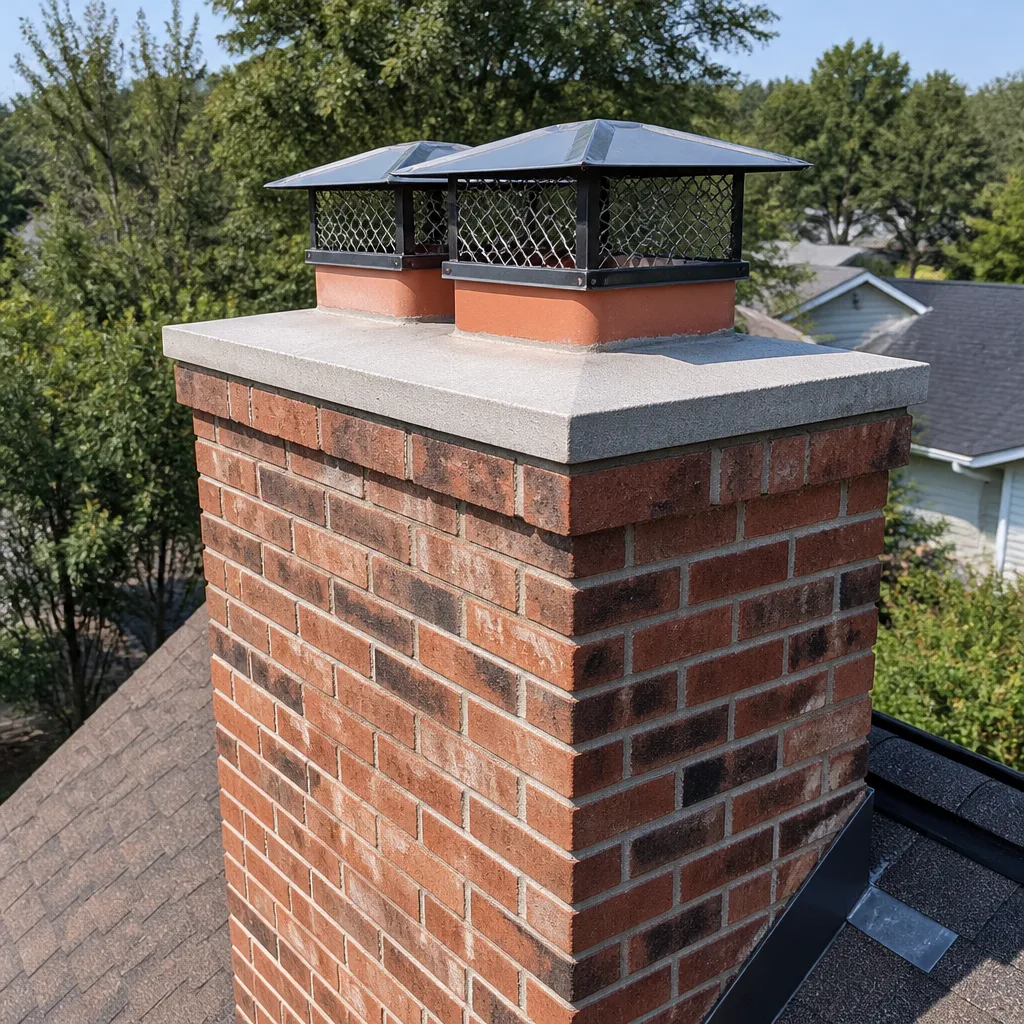 Caps & crowns
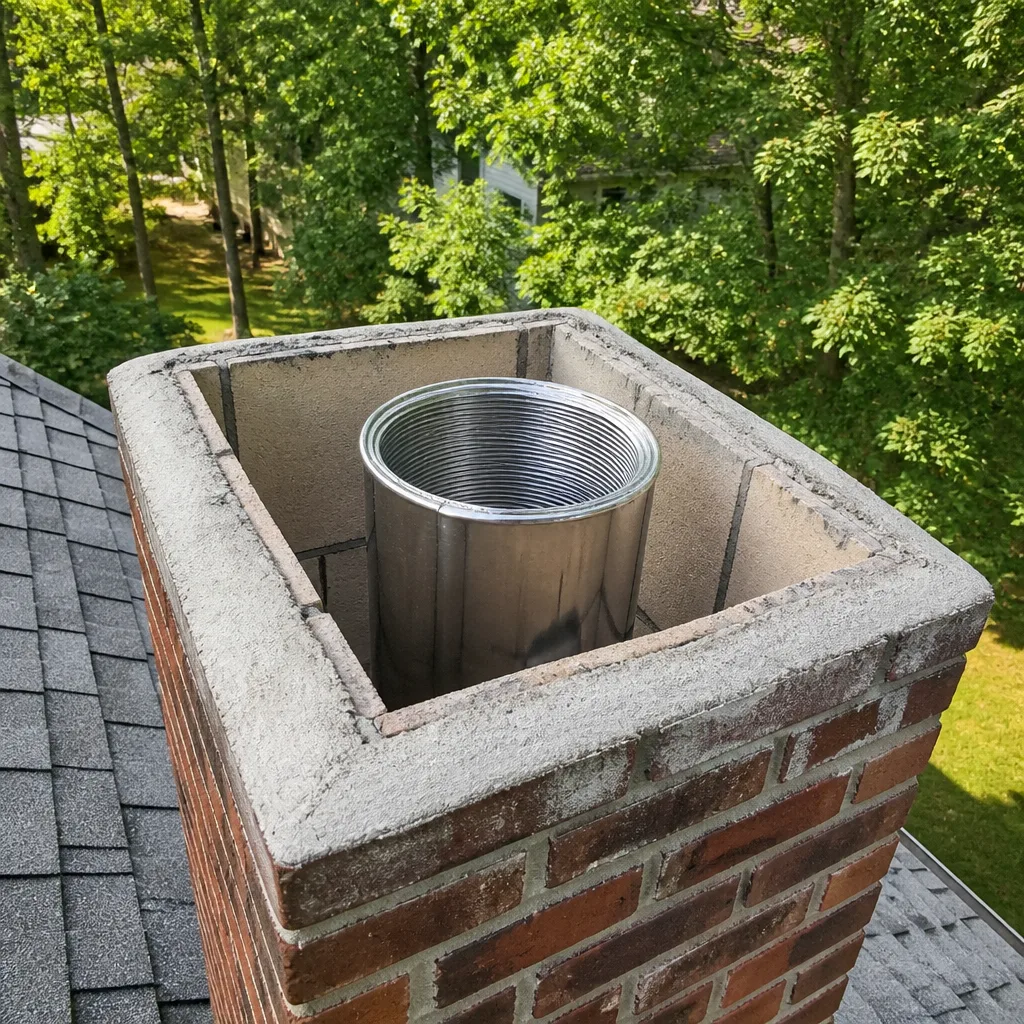 Flue relining
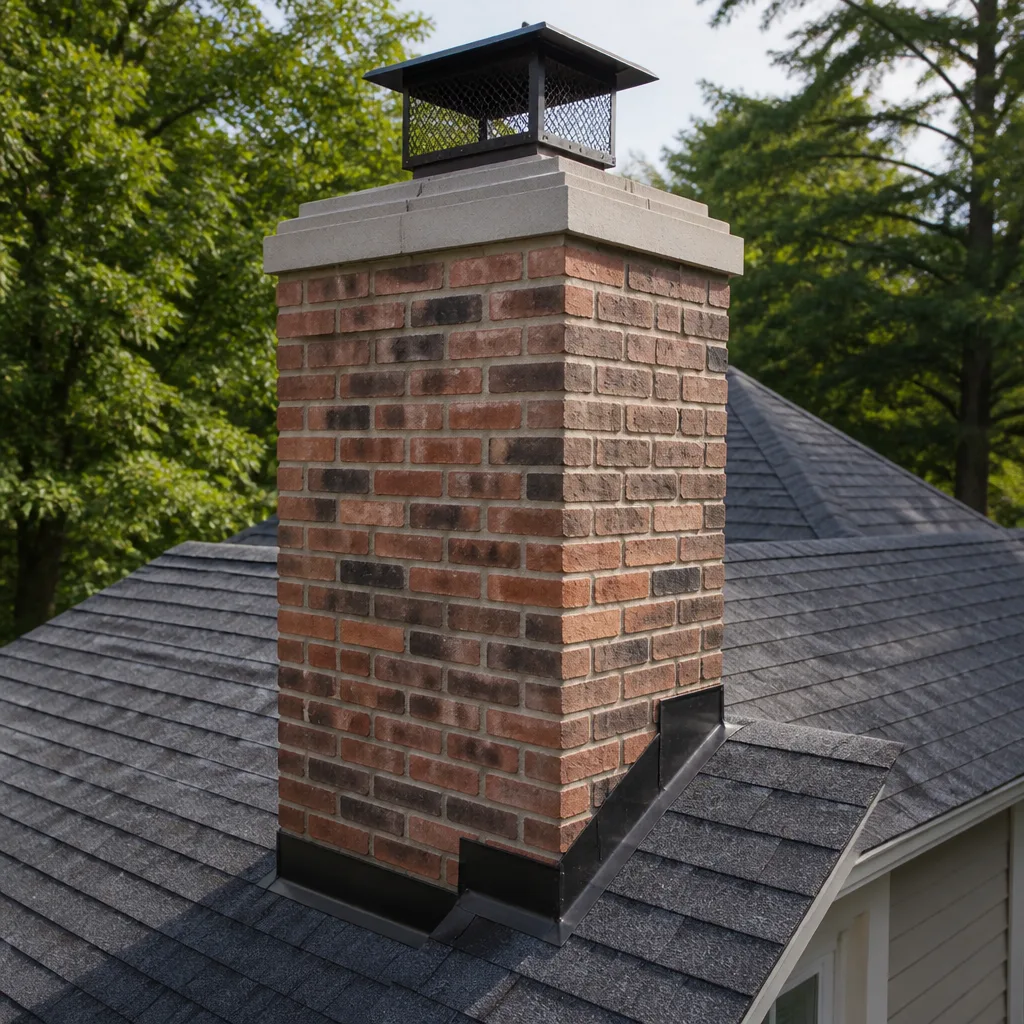 Masonry repair
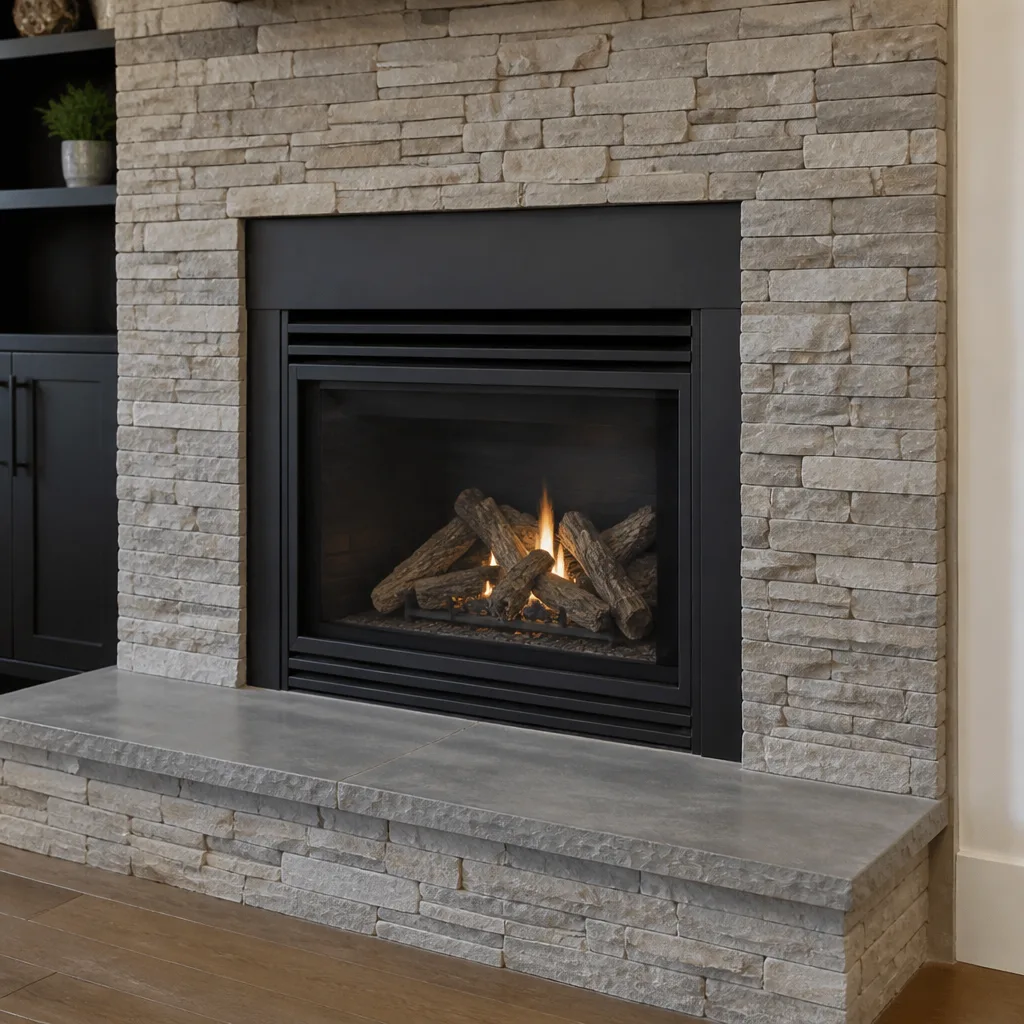 Gas fireplace service
Level 1 sweep and inspection to the NFPA 211 annual standard - flue, crown, cap, and flashing checked and photographed
Chimney sweep logs do not sweep chimneys. They loosen some creosote - which then falls where a brush and vacuum still have to collect it.
Chimney Sweep Maintenance Checklist for Bellevue Homeowners
Most chimney checklists start at the flue and stop at the firebox. The item homeowners skip, though, is the smoke chamber, and it’s the one that causes a disproportionate share of draft problems and fire hazards in older Bellevue homes. That shelf above the damper collects creosote and soot where a brush rarely reaches, and it’s a common source of weak draft and smoky fires. This guide walks through every component of your chimney, task by task, so you know what to check yourself, what needs a camera inspection, and how to track deterioration year over year before a small repair turns structural.
Quick Answer
A complete chimney maintenance checklist for a Bellevue home covers seven components: cap, crown, flashing, liner, firebox, damper, and smoke chamber. Have the flue swept and inspected annually before your first fire of the season, check the cap and crown visually each fall, and keep a dated record of what your technician finds so you can spot freeze-thaw mortar damage and liner wear before they escalate. Homeowners can verify the exterior items themselves; the liner, smoke chamber, and interior joints require a camera inspection.
Styles & brands we work with
- Sweep & inspection
- Caps & crowns
- Flue relining
- Masonry repair
- Gas fireplace service
Table of Contents
- Why a Bellevue Chimney Needs Its Own Checklist
- The Cap and Crown: First Line of Defense
- Flashing: Where Water Gets In
- The Flue Liner: Stress from Inconsistent Heating
- Firebox, Damper, and Smoke Chamber
- What You Can Check Yourself vs. What Needs a Camera
- Documenting Chimney Condition Year Over Year
- Insurance and Warranty: What Maintenance Records Protect
Why a Bellevue Chimney Needs Its Own Checklist
Bellevue sits in a climate that swings hard between wet and cold. Our winters bring repeated freeze-thaw cycles, and that cycle is the single biggest driver of masonry deterioration we see on chimneys around here. Water soaks into mortar joints during the rainy months, freezes overnight, expands, and pushes the joint apart a little more each time. Do that across a few seasons and pointing that looked fine starts to crumble.
The other local factor is moss and lichen. Bellevue’s damp, shaded conditions are ideal for both, and they love a masonry crown and cap. Organic growth holds moisture against the masonry, which accelerates the same freeze-thaw damage. A crown that’s green and fuzzy in October is a crown that’s quietly failing.
Then there’s the heating season itself. Many Bellevue households burn fires on and off through fall and winter rather than continuously, which creates uneven heating and cooling in the flue. That thermal cycling puts stress on the liner and on the joints, and it’s part of why an annual inspection matters here rather than a quick look every few years.
None of this is meant to alarm you. It’s meant to explain why a generic national checklist misses what actually goes wrong on a chimney in Bellevue. The component-by-component walkthrough below is built around those local failure points.
The Cap and Crown: First Line of Defense
The cap and crown keep water, animals, and debris out of your chimney, and they take the most weather of any part of the system. Start every annual check from the ground with binoculars, then confirm what you see up close.
What the cap does: A chimney cap is the metal hood over the flue opening. It keeps rain from running straight down the flue and stops birds and squirrels from nesting inside. A damaged or missing cap is one of the most common things we find on Bellevue chimneys, especially on homes where the cap was never replaced after a storm.
What the crown does: The crown is the concrete or masonry surface that slopes away from the flue at the top of the chimney. Its job is to shed water off the top and away from the masonry below. A cracked or crumbling crown lets water pool at the top of the chimney, where it gets into the mortar and drives the freeze-thaw damage described above.
Check these items on the cap and crown each fall:
- Rust-through or holes in the cap mesh or hood
- A cap that’s loose, tilted, or missing entirely
- Visible cracks in the crown, especially ones that run toward the flue
- Crumbling or spalling concrete on the crown surface
- Moss, lichen, or plants growing on the crown or cap
- Water staining on the chimney below the crown line
If the crown is cracked, patching it isn’t a real fix. We rebuild crowns so they slope and seal correctly, and we install proper chimney cap & crown work as a matched job. Built to code and built to last beats a smear of sealant that fails by spring.
Flashing: Where Water Gets In
Flashing is the metal that seals the joint where your chimney meets the roof. It’s the most common leak point on any chimney, and it’s easy to miss because the damage shows up inside the house, not on the chimney. A water stain on a ceiling near the chimney chase is often flashing, not roof shingles.
Flashing takes a beating in Bellevue because it has to move with the roof and the chimney as temperatures swing. The sealant and the metal step flashing can separate over time, and once water gets behind the flashing it works its way down into the framing.
You can check the accessible parts of the flashing yourself:
- Look for gaps or lifted edges where the flashing meets the chimney
- Check for cracked or peeling sealant along the flashing lines
- Watch for rust or corrosion on metal flashing
- Note any water staining on the ceiling or walls near the chimney inside
What you can’t easily check is what’s happening under the flashing and inside the roof assembly. That’s hands-on work. When flashing is suspect, the fix is to reset or replace it properly, not to caulk over the gap, because a caulk patch traps moisture instead of stopping it.
The Flue Liner: Stress from Inconsistent Heating
The flue liner is the most structurally important part of your chimney. It’s the barrier between the hot flue gases and the masonry and framing around the chimney. A cracked or deteriorated liner lets heat and carbon monoxide reach combustible material, which is exactly the condition that leads to chimney fires and indoor air problems.
In Bellevue, inconsistent heating seasons put particular stress on the liner. Fires built on cold evenings and then left to cool, then built again days later, cycle the liner through expansion and contraction. Over enough seasons, clay tile liners develop cracks at the joints. Older homes with original clay tiles are where we see this most.
Signs a liner may need attention:
- Visible cracks or gaps in clay tiles during an inspection
- Flaking or spalling inside the flue
- Smoke entering the room when you light a fire
- Draft that’s gotten noticeably weaker over time
- Any liner damage found during a camera inspection
This is where the work gets specialized. A sweep-only operation can clean a flue but can’t properly reline one. We handle DuraFlex flexible liner systems directly, which means code-compliant relining without subcontracting the most critical part of the job. For deteriorated flue liners that don’t need full replacement, HeatShield resurfacing can restore the interior surface, a service most sweep-only operations simply don’t offer. Knowing which repair fits your liner matters, and that call belongs to a specialist who inspects first. For the full scope of what a sweep and inspection involves, see our guide to chimney sweep service.
Firebox, Damper, and Smoke Chamber
The firebox is where everyone looks, and it’s usually the least of the problems. The smoke chamber above it is the one homeowners skip, and in older Bellevue homes it’s a leading source of draft trouble and fire risk.
Firebox: Check the firebrick for cracks and the mortar joints for gaps. A cracked firebrick lets heat through to the structure behind it. Small hairline cracks are common; deep cracks or missing chunks need repair, not a fire lit over them.
Damper: The damper is the metal door above the firebox that controls airflow. Open and close it by hand each season. It should move smoothly and seal when closed. A damper stuck open or closed is a draft and efficiency problem, and it’s a straightforward repair.
Smoke chamber: This is the shelf above the damper that funnels smoke into the flue. It collects soot and creosote where a brush often doesn’t reach, and rough or damaged chamber walls create turbulence that weakens draft. In our experience, a smoky fireplace that “used to work fine” is often a smoke chamber that needs cleaning or resurfacing. Because of the soot and creosote buildup involved, this is not a DIY space. Heat and creosote in a confined chamber make it a job for a trained technician with the right equipment and a camera to see the condition first.
These three components are the ones most worth asking about at every inspection. If your technician only talks about the flue, ask specifically what the firebox, damper, and smoke chamber look like. Fireplace issues beyond the chimney itself, like a damaged firebox or hearth, fall under fireplace repair and are worth flagging in the same visit.
What You Can Check Yourself vs. What Needs a Camera
Knowing the line between “look at it yourself” and “call a specialist” saves you time and keeps you safe. Here’s the honest split.
Check yourself (visual, from the ground or with binoculars):
- Cap condition: rust, missing mesh, loose hood
- Crown condition: cracks, spalling, moss and lichen
- Exterior masonry: crumbling mortar joints, white staining, tilted sections
- Flashing: gaps, lifted edges, rust where visible
- Damper: open and close by hand
- Firebox: firebrick cracks and mortar gaps at the front
- Interior stains near the chimney: ceilings and walls
Requires a camera inspection or hands-on specialist:
- Flue liner condition: cracks and gaps in tiles behind the firebox
- Smoke chamber condition and creosote buildup
- Interior masonry joints not visible from any opening
- Creosote depth anywhere in the flue (a camera shows the layer, a brush doesn’t)
- Flashing hidden under the roof covering
- Any structural question about the chimney itself
The camera inspection isn’t a sales tool. It’s how you see what’s actually there. A documented inspection lets you look at the same images your technician sees, so a recommendation is something you can verify rather than take on faith. That’s why we offer a Bellevue Chimney Sweep inspection as a standalone service; you get clarity on your chimney’s condition before any repair decision, with no service required to receive it.
Documenting Chimney Condition Year Over Year
Chimneys fail slowly, which is good news and bad news. The bad news is that a slow failure is easy to ignore until it’s structural. The good news is that a simple record lets you catch it early. The homeowners who avoid expensive surprises are the ones who keep a file, not just a memory.
Follow these steps each season to build a year-over-year record:
- Take dated photos of the cap, crown, exterior masonry, and flashing from the ground every fall.
- Keep the inspection report and any camera images your technician provides, with the date on them.
- Write down what was found and what was recommended, plus whether it was repaired or deferred.
- Note the date of each sweep so you know when the next one is due.
- Flag anything the technician said to “watch” and compare it against this year’s photos.
- Keep receipts for any repair work, since materials and warranty terms often depend on them.
A three-ring binder or a folder on your phone both work. What matters is that a crack that was a hairline last year and is a quarter-inch this year tells you something a single photo never will: the deterioration is active and it’s time to repair before it reaches the framing. In a climate with freeze-thaw cycles like Bellevue’s, tracking mortar joints year over year is the single most useful thing a homeowner can do. When you’re ready to act on what the record shows, we’re here to help; you can reach us through Bellevue Chimney Sweep whenever the comparison raises a question.
Insurance and Warranty: What Maintenance Records Protect
Maintenance records do more than track deterioration. In Washington State, they also matter for your homeowner’s insurance and for any warranty on a wood-burning appliance.
Insurance: Most homeowner policies cover fire damage, but a claim can turn on whether the chimney was properly maintained. Insurers increasingly look for evidence that the chimney was swept and inspected, especially after a chimney fire claim. A dated inspection report and sweep record are exactly the kind of documentation that supports a claim rather than complicates it. If your policy has specific chimney or solid-fuel conditions, your documentation is how you show you met them.
Wood-burning appliance warranty: If you have a wood stove or insert, the manufacturer’s warranty often requires installation and maintenance to be done in line with the manufacturer’s instructions and local code. A liner installed to code and maintained with documented sweeps helps keep that warranty valid. Haphazard maintenance, or a repair done by someone who isn’t a chimney specialist, can create a warranty dispute when something fails.
What to keep for both:
- Dated sweep and inspection reports
- Camera images and the technician’s written findings
- Receipts and paperwork for any liner or repair work
- The appliance manual and any warranty terms for stoves and inserts
None of this is a guarantee that a claim will be paid; that’s between you and your insurer, and your policy terms control. But a documented maintenance history is the evidence side of the equation, and it’s easy to build if you start this season.
Common Mistakes to Avoid
- Skipping the smoke chamber. A sweep that only brushes the flue leaves the chamber above the damper untouched, and that’s where draft problems and creosote collect. Ask specifically what was found there.
- Assuming a clean flue means a safe chimney. A flue can be clean and still have a cracked liner or crumbling crown. Cleaning and inspection are two different jobs, and you need the inspection to know the condition.
- Caulking over failing flashing. Caulk traps moisture behind the metal and lets the damage continue out of sight. Flashing needs to be reset or replaced, not sealed over a gap.
- Letting moss and lichen stay on the crown. In Bellevue’s damp conditions, organic growth holds moisture against the masonry and speeds up freeze-thaw damage. It’s a sign the crown needs attention, not just a cosmetic issue.
- Burning before the first inspection of the season. Lighting a fire before the flue and liner have been checked means you don’t know the condition of the system you’re using. Get the sweep and inspection first, then burn.
- Using a general handyman for liner work. Liner replacement is structural and code-critical. It’s the one part of chimney work that calls for a specialist who handles liner systems directly rather than a generalist who’ll subcontract it.
- Throwing away the inspection report. Without last year’s findings, you have no way to tell whether a crack is stable or growing. Keep the record and compare it each fall.
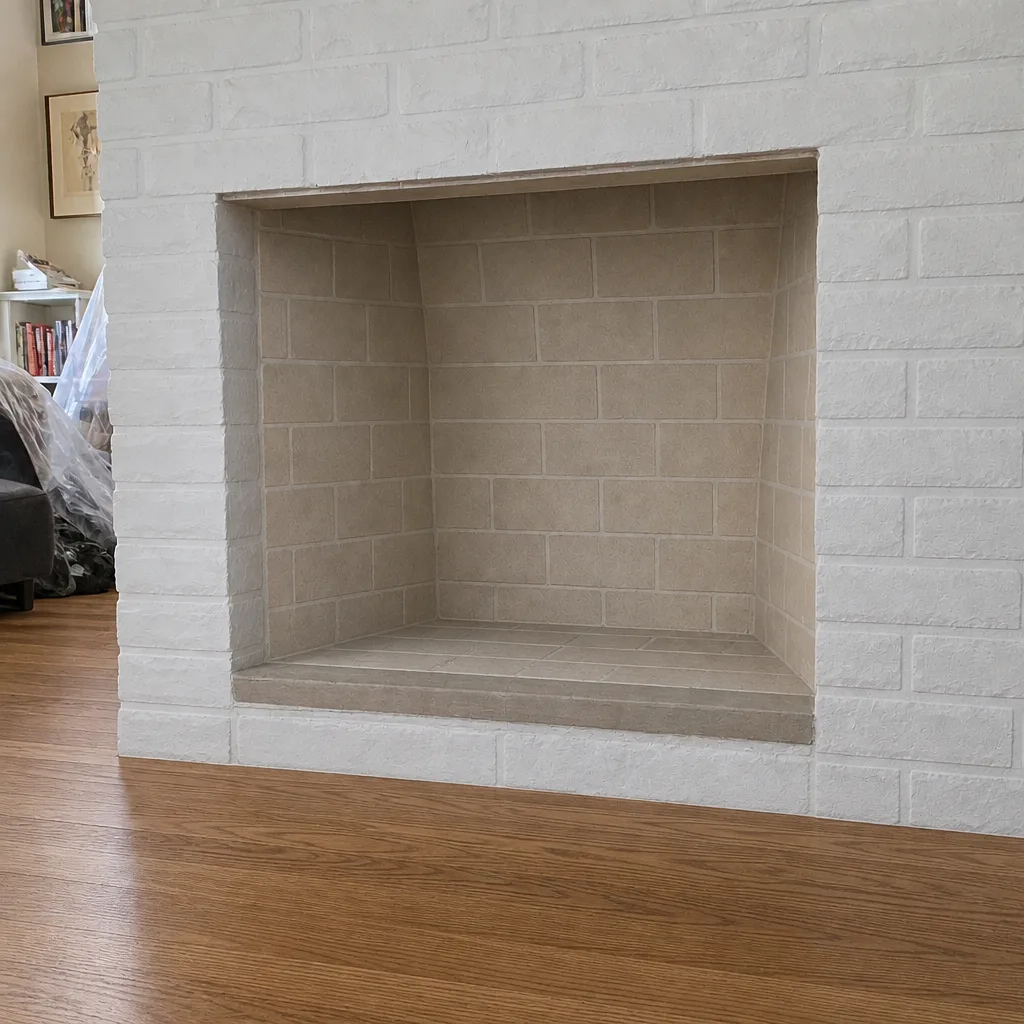
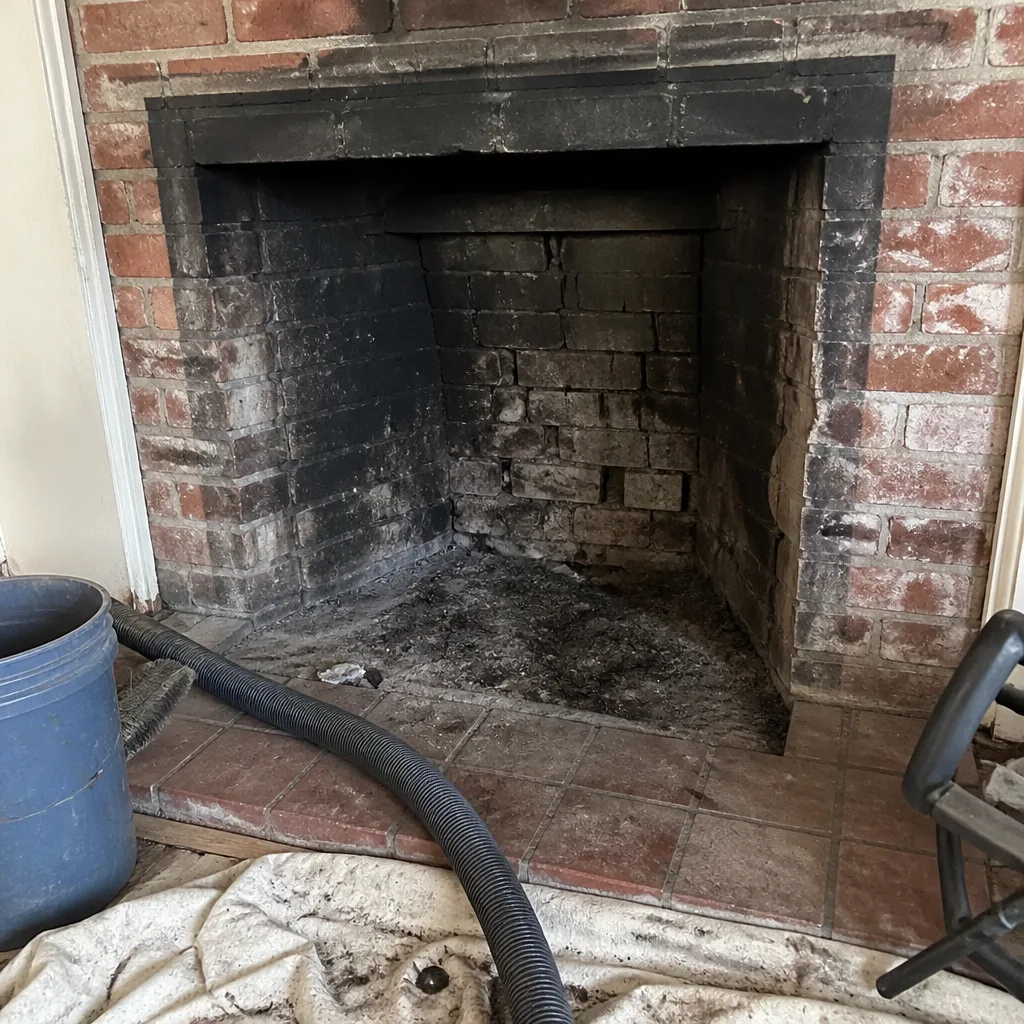
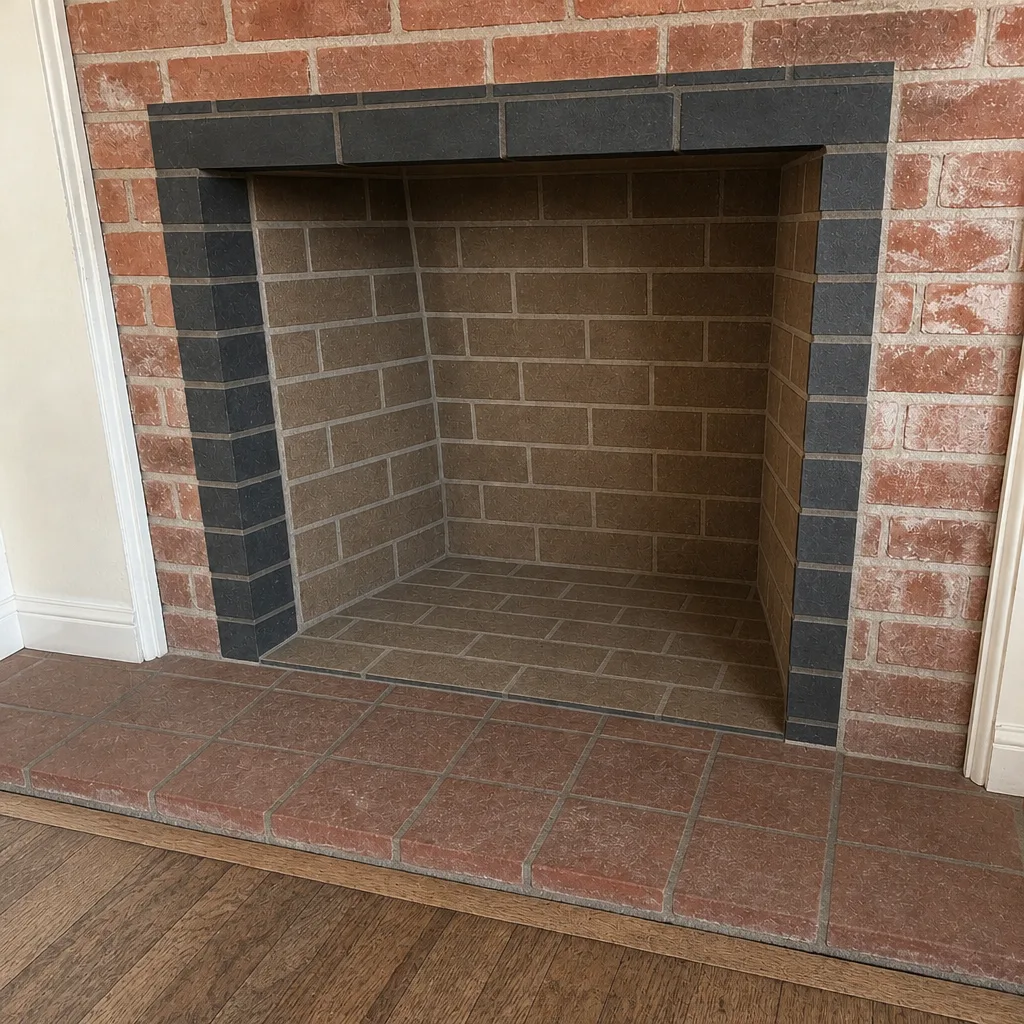
See the difference
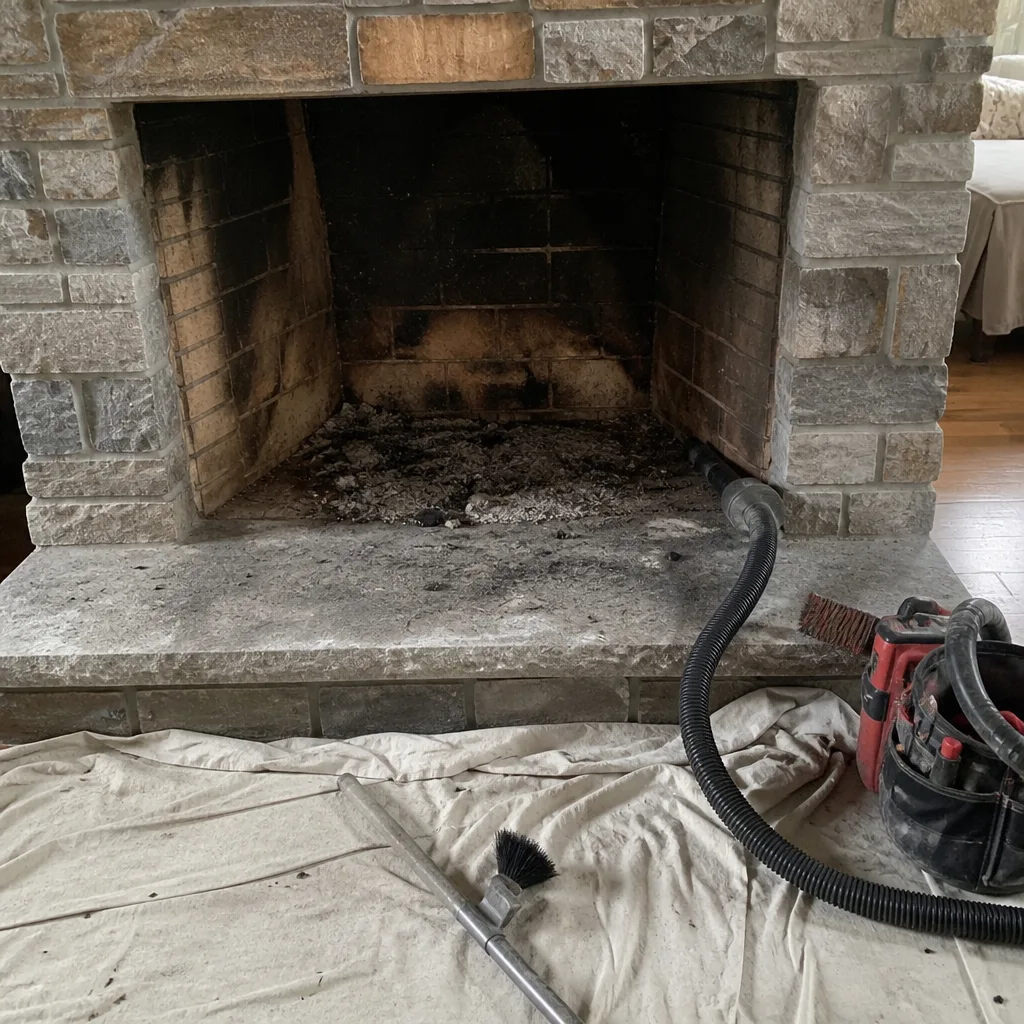 Before
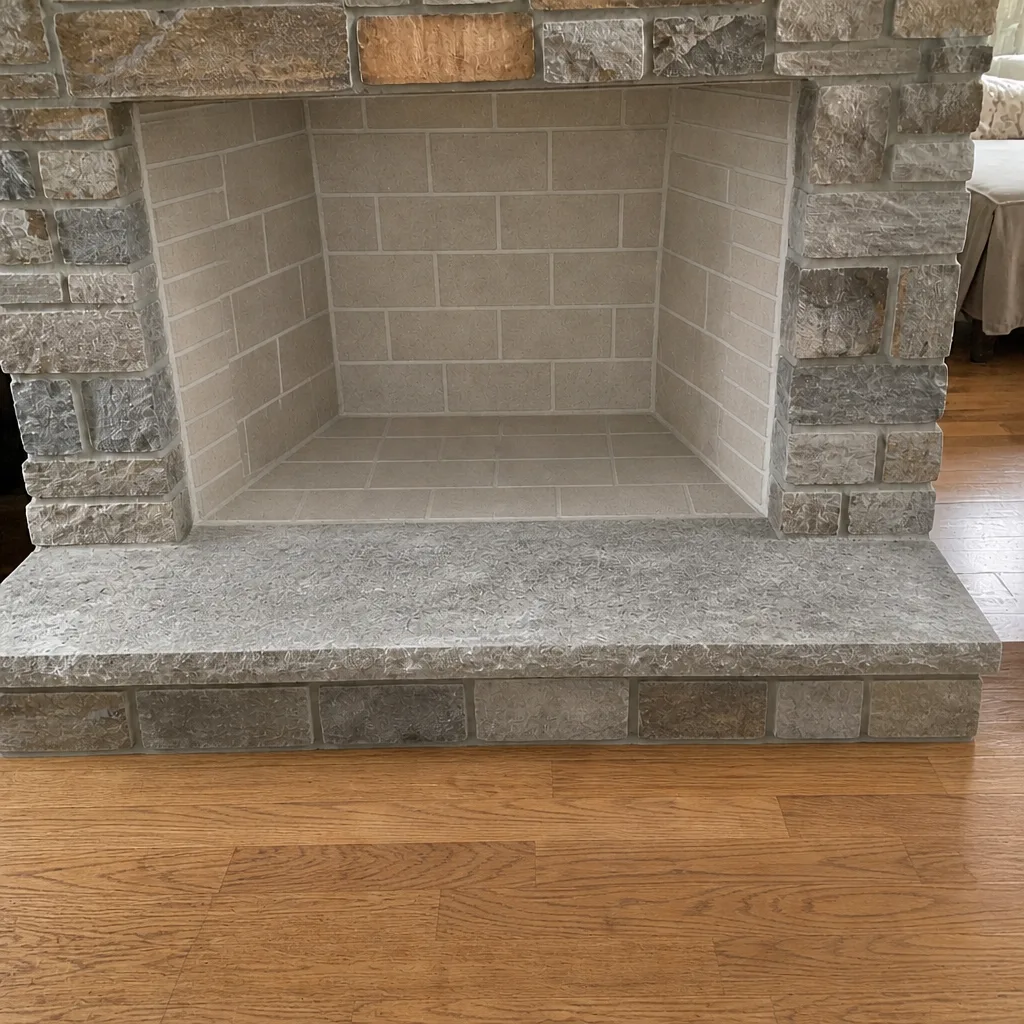 After
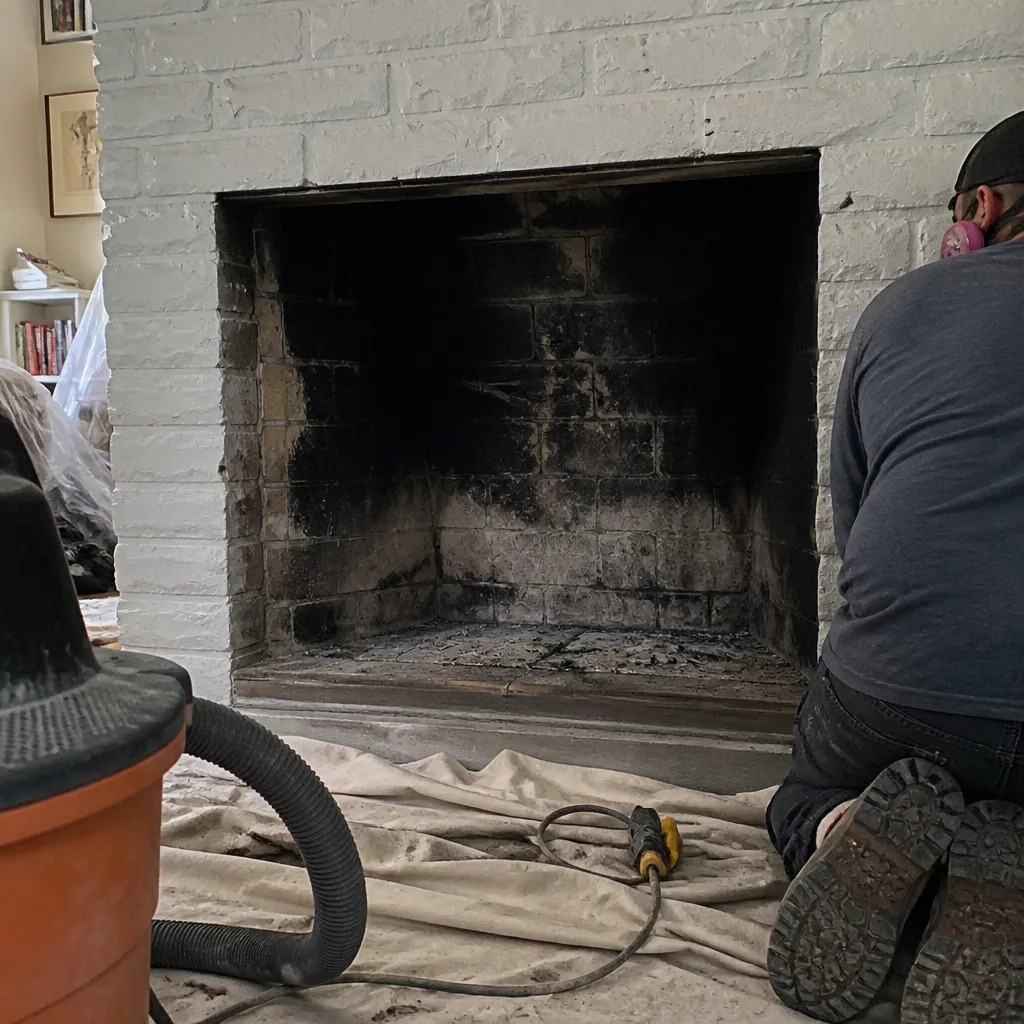 Before
 After
 Before
 After
When to Call a Professional
Call a chimney specialist and don’t light a fire in these situations: you smell smoke inside the room when the fireplace isn’t lit, you see water staining near the chimney inside, you find cracked or missing firebrick, the damper won’t move, or you haven’t had the chimney inspected in more than a year. Also call before you burn anything if you’ve just bought a home in Bellevue and don’t know the chimney’s history, or if you’re planning to use a wood stove or insert and need to confirm the liner can handle it. If you’ve had a chimney fire, even a small one, get the chimney inspected before the next fire; a fire can crack the liner in ways you can’t see. Bellevue Chimney Sweep offers free estimates in Bellevue. Call (844) 625-7326. We answer 24/7. Fast dispatch from 7am to 7pm, Sunday through Friday.
Frequently Asked Questions
Once a year, before the first fire of the season, is the standard for a home that burns regularly. If you burn often through the winter, or burn unseasoned wood, the flue can build creosote faster and may need a mid-season check. Annual sweeping paired with an inspection is the schedule that keeps you ahead of freeze-thaw damage and liner wear. Call (844) 625-7326 to book a sweep.
Creosote builds up in the flue, mortar joints erode from freeze-thaw damage, and small liner or crown problems get a full season to grow into structural repairs. The fire risk comes from creosote and a damaged liner, and the cost comes from repairs that get more involved the longer they wait. Skipping a season is rarely a savings over the long run. Call (844) 625-7326 for a free estimate.
You can check the cap, crown, flashing, firebox, and damper yourself with binoculars and a flashlight. The liner, smoke chamber, and hidden masonry joints require a camera inspection and a trained technician to assess. A standalone inspection gives you documented findings before any repair decision. Call (844) 625-7326 to schedule one.
It’s less about the neighborhood and more about the age and exposure of the house. Older homes with original clay tile liners carry the most liner risk, and any chimney shaded by trees or on a damp, north-facing side of the roof tends to hold moisture and grow moss. That combination is where we look hardest. Call (844) 625-7326 for a free estimate on your home.
A dated sweep and inspection record supports a chimney fire claim and shows the chimney was properly maintained; insurers increasingly look for that evidence. Keep your inspection report, camera images, and receipts for any repair work. Your policy terms control any claim, but the record is what supports your side of it. Call (844) 625-7326 to book the inspection that starts that record.
A sweep and inspection is priced per job by a written estimate, and the final price is set by what the written estimate says. The safest approach is to get the estimate agreed before booking so you know what the visit covers, including the inspection and camera images. Call (844) 625-7326 for a free estimate.
The Bottom Line
The items that matter most on a Bellevue chimney checklist are the ones most people skip: the smoke chamber, the mortar joints, and the liner. A yearly sweep and documented inspection is the foundation, and a simple year-over-year record of photos and reports is what lets you catch freeze-thaw damage and liner wear while they’re still small. Check the cap, crown, flashing, firebox, and damper yourself every fall; leave the liner and smoke chamber to a camera inspection. Your maintenance record also protects you on insurance and appliance warranty questions. A neglected chimney is a liability; a serviced one is a fireplace you can actually use.
Ready to get your chimney on a maintenance schedule? Call Bellevue Chimney Sweep at (844) 625-7326 for a free estimate. We answer 24/7. Fast dispatch from 7am to 7pm, Sunday through Friday. Our technicians have up to 11 years of experience, and we install DuraFlex liner systems and HeatShield resurfacing directly, so sweep, inspection, cap and crown, and repair all come from one specialist.
Written by the team at Bellevue Chimney Sweep.