
Last updated November 25, 2026
 Sweep & inspection
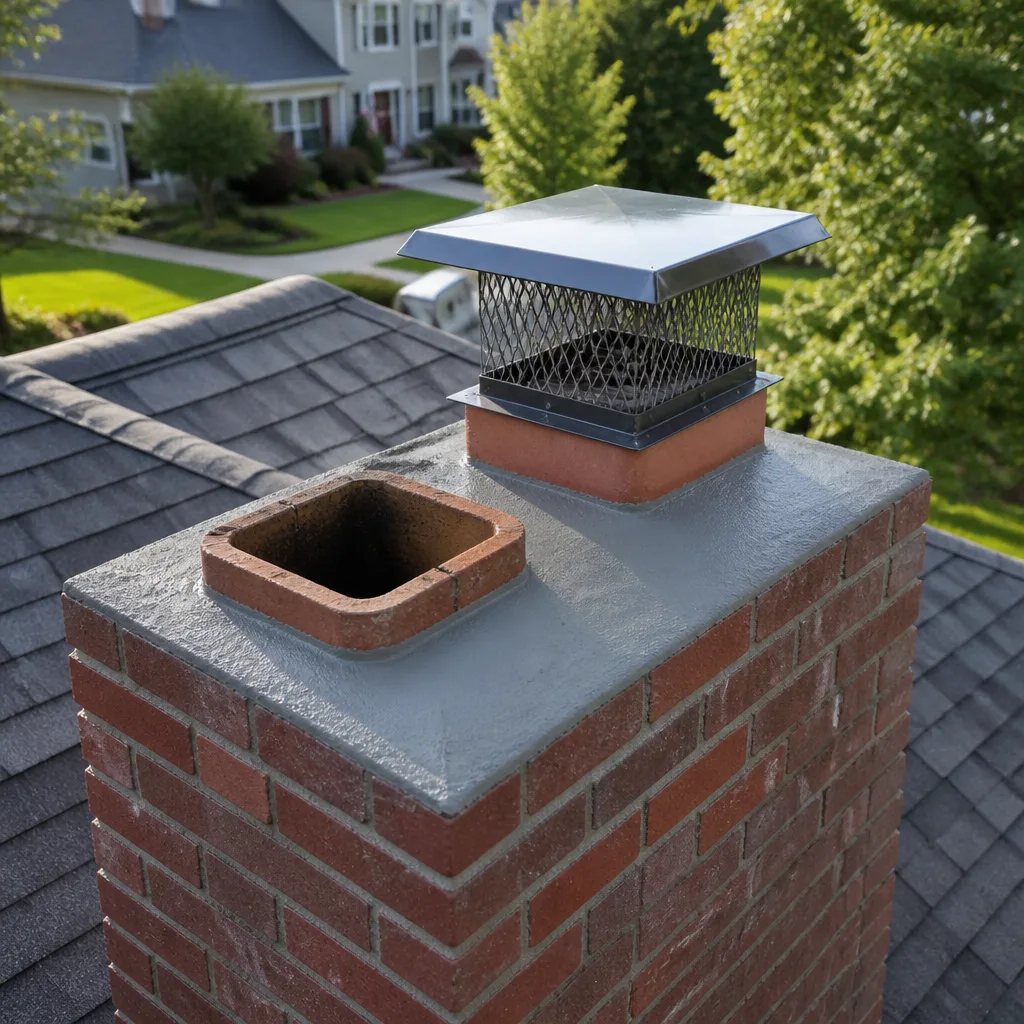
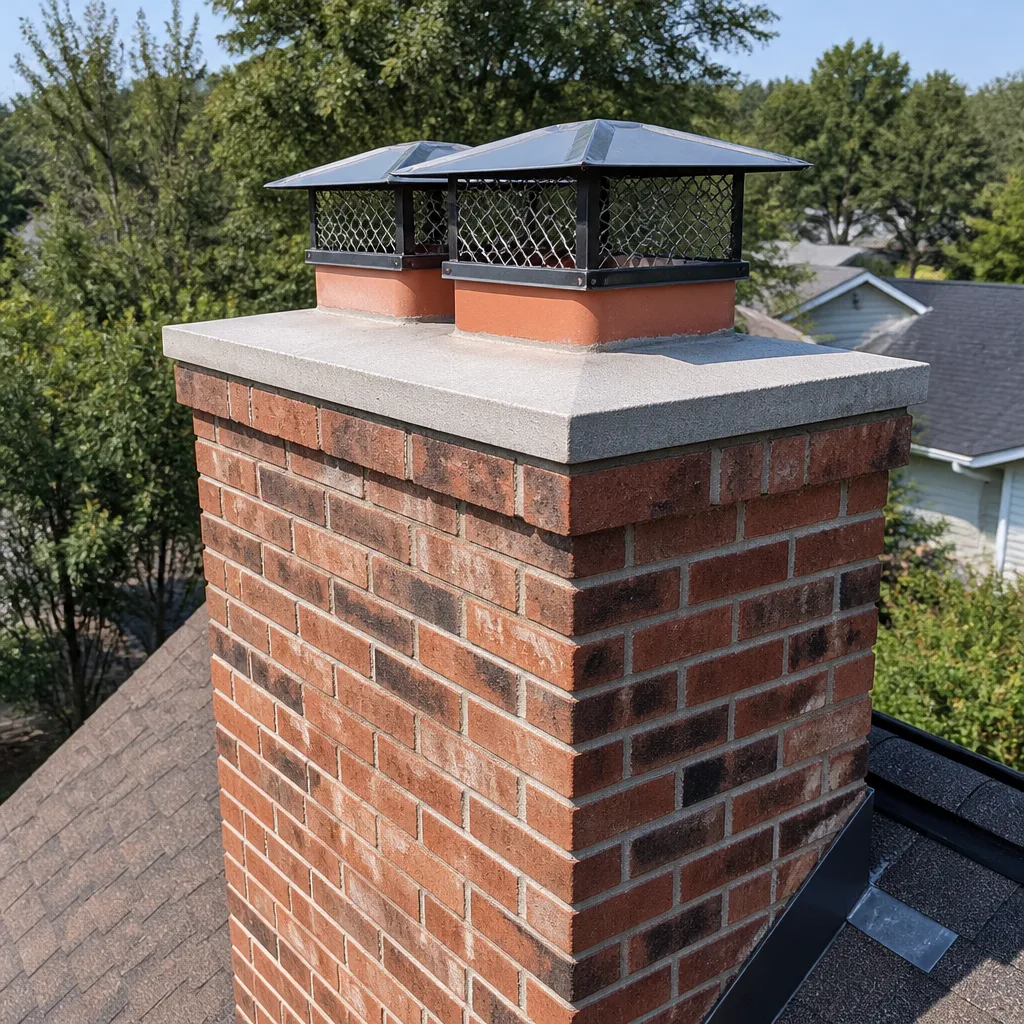 Caps & crowns
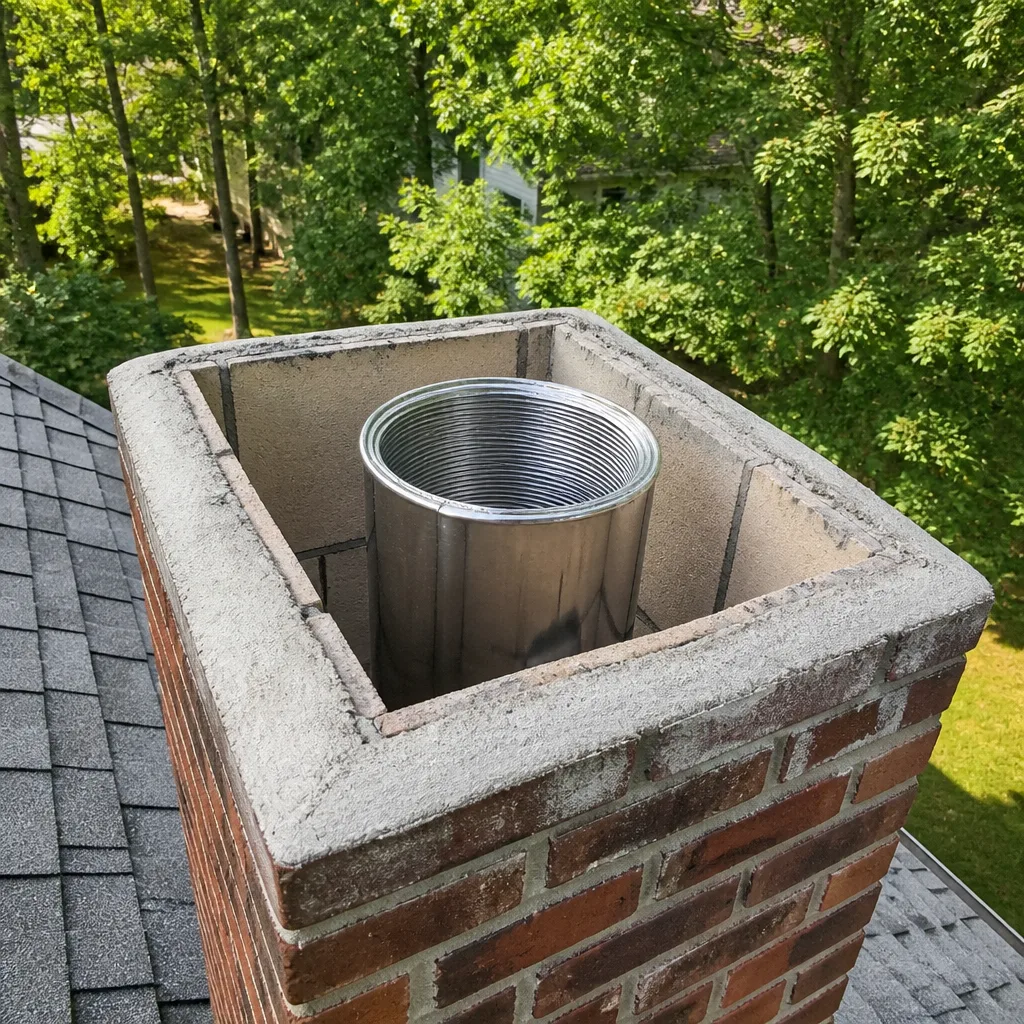 Flue relining
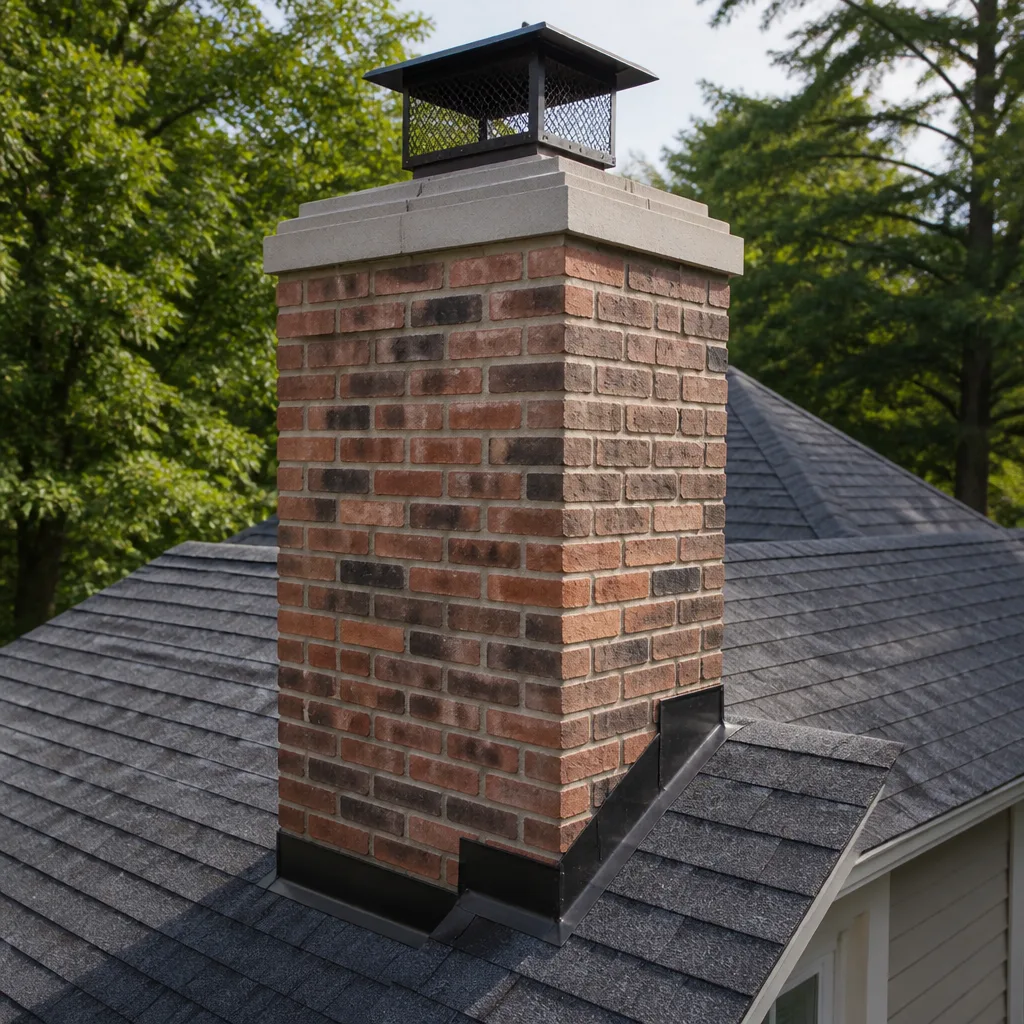 Masonry repair
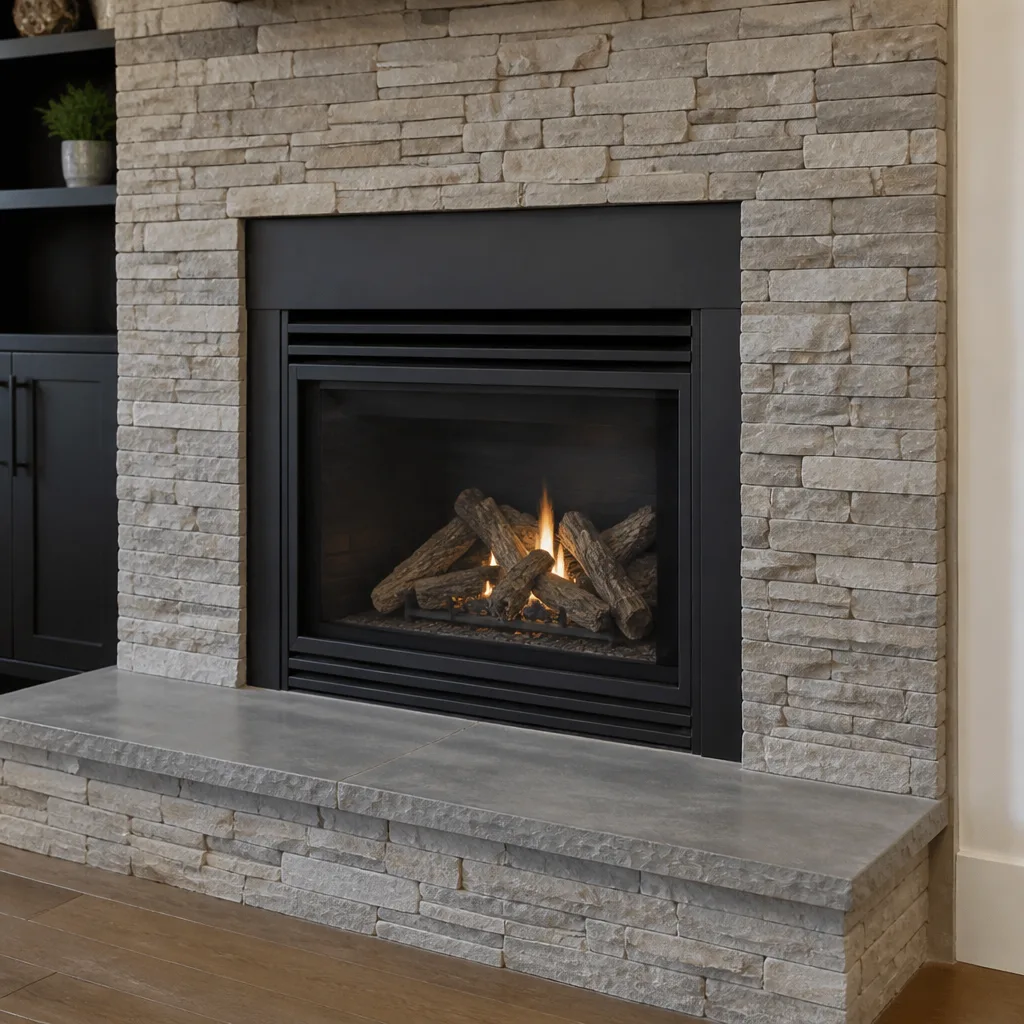 Gas fireplace service
Level 1 sweep and inspection to the NFPA 211 annual standard - flue, crown, cap, and flashing checked and photographed
Chimney sweep logs do not sweep chimneys. They loosen some creosote - which then falls where a brush and vacuum still have to collect it.
Chimney Sweep Troubleshooting in Bellevue: Common Problems and How to Fix Them
If your chimney smokes into the room on cold mornings but draws fine by afternoon, you likely don’t have a dirty chimney. You have a pressure imbalance, and sweeping it won’t help. That’s the part most online troubleshooting gets wrong: the visible symptom is rarely the actual problem. Smoke timing, odor patterns, and where soot collects tell you which of three systems is failing – draft, creosote, or structure. This guide walks Bellevue homeowners through reading those signals accurately, so you can describe the problem clearly and avoid paying for the wrong fix.
Quick Answer
Most chimney problems in Bellevue trace back to one of three root causes: draft failure (pressure or airflow), creosote buildup (fuel and burning habits), or structural failure (water intrusion, cracked flue, failed crown). Diagnosing which one you have depends on when the symptom appears – cold mornings, wet weather, or every fire – and only a documented inspection confirms it before repair work begins.
Styles & brands we work with
- Sweep & inspection
- Caps & crowns
- Flue relining
- Masonry repair
- Gas fireplace service
Table of Contents
- How do I know if my chimney has a draft problem?
- Why creosote buildup behaves differently in Bellevue’s climate
- How to spot a structural problem before it becomes expensive
- Cap damper vs. throat damper: why they fail the same way
- When a DIY fix works – and when you need a Level 2 inspection
- Symptom-to-cause reference table
- Smoke and odor troubleshooting: reading the timing
- What soot patterns tell you about your fire
How do I know if my chimney has a draft problem?
A draft problem shows itself as smoke that doesn’t go up the flue – but the timing of that smoke is the clue. If your fireplace backs up on a cold morning and settles once the day warms, that’s characteristic of a cold-flue draft reversal, which happens when the air inside the chimney is colder and heavier than the indoor air trying to rise through it. Bellevue’s cool mornings and mild shoulder seasons create this pattern regularly, particularly in homes where the chimney sits on an exterior wall.
If smoke rolls back every time you light a fire regardless of outside temperature, the cause is more likely a restriction: a blocked cap, a partially closed damper, a nest, or an undersized flue for the firebox opening. And if smoke backs up during wet weather specifically, the chimney may be losing draft because of a deteriorated top seal or a cap that’s no longer shedding water correctly.
Three quick checks that narrow it down
- Note the timing. Cold-morning-only smoke points to pressure. Every-fire smoke points to restriction. Wet-weather smoke points to the cap or crown.
- Open a nearby window slightly before lighting. If the smoke clears immediately, you have a pressure problem, not a blockage.
- Check flue-to-firebox sizing with a visual look. A firebox opening that’s noticeably wider than the flue is a mismatch, which Bellevue’s older residential stock has in greater proportion than newer construction.
None of these checks tell you what to fix – they tell you what to rule out. A cold-flue reversal is often corrected with a proper draft test and a damper adjustment; a restriction needs the obstruction removed safely; a top-seal problem needs a chimney cap & crown assessment. Getting the category right on the first call saves you from paying for a sweep you didn’t need.
Why creosote buildup behaves differently in Bellevue’s climate
Creosote forms when flue gases cool too quickly and condense on the liner interior. In Bellevue, the temperature swing between a mild evening and a cold morning creates exactly the conditions that accelerate that cooling – and it doesn’t take careless burning habits to hit Stage 2 creosote. Even an attentive homeowner can develop it when the fire burns cool for long stretches, which happens most often on damp days when wood is brought in from outside storage.
Stage 2 creosote is the glazed, hardened form – it doesn’t scrape off during a routine sweep and it carries meaningfully higher combustion risk than the soft Stage 1 type. That’s why a Bellevue fireplace that’s been used lightly for several seasons is not automatically safe just because the burn count is low. Cool, slow fires are the trend to watch, not fire volume.
Signs your creosote is past Stage 1
- Hard, shiny, or glassy deposits visible in the flue when you look up from the firebox
- A strong, sharp odor when the fire is lit – different from the smoky smell of a cold chimney
- A fire that struggles to reach temperature and smokes more than it used to
- Restricted draft even when the damper is fully open and no obstruction is visible
If those signs are present, routine sweeping won’t correct the situation – the flue needs an inspection to establish how much glazed creosote is present and whether any liner damage is underneath it. Bellevue’s wet winters mean the flue also pulls in moisture during the shoulder seasons, and moisture reacts with creosote in ways that compound the problem. The right call is documented inspection, not a second opinion from a sweep-only operation.
How to spot a structural problem before it becomes expensive
Structural problems in a chimney rarely start big. They start as water intrusion – at the crown, at the flashing, or through a cracked flue tile – and they progress into bigger repair work only when they’re left unaddressed through a wet cycle. In Bellevue, the damp season is long enough that a small defect gets plenty of time to spread.
The symptoms that most often indicate structural trouble rather than draft or creosote are consistent: interior stains on the wall or ceiling near the chimney, a musty smell in the room when the fireplace is unused, spalling brick (faces flaking off), or a whitish chalky deposit on exterior masonry. Any of those symptoms means you’re looking at water, not draft.
- Look at the flue top. A crown that’s cracked or shedding water is the most common source of interior moisture – visible with a rooftop check.
- Check the flashing. Where the chimney meets the roof, the seal is a common leak point even when the masonry itself looks fine.
- Inspect the firebox for cracked firebrick. Replacing firebrick ahead of the season is cheaper and less disruptive than repairing water-driven damage afterward.
- Look for a white, chalky deposit on the outside masonry. That’s called efflorescence and it means the brick is drawing and releasing water repeatedly.
When the flue liner itself has deteriorated, resurfacing is often a better route than full replacement. We install HeatShield for that purpose – a restorative resurfacing system for flue interiors that most sweep-only operations can’t perform. For flues that need full structural replacement, we install DuraFlex flexible liner systems directly, which keeps the most critical piece of the work with the specialist rather than passing it to a subcontractor.
Cap damper vs. throat damper: why they fail the same way
A cap damper (sometimes called a top-sealing damper) sits at the top of the flue and seals the chimney opening when the fireplace is closed. A throat damper sits just above the firebox, operated by a handle. When either one fails, the presentation is identical: the fire burns sluggishly, smoke tends to drift out at the firebox, and a cold draft comes down the chimney when the fireplace is off.
That’s why “the damper is stuck” is one of the most-misdiagnosed calls in our trade. A homeowner looking up into the firebox sees a throat damper and concludes it’s the problem – but the actual failure could be a cap damper that’s no longer sealing, which lets cold air down from the top and confuses the fire’s draft. From the living room, the symptoms are indistinguishable.
How to tell which one is failing
- Listen for the cap. A cap damper that’s failing usually makes a soft thud or rattle at the top when you operate the fire, because the plate isn’t seating properly.
- Feel for a draft above the fireplace. A constant cold-air stream entering the room with the fireplace closed points to a top-seal failure.
- Check the throat damper handle. If it moves freely and closes flush, the throat damper is doing its job – the problem is above it.
- Look for rust or debris from above. Small amounts of rust or organic debris falling into the firebox when the fire is off suggest a cap that’s no longer shedding water.
For a throat damper that won’t operate, a repair or replacement is usually straightforward. For a cap damper or damaged cap assembly, the fix involves rooftop work and correct installation – which is work worth having evaluated as part of a proper inspection. We install Olympia Chimney and Gelco components where they’re the right match for the flue, and we’ll tell you plainly whether a repair is warranted or whether the existing cap has a few more seasons in it.
When a DIY fix works – and when you need a Level 2 inspection
Some chimney issues are genuinely safe for a homeowner to handle. Others are not just difficult – they’re dangerous. The line is clearer than most people think, and it has more to do with what you can safely observe and reach than with how handy you are.
Cases where a careful DIY fix is reasonable
- A blocked cap from leaves or bird nesting. If you can safely and securely access the roof, a visual clear-out of the cap screen is reasonable. If roof access is not obvious and safe, leave it to a technician.
- A throat damper that’s stuck slightly open. The handle mechanism is usually reachable with a flashlight and basic tools, and a gentle adjustment is fine.
- A cold-flue reversal on cold mornings. Opening a window before lighting and pre-warming the flue with a small paper fire reduces the reversal until you can get the system properly assessed.
Cases that call for a Level 2 inspection before any cleaning
- Smoke or odor is present in more than one room. That suggests a flue cross-connection or a breach that should be camera-inspected.
- You’ve had a chimney fire in the past, even a small one. Any heat event requires an inspection to confirm the flue is intact.
- A liner has been replaced or resurfaced previously. Any past liner work should be documented and re-verified, especially after a winter in Bellevue.
- You see glazed Stage 2 creosote. Glazed deposits need a supervised assessment, not a routine sweep.
- The chimney sits on an exterior wall with a known leak. Water intrusion plus liner breach is a structural combination that needs documented evaluation.
A Level 2 inspection includes a camera run through the flue, a full photo report, and a written assessment you can keep. We offer that as a standalone service – you don’t need to book a sweep or agree to any repair to receive it. If you want a documented read of your chimney’s condition before committing to anything, the inspection is the honest starting point.
Symptom-to-cause reference table
Use this as a starting point when you call. The more precisely you describe the symptom and its timing, the faster a technician can narrow the cause over the phone. None of these rows is a diagnosis – they’re a way to describe what you see.
- Smoke only on cold mornings, clears by afternoon: Cold-flue draft reversal. Likely pressure-related, not blockage.
- Smoke on every fire regardless of weather: Flue restriction. Look for a blocked cap, obstruction, or damper not fully open.
- Smoke when the fire is fully lit, clear at start: Undersized flue for the firebox, or a stack effect issue in a particular house layout.
- Smoke during heavy rain or wet weather: Cap or crown shedding water incorrectly; top seal compromised.
- Persistent sharp odor when the fire is lit: Stage 2 creosote present. Needs inspection, not a routine sweep.
- Musty smell in the room with the fireplace unused: Structural moisture. Likely crown, flashing, or masonry.
- White chalky deposits on exterior masonry: Efflorescence. Water cycling through the brick.
- Sluggish fire, cold draft with fireplace off: Failed cap damper or failed throat damper; both present identically.
- Visible glazed deposits on the flue interior: Stage 2 creosote. Needs a Level 2 inspection.
- Soot on the mantel or front of the fireplace: Smoke escaping at the firebox; pressure issue or damper problem.
- Water staining on interior walls near the chimney: Structural – crown, flashing, or masonry breach.
This table covers the cases we see most often across Bellevue homes. If you can’t place your symptom cleanly, describe it in your own words to us when you call – the diagnosis usually narrows in the first two minutes.
Smoke and odor troubleshooting: reading the timing
Smoke and odor behave differently by cause, and timing is the discriminator. Smoke on cold mornings that clears by afternoon points one way. Smoke during rain points another. Persistent odor with the fireplace off points a third. Reading that correctly saves you a paid service call spent on the wrong problem.
The most common mistake is treating all three the same way. A homeowner who sees smoke backing into the room assumes the chimney is dirty and calls for a chimney sweep. If the actual cause is a pressure reversal, the sweep clears a flue that was already clean – and the smoke continues. If the actual cause is a failed top damper, the sweep clears nothing and the smoke continues. That’s the cost of a misdiagnosis that could have been avoided by matching the symptom to the root cause first.
A simple way to describe your symptom
- When does it happen? Every fire? Cold mornings only? Rainy days? Right after lighting?
- Where does the smoke go? Rolls out at the firebox? Pools at the mantel? Drifts into the room above?
- How long does it last? All fire long? Only until the flue warms?
- Does opening a window help? If yes, note that – it’s diagnostic.
- Is there a smell with the fireplace off? Sharp versus musty matters; sharp points toward creosote, musty toward moisture.
When you describe the problem this way, we can usually tell you whether it’s a draft issue, a cleaning issue, or a structural issue before you book. That’s the point of the troubleshooting framework – not to replace inspection, but to route you correctly before you commit to a service.
What soot patterns tell you about your fire
Soot doesn’t just collect; it shows a pattern. Where it lands most heavily is diagnostic. Soot concentrated on the firebox face and mantel almost always means smoke is escaping from the firebox opening itself, which points to a draft problem or a firebox that’s too large for its flue. Soot concentrated deeper in the flue, visible only from the top or on a camera, points to incomplete combustion – a sign of wet wood, a cold fire, or a flue that’s not reaching temperature.
Both patterns happen in Bellevue, and they call for different fixes. A firebox-escaping pattern needs pressure and draft correction, not more sweeping. A deep-flue pattern needs a hard look at burning habits and wood storage, plus a flue inspection to confirm how much deposit has built up. Neither fix is a patch job; both are what we mean when we say built to code and built to last.
One habit worth changing regardless of pattern: bring wood inside only a day or two before burning, rather than storing it against the house through the damp season. That single change reduces moisture load in the firebox significantly, which reduces the deep-flue soot pattern. For the firebox itself, existing surface soot is best left to a proper sweep – cleaning it during an active fire season without a real inspection can push deposits around without removing the underlying cause. If the fireplace itself needs attention beyond soot cleaning, that’s fireplace repair territory rather than sweep work.
Common Mistakes to Avoid
- Sweeping before diagnosing. A sweep clears a flue; it doesn’t correct a pressure reversal, a failed top damper, or a structural leak. Getting the cause right first means you only pay for the service that solves the problem.
- Burning wet wood to “save” wood. Wood brought in from outside storage on a Bellevue damp day carries moisture that cools the fire and accelerates creosote. Dry wood burns hot and produces less deposit – that’s the whole of it.
- Assuming a low burn count means a safe chimney. Stage 2 creosote forms from cool, slow fires as readily as from frequent ones. Yours can be low-use and still warrant inspection.
- Closing a top damper before the fire is fully out. Residual heat and embers driven into a closed top seal cause smoke damage to the cap area and, over a season, to the cap assembly itself.
- Skipping the inspection because the fire “looks fine right now.” A structurally sound fire today can be a structural problem in six months. Documented inspection gives you a baseline to compare against.
- Treating a small crown crack as cosmetic. Small cracks in the crown at the top of a Bellevue chimney let water into the masonry over a wet season, and the repair cost grows with each cycle.
- Hiring a sweep who doesn’t offer inspection as a standalone service. If the only path to a documented assessment is agreeing to a repair, you’re getting a sales call, not an inspection. We offer standalone inspection precisely so you can get clarity before any commitment.
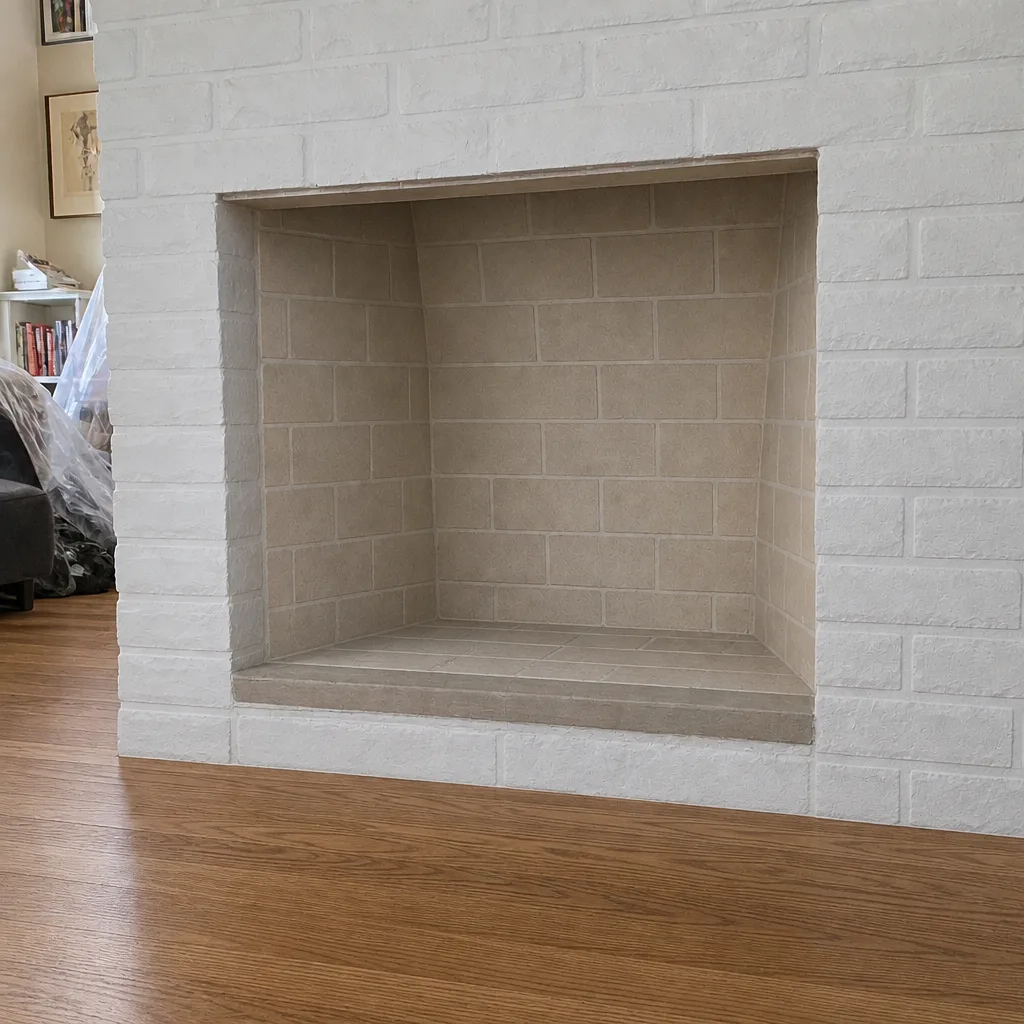
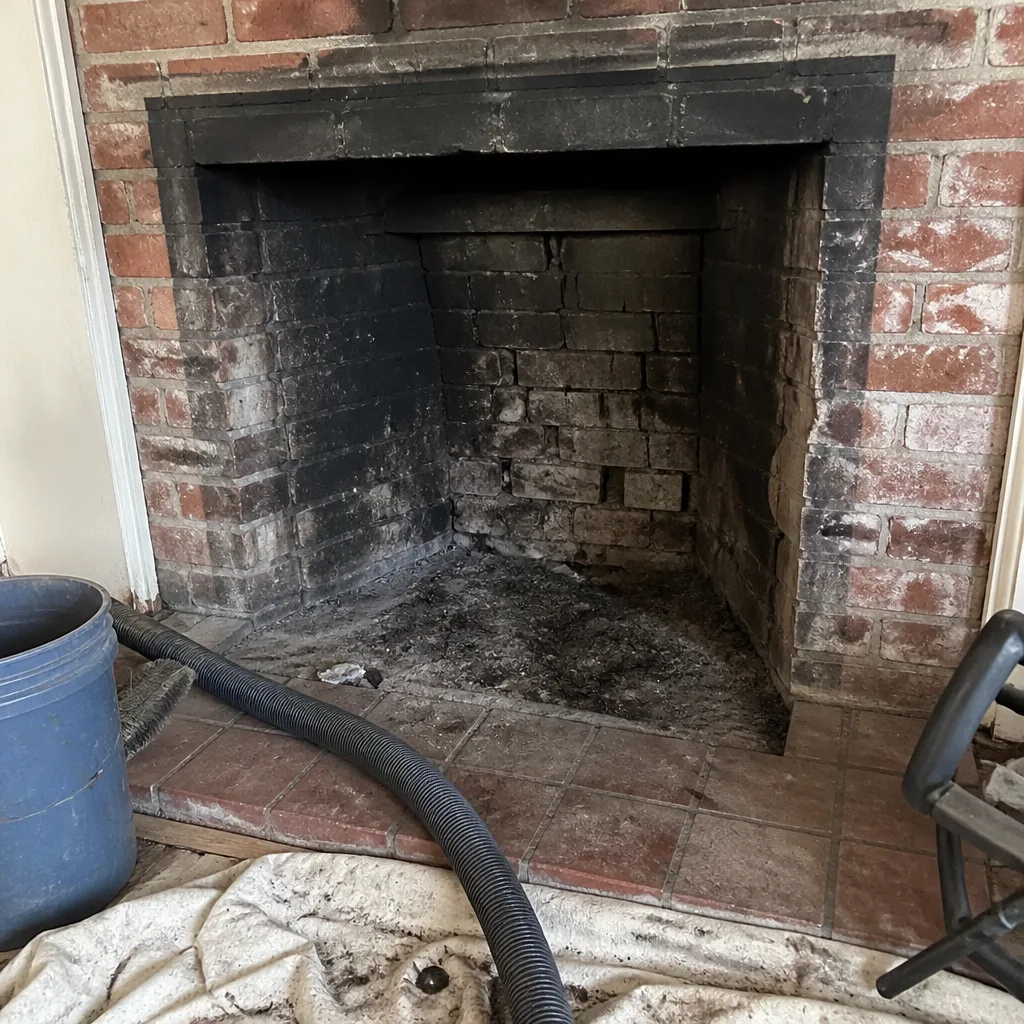
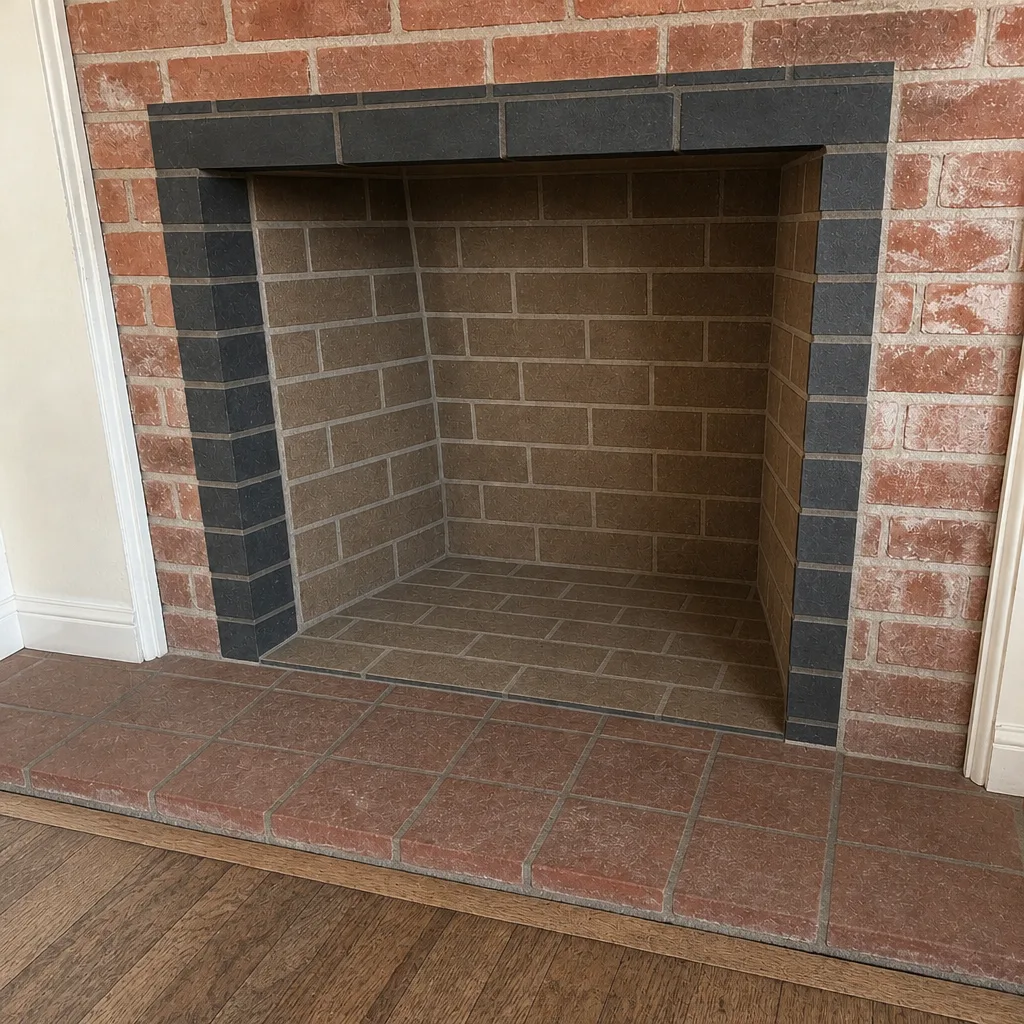
See the difference
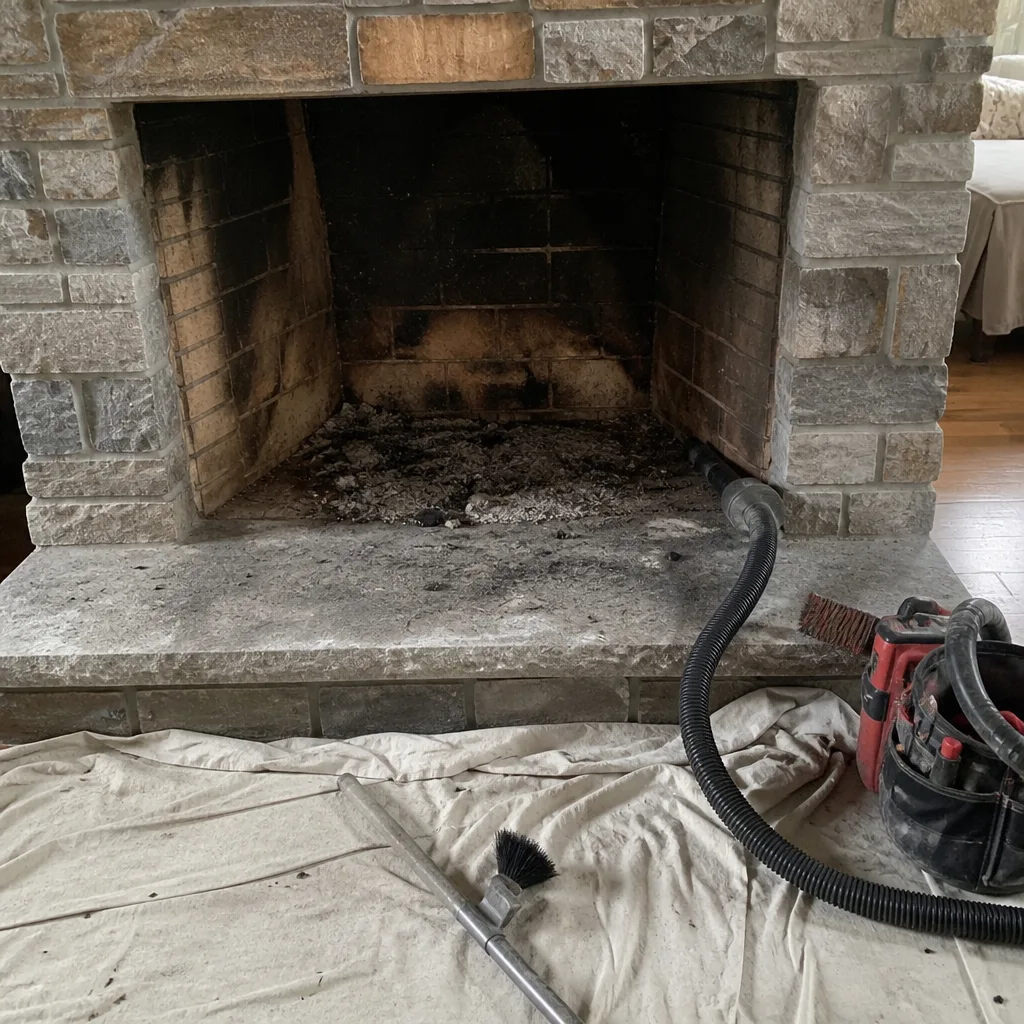 Before
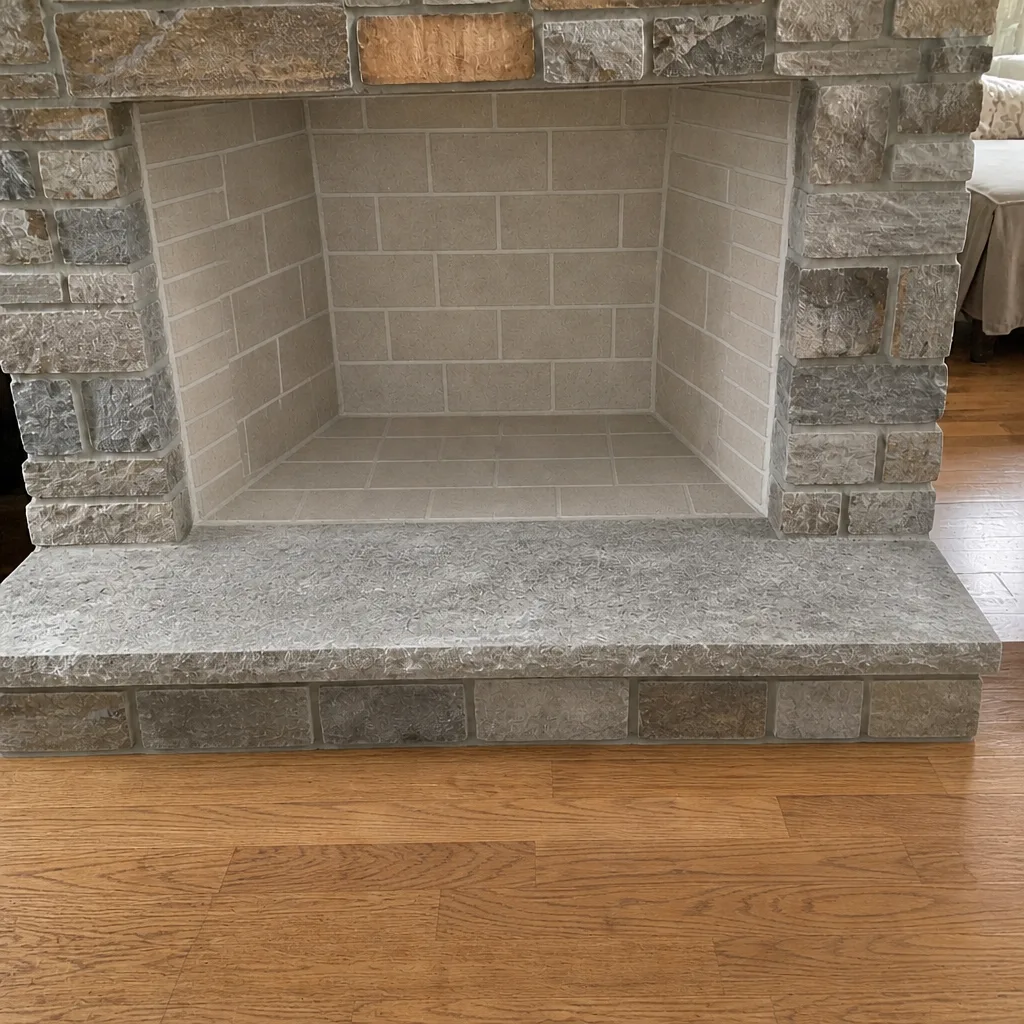 After
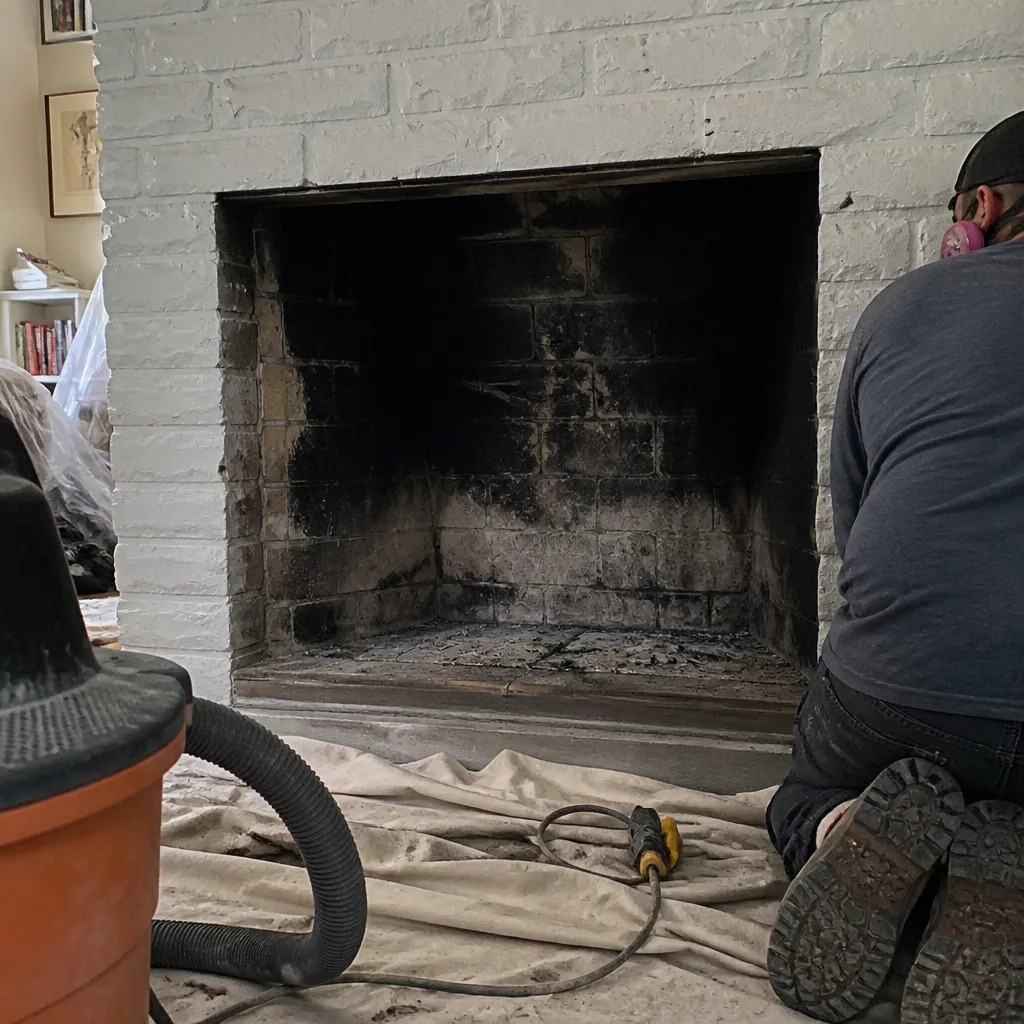 Before
 After
 Before
 After
When to Call a Professional
Call a professional if any of these apply: smoke enters the room and the timing pattern doesn’t fit a known cause; you’ve had a chimney fire or suspect one; you see glazed creosote in the flue; the fireplace struggles to burn even with dry, well-stocked wood; you notice water staining on walls near the chimney; or you simply can’t remember the last documented inspection of the system.
The safety case is straightforward. Creosote buildup is the fuel for chimney fires, and a blocked or breached flue is a carbon monoxide path into the living space. That’s not a scare line – it’s the reason professional inspection exists as its own service rather than an upsell attached to a sweep.
Bellevue Chimney Sweep offers free estimates in Bellevue. Call (844) 625-7326. We answer 24/7. Fast dispatch from 7am to 7pm, Sunday through Friday. Our technicians have up to 11 years of experience, and we tell you exactly what we find – including when the right answer is to leave a chimney alone for another season. Nothing is recommended without camera evidence you can see for yourself.
Frequently Asked Questions
Pricing is set per job by a written estimate after we assess the chimney, so the number depends on flue configuration, access, and how much buildup is present. Call (844) 625-7326 for an exact quote – estimates are free.
Only if the inspection shows liner damage or deterioration that repair can’t safely address, and you should see the camera evidence before deciding. HeatShield resurfacing is often the right answer for a deteriorated liner where full replacement isn’t necessary. If a full liner is warranted, we install DuraFlex flexible liner systems directly – no subcontracting on that piece. Call (844) 625-7326 for a documented assessment.
Most homes benefit from an annual inspection, and sweeping is done when the inspection shows deposits thick enough to warrant it. Bellevue’s damp shoulder seasons accelerate creosote formation, so a low-use fireplace can still need attention in a shorter window than the burn count suggests.
Creosote keeps building, and the risk of a chimney fire rises with it. A breach in the flue also creates a path for combustion gases into the home, which is why every inspection ends with camera evidence rather than a verbal report. Call (844) 625-7326 to schedule an assessment.
That’s the signature of a cold-flue draft reversal – the air in the chimney is colder than the room air trying to flow up through it. Opening a window before lighting helps temporarily, but the underlying imbalance should be diagnosed with an inspection before assuming it’s fixed.
A throat damper with a stuck handle is often an easy adjustment with basic tools. A cap damper that won’t seal is a rooftop job – those present identically to a throat issue from the living room, so if the handle moves freely, get the top checked by a technician.
Yes. We work across five service lines – sweep, inspection, cap and crown, chimney repair, and fireplace repair – and we work with six professional-grade product lines: DuraFlex, HeatShield, Gelco, Olympia Chimney, Famco, and Copperfield. One specialist for the full system means no juggling contractors. Call (844) 625-7326 for a free estimate.
The Bottom Line
Most Bellevue chimney problems are one of three things: draft, creosote, or structure. Reading the symptom timing – cold mornings, every fire, or wet weather – tells you which category you’re dealing with long before a technician arrives. Get the category right, and the fix is usually smaller and faster than the misdiagnosed alternative would have been. Get it wrong, and you pay for a sweep that doesn’t solve the problem. A neglected chimney is a liability. A serviced one is a fireplace you can actually use. Call (844) 625-7326 for a free estimate, and start with a documented inspection if you’re not sure where your system stands.
Written by the team at Bellevue Chimney Sweep.