
Last updated November 25, 2026
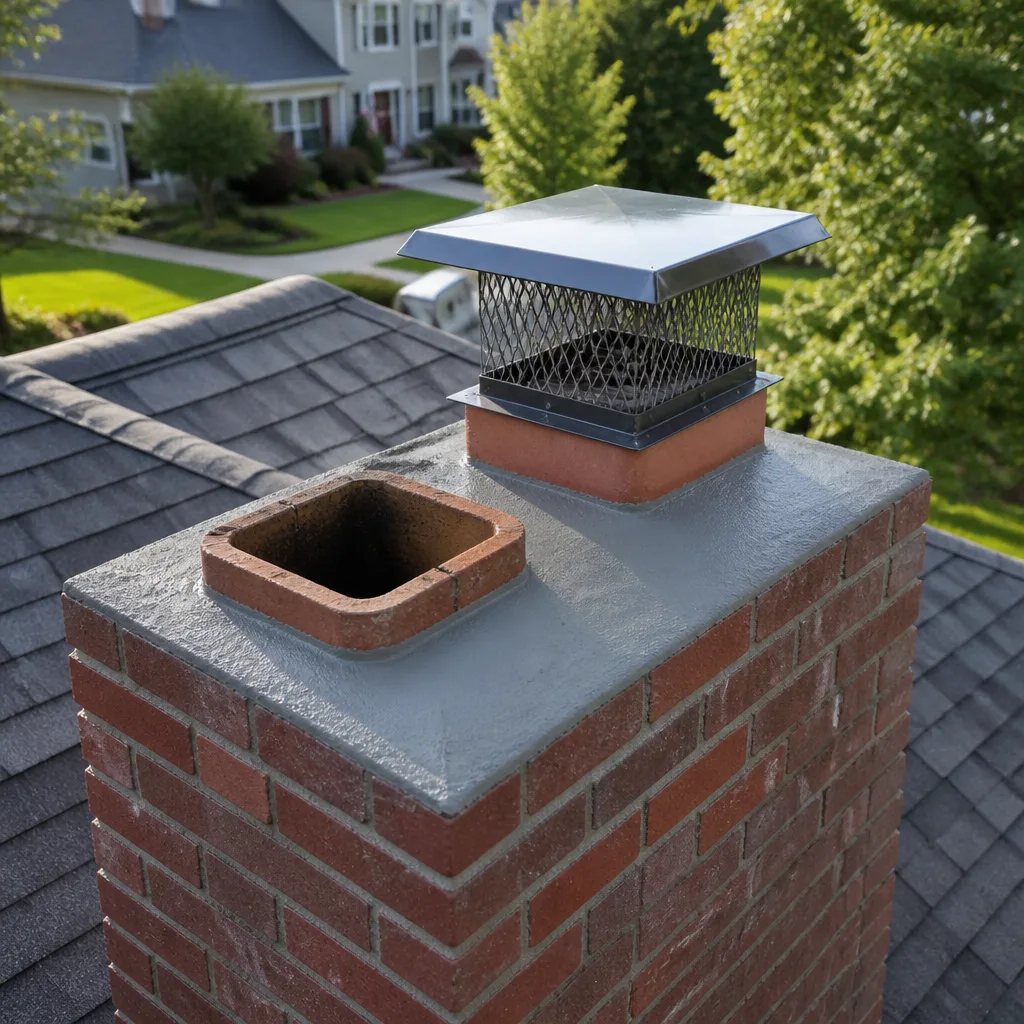 Sweep & inspection
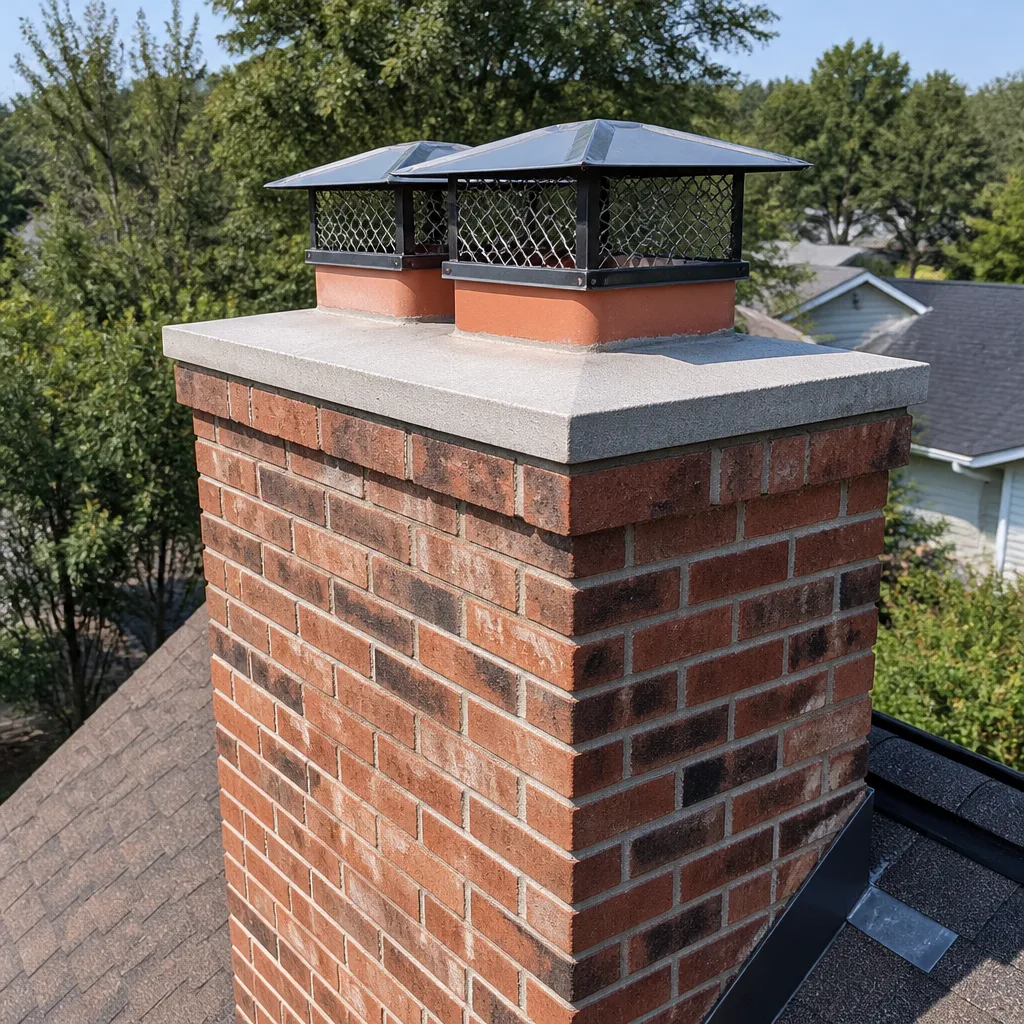 Caps & crowns
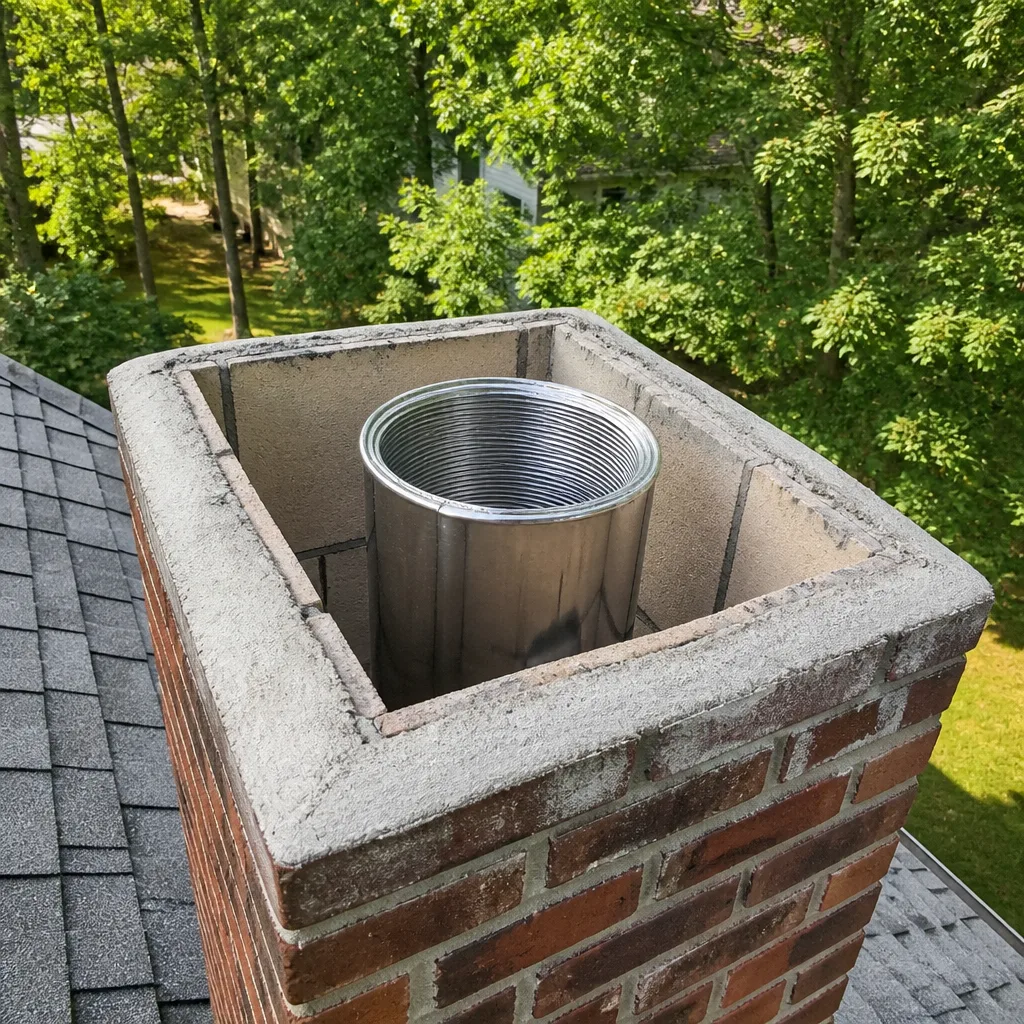 Flue relining
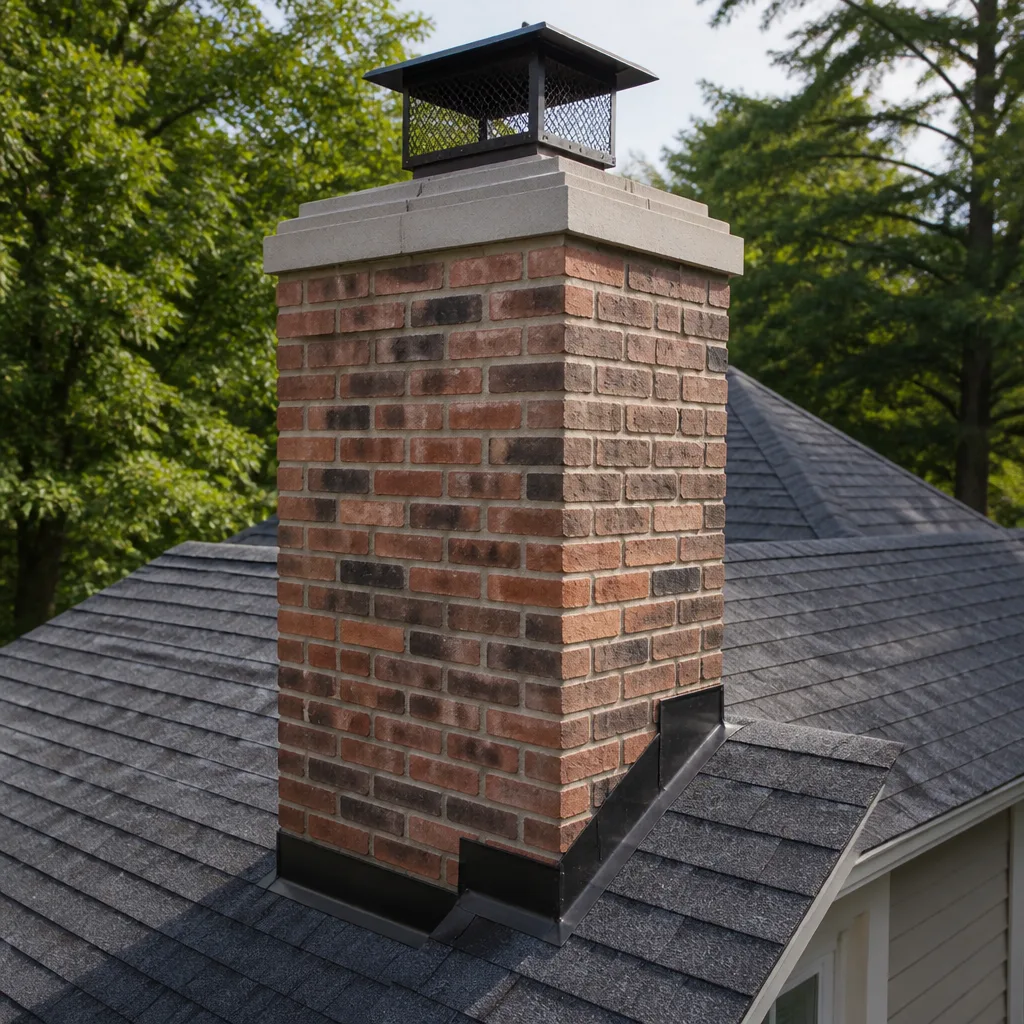 Masonry repair
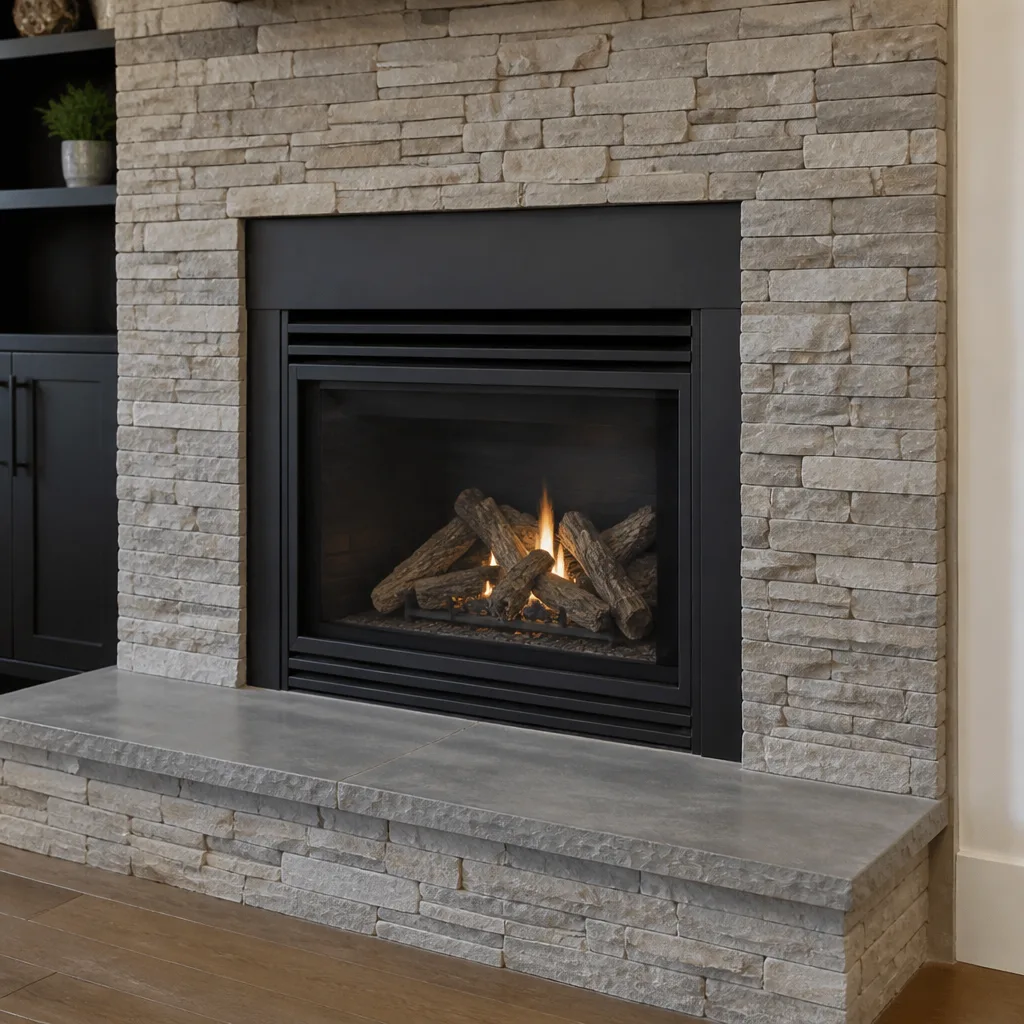 Gas fireplace service
Level 1 sweep and inspection to the NFPA 211 annual standard - flue, crown, cap, and flashing checked and photographed
Chimney sweep logs do not sweep chimneys. They loosen some creosote - which then falls where a brush and vacuum still have to collect it.
Seasonal Chimney Cleaning Care for Bellevue: Year-Round Homeowner’s Guide
The chimney damage that shows up in October almost always started in April, when moisture that entered over winter was left to work on mortar joints and liner seals through six months of heat expansion. Most homeowners treat chimney care as a single autumn task: call someone, get it swept, light the first fire. That habit misses the seasons that actually determine whether your system survives the next heating season intact. Bellevue’s wet winters, warm dry summers, and long shoulder seasons put different stresses on a chimney in each quarter of the year. This guide walks through all four, tells you what to look for and when to schedule work, and explains why the calendar matters as much as the cleaning itself.
Quick Answer
Seasonal chimney care in Bellevue means treating the system as a four-season responsibility: inspect for winter moisture damage in spring, handle liner, crown, and waterproofing work in the dry summer months, clean before you inspect in fall, and monitor draft, odor, and deposit buildup through winter. The work that protects your chimney most happens between April and September, not in the week before your first fire.
Styles & brands we work with
- Sweep & inspection
- Caps & crowns
- Flue relining
- Masonry repair
- Gas fireplace service
Table of Contents
- Why Bellevue’s Climate Demands a Seasonal Approach
- Spring: Reading the Damage Winter Left Behind
- Summer: The Repair Window That Actually Matters
- Fall: Cleaning Before Inspection, in That Order
- Winter: Mid-Season Monitoring During Heavy Burn Periods
- How Burn Frequency and Wood Moisture Drive Deposit Buildup
- Common Mistakes to Avoid
- When to Call a Professional
Why Bellevue’s Climate Demands a Seasonal Approach
A chimney in Bellevue lives through a very different year than one in a dry inland climate. Western Washington’s long wet season saturates masonry and seals, then hands off to a warm, dry summer that pulls that moisture back out through evaporation. That wet-dry cycle repeats every year, and each cycle works on the same vulnerable points: mortar joints, the crown, the flashing, and the seal between the liner and the flue. A chimney that’s never inspected between April and September accumulates freeze-thaw and moisture damage quietly while nobody’s looking.
Bellevue’s housing stock adds another layer. Many homes here were built in the mid-to-late twentieth century, which means a lot of original masonry chimneys are now at the age where hairline cracks in the crown and softened mortar become active leaks. Newer construction often uses factory-built metal systems with their own failure points. Either way, the seasonal rhythm is the same: winter stress, spring evidence, summer repair, fall preparation.
The common advice to “get it cleaned before winter” is not wrong, but it’s incomplete. Cleaning is the maintenance layer. The seasonal inspection and repair cycle is what determines whether the chimney is still sound when fall arrives. Here’s what each season asks of you.
Spring: Reading the Damage Winter Left Behind
Spring is when you find out what six months of rain and temperature swings did to the chimney. After the last stretch of cold nights and wet days, walk outside and look at the chimney from ground level before you do anything else. You’re looking for moisture evidence, not cosmetic wear.
Specific things to check for:
- Efflorescence: a white, powdery staining on the brick or mortar. It’s salt pushed to the surface as moisture migrates through masonry and evaporates. Efflorescence on its own doesn’t mean failure, but recurring patterns in the same spots point to where water is entering.
- Spalling: the face of a brick flaking, peeling, or popping off in layers. This is a stronger signal. When water gets inside brick and expands during freeze-thaw, the surface gives way. Spalling near the crown or along a chimney shoulder usually means active moisture intrusion that needs repair before summer.
- Cracked or crumbling mortar joints: run a finger along a joint if you can reach it safely from the ground. Soft, sandy, or hollowed joints mean the mortar is failing and repointing may be needed.
- Crown cracks: look at the sloped concrete cap on top of the chimney. Any crack wider than a hairline, or any separation from the flue, admits water straight into the structure.
- Rust stains or white streaks on the firebox or damper, visible from inside: moisture is reaching the interior, and this is worth a professional look.
Spring is also the right time to schedule an inspection, because a professional can confirm what the visible evidence suggests before summer repair season gets busy. Our technicians have up to 11 years of experience reading exactly this kind of moisture pattern on Bellevue masonry, and the chimney inspection is available on its own if you just want a documented assessment without committing to any repair work.
Summer: The Repair Window That Actually Matters
Summer is when chimney repair work should happen, and it’s the season most homeowners skip. This is not a marketing convenience. It’s a materials fact. The two big summer categories are structural repair and waterproofing, and both benefit from Bellevue’s dry, warm conditions.
Why dry conditions matter for repair work
- Masonry repair and crown work cure more predictably when moisture isn’t actively pushing through the structure. Concrete crown repairs and mortar repointing set best in dry, moderate weather.
- Waterproofing sealers need a dry substrate to bond properly. Applied to damp masonry, they trap moisture rather than repel it, and the season’s work is wasted.
- Liner relining is more reliable in summer because the flue has dried out. A wet flue complicates installation and inspection of the new liner seal.
When relining is the right summer project
If your spring inspection found a deteriorated flue liner, summer is when to address it. Two paths matter here. A full relining with a flexible stainless system handles a flue whose original liner has failed or is incompatible with a newer appliance. We install DuraFlex liner systems directly, so the most structurally critical part of the job isn’t handed off to a subcontractor. For flues where the liner is deteriorated but the structure is still sound, HeatShield resurfacing can restore the interior without full replacement, which is a specialized capability most sweep-only operations don’t offer.
Summer is also crown and waterproofing season
A cracked crown is the single most common entry point for water in Bellevue. Summer is the right time to repair or rebuild it and then apply a breathable waterproofing treatment to the masonry. That combined work is what breaks the wet-dry cycle that damages the chimney year after year. It also protects any new liner you’ve just installed. Our chimney cap & crown work pairs naturally with summer relining, and doing both in the same dry window is far better than spreading them across two seasons.
Fall: Cleaning Before Inspection, in That Order
Here’s a sequence most homeowners get backwards: cleaning should happen before the inspection, not after. The reason is straightforward. An inspection is only as good as the view it provides, and a flue packed with a season’s worth of creosote and soot obscures the liner surface, the joints, and the draft path. Sweep first, inspect second, and the technician can see the actual condition of the system rather than guessing at what’s under the deposit.
Here’s the proper pre-season sequence for a Bellevue home:
- Book the clean early. Fall is the busy window. Getting on the schedule before the first cold snap means the work is done and you’re not waiting on a slot.
- Sweep the flue. A proper chimney sweep removes soot and creosote and clears the smoke path so the inspection is accurate.
- Inspect after the sweep. Now the technician can examine the liner, the firebox, the damper, the crown, and the cap with a clear view and document what’s found.
- Confirm the cap and crown are intact. The cap keeps rain and animals out; the crown sheds water from the top. Both should be checked every fall.
- Test the draft with a small fire before the season starts, so any issue surfaces while the weather is still mild.
The fall inspection is also where you get the honest picture before winter. A neglected chimney is a liability; a serviced one is a fireplace you can actually use. Our Bellevue Chimney Sweep team documents what’s found and tells you plainly what can wait and what can’t.
Winter: Mid-Season Monitoring During Heavy Burn Periods
Once the burn season starts, your job shifts from scheduling to noticing. A chimney under heavy use through winter is where creosote stages and liner stress develop, and the earlier signs are subtle. Paying attention to two things will tell you when a mid-season check makes sense.
Draft and smoke behavior
If the fire starts smoking back into the room, if the draft feels sluggish where it used to pull well, or if you’re opening a window to get a fire going, something has changed. It could be a partially blocked flue, a build-up that’s narrowing the passage, or a cap that’s become obstructed. None of those are things to push through.
Odor changes
A sharp, acrid smell on a mild day, or a strong creosote odor when the chimney isn’t in use, can signal creosote accumulation. Creosote comes in stages, from a light soot to a sticky, glazed deposit that’s harder to remove and more combustible. If you smell it, get it checked before you burn again.
What to watch for during heavy burn periods
- Visible smoke in the room when the fire is established
- A draft that used to be strong and now feels weak
- Creosote odor when the fireplace is cold
- Rust or moisture stains appearing on the firebox or damper
- Animals or nesting material visible near the cap
If any of those show up, a mid-season inspection is worth it. The concern isn’t hypothetical: creosote buildup and blocked flues are the conditions behind chimney fires and carbon monoxide risk, and catching them early is the point. When a check turns up a liner problem, we handle the relining with DuraFlex or resurfacing with HeatShield once the burn season winds down. Any fireplace component that’s failed, like a damaged damper or firebox panel, falls under fireplace repair and should be fixed before the next fire, not after.
How Burn Frequency and Wood Moisture Drive Deposit Buildup
How much creosote your chimney accumulates depends less on the chimney and more on how you burn. Two variables dominate: how often you burn, and how wet your wood is.
Burn frequency sets the total volume of deposit. A fireplace used a few times a month through winter builds up far less than one burning daily. But frequency alone doesn’t tell you the deposit type. That’s driven by wood moisture.
Wood moisture is the bigger factor in deposit quality. Wet wood burns cool and inefficiently, producing more smoke, and that smoke condenses on a cooler flue as creosote. Seasoned wood burns hotter and cleaner, leaving less behind. In Western Washington, where wood often sits in damp conditions, getting firewood properly dry before burning is one of the most effective things a homeowner can do. A moisture meter takes the guesswork out of it.
The seasonal rhythm follows:
- Fall and early winter: lower burn frequency but often wetter wood as the season starts. Cool flues condense more smoke.
- Mid-winter: heaviest burn period, and where the bulk of annual deposit forms. This is when mid-season monitoring matters.
- Late winter and spring: burn tapers off. The question shifts from buildup to moisture, because the wet season is now working on the chimney’s exterior.
- Summer: no burning, so no new deposit, which is exactly why inspection and repair work belongs here. The flue is stable and accessible.
Our technicians have up to 11 years of experience advising Bellevue homeowners on burn habits and wood dryness, and we’ll tell you plainly when the buildup justifies another sweep and when it doesn’t.
Common Mistakes to Avoid
- Inspecting before sweeping. If the flue is still loaded with soot and creosote, the inspection is guessing at what’s underneath. Clean first, inspect second.
- Skipping the spring moisture check. Bellevue’s wet winters leave evidence that’s easiest to read in spring. Ignore the efflorescence and spalling, and the damage compounds through summer.
- Doing repairs in the wet season. Crown work, repointing, and waterproofing applied to damp masonry don’t perform. Wait for the dry summer window and let the materials cure properly.
- Burning wet wood because it’s what you have. Unseasoned wood is a major creosote source. If your wood isn’t dry, the deposit builds faster than the burn frequency suggests.
- Assuming a clean sweep means a sound chimney. Cleaning and inspection are separate jobs. A swept flue can still have a cracked crown, a failing liner, or a damaged cap that only inspection reveals.
- Ignoring a draft change mid-season. A fire that suddenly smokes back or drafts poorly is telling you something has changed. Don’t wait until spring to find out what.
- Treating the cap as optional. In a climate with heavy rain and wildlife, a missing or damaged cap lets water and animals into the flue, and that’s a spring repair waiting to happen.
When to Call a Professional
Some chimney work is annual maintenance and some is a call. The line to draw is around anything structural or anything involving potential danger. Call a professional if you see spalling brick, a cracked crown, a draft that’s changed, a smell of creosote when the chimney is cold, or visible moisture inside the firebox. Call before you burn again if a fire smokes into the room or if you suspect the liner has been compromised. Any sign of a deteriorated liner, cracked flue tile, or failed seal is a relining or resurfacing question that needs a trained eye and documentation, not a suspicion. And any time the exterior masonry shows active water damage, the sooner it’s assessed the better. Bellevue Chimney Sweep offers free estimates in Bellevue – call (844) 625-7326. Estimates are free, the sweep is quoted flat before we book, and nothing is recommended without camera evidence you can see for yourself.
Frequently Asked Questions
Most Bellevue homeowners should have the chimney swept about once a year, and more often if the fireplace sees heavy use through winter. Annual sweeping pairs naturally with the fall inspection. If you burn consistently and use wood that isn’t fully seasoned, a mid-season check isn’t a bad idea. Call (844) 625-7326 for a flat quote, and estimates are free.
Skipping a year doesn’t cause a problem every time, but it lets two risks build at once: creosote accumulation on the flue walls, and moisture damage to the masonry from the rainy season. Creosote that’s left to accumulate is the condition behind chimney fires, and unaddressed moisture weakens mortar and the crown. Neither is visible until it’s checked. If it’s been a while, an inspection is the right first step. Call (844) 625-7326 and we’ll get you scheduled.
Not necessarily. Whether you need a full relining or a resurfacing job depends on what the inspection finds inside the flue. A deteriorated liner that’s structurally sound can sometimes be restored with HeatShield resurfacing rather than replaced. A liner that’s failed structurally calls for a full relining with a DuraFlex system. The answer comes from inspection, and we tell you exactly what we find. Call (844) 625-7326 for a free estimate.
Yes. Summer’s dry, warm conditions let crown repairs, mortar work, and waterproofing cure properly, and they let relining happen on a dry flue. Waterproofing applied to damp masonry traps moisture instead of repelling it, so doing the work in the wet season defeats the purpose. Summer is the window when the repair holds. Call (844) 625-7326 to book it before fall.
Because a flue full of soot and creosote hides the liner surface, joints, and draft path. Cleaning first gives the technician a clear view, so the inspection is based on what’s actually there rather than what’s underneath the deposit. That’s the order that produces an accurate report. Call (844) 625-7326 and we’ll walk you through the sequence.
Look for white efflorescence on the brick, spalling faces where brick is flaking or popping off, crumbling mortar joints, and cracks or separation in the crown concrete on top. These appear most clearly in spring after the wet season. Rust or white streaks visible inside the firebox also point to moisture reaching the interior. Any of these is worth an inspection. Call (844) 625-7326 for a free estimate.
The Bottom Line
The seasonal approach to chimney care in Bellevue is simple to remember and easy to skip. Spring is for reading the damage winter left behind: efflorescence, spalling, failing mortar, cracked crown. Summer is the repair window, when dry conditions let relining, resurfacing, crown work, and waterproofing actually hold. Fall is for cleaning before inspection, in that order, so the technician can see the real condition of the system. Winter is for watching draft and odor changes and knowing when a mid-season check is warranted. The work that protects your chimney most happens in the seasons most homeowners ignore.
If you’re not sure where your chimney stands on the calendar, start with an inspection. Call Bellevue Chimney Sweep at (844) 625-7326 for a free estimate. We answer 24/7. Fast dispatch from 7am to 7pm, Sunday through Friday.
Written by the team at Bellevue Chimney Sweep.
See the difference
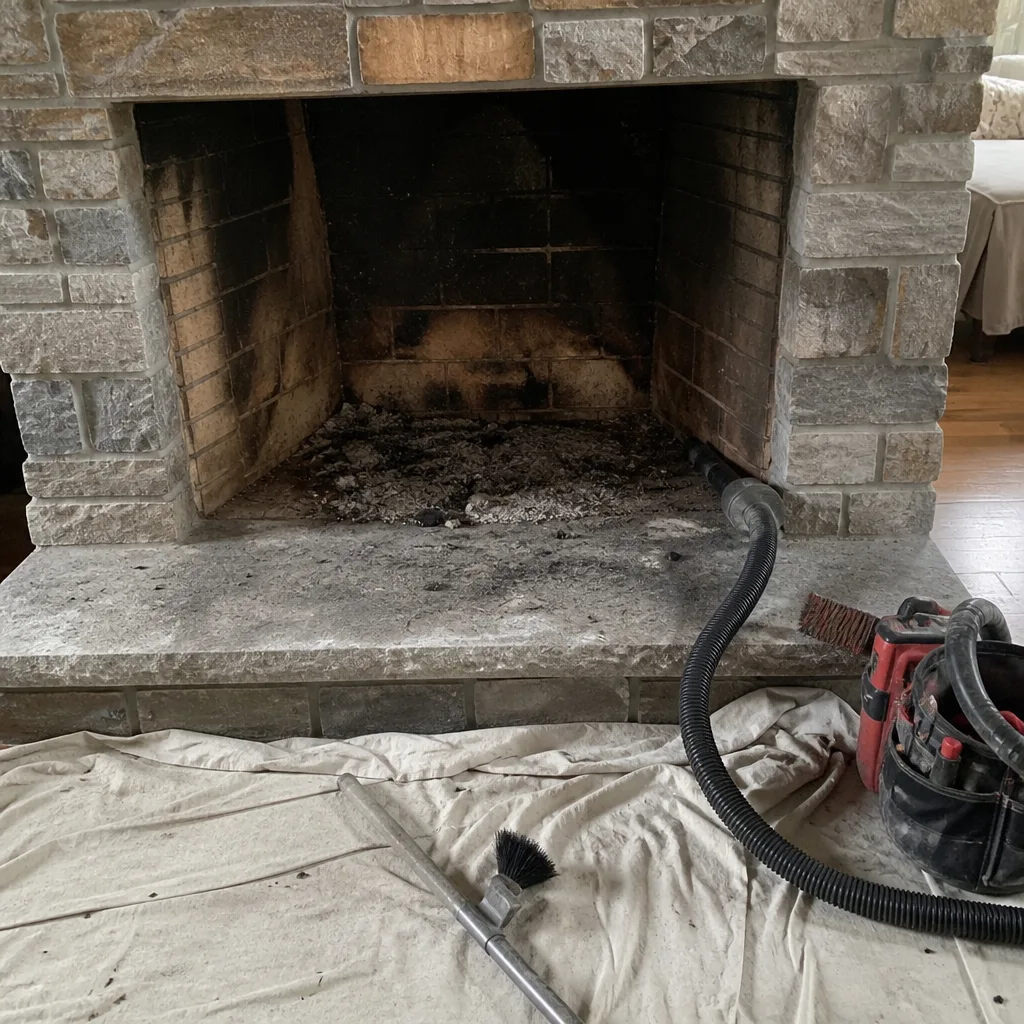 Before
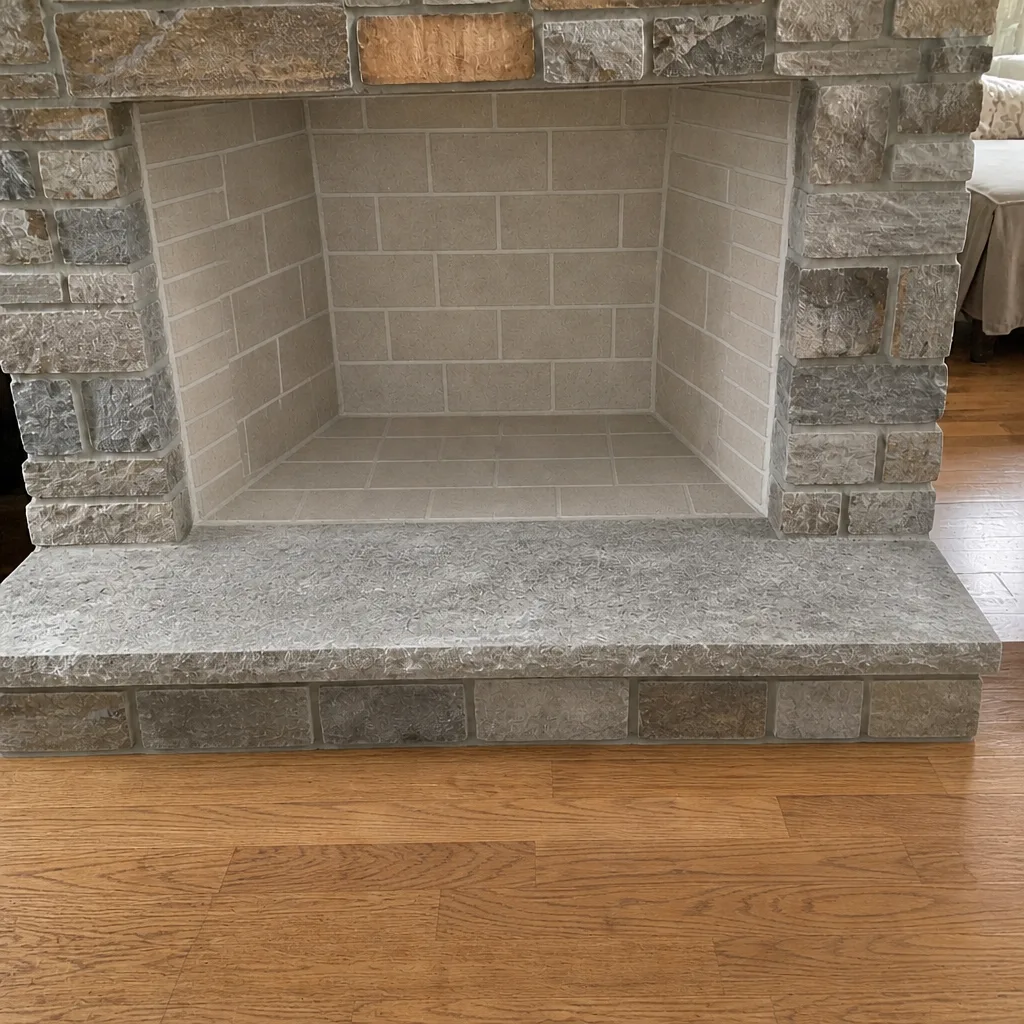 After
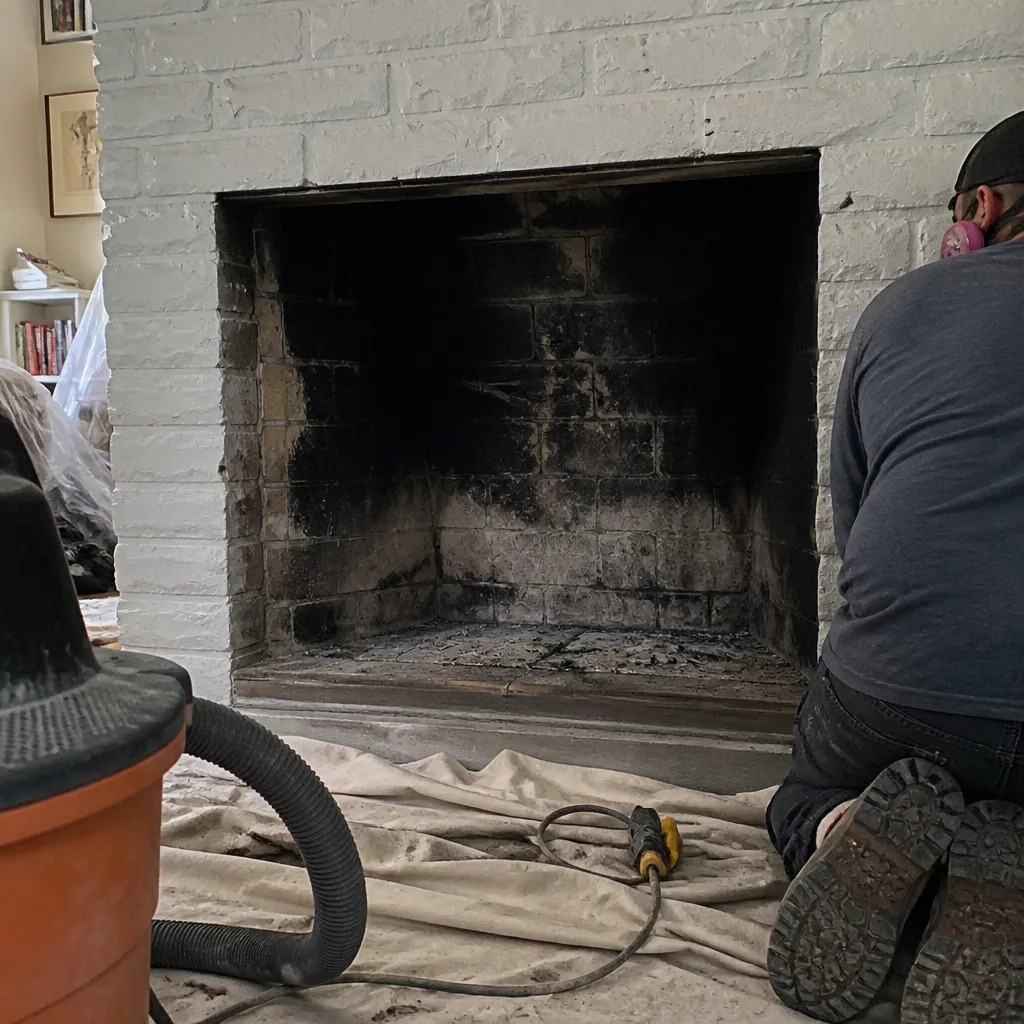 Before
 After
 Before
 After