
Last updated November 25, 2026
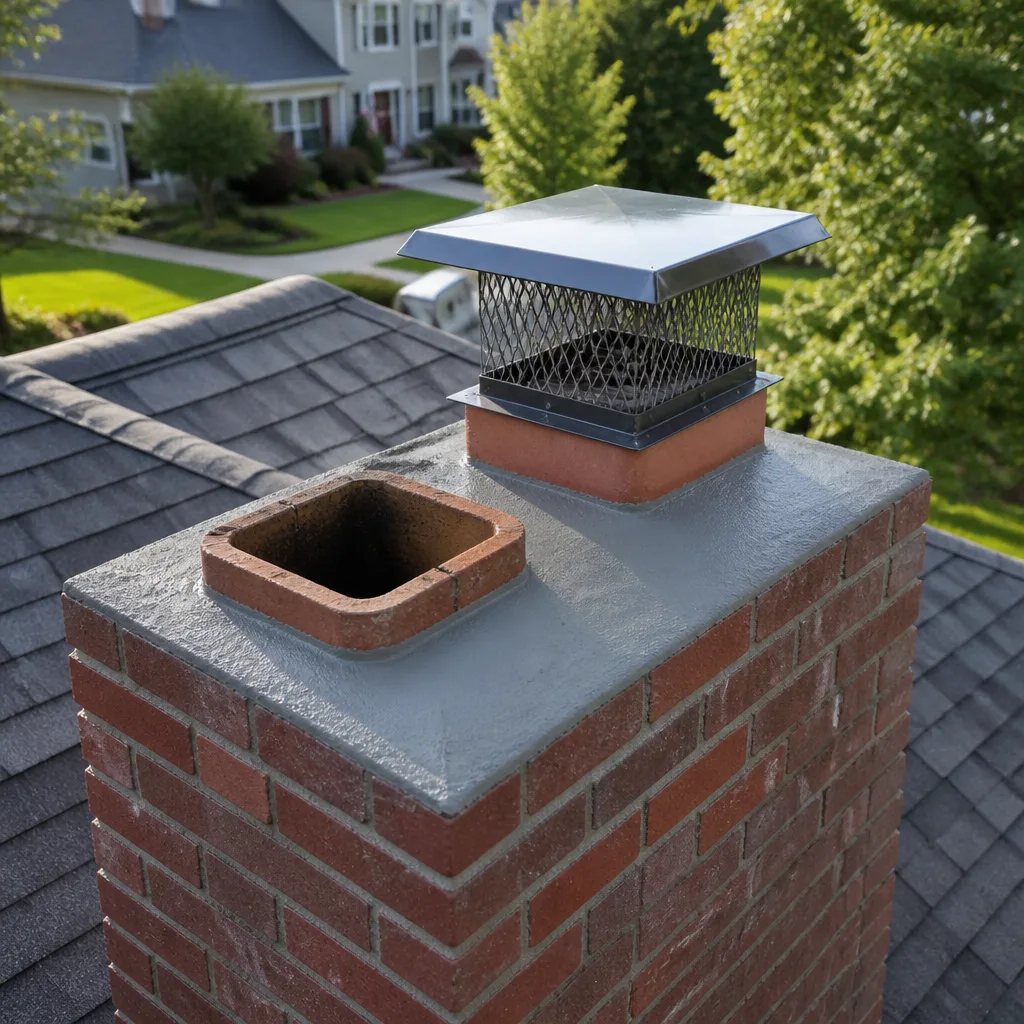 Sweep & inspection
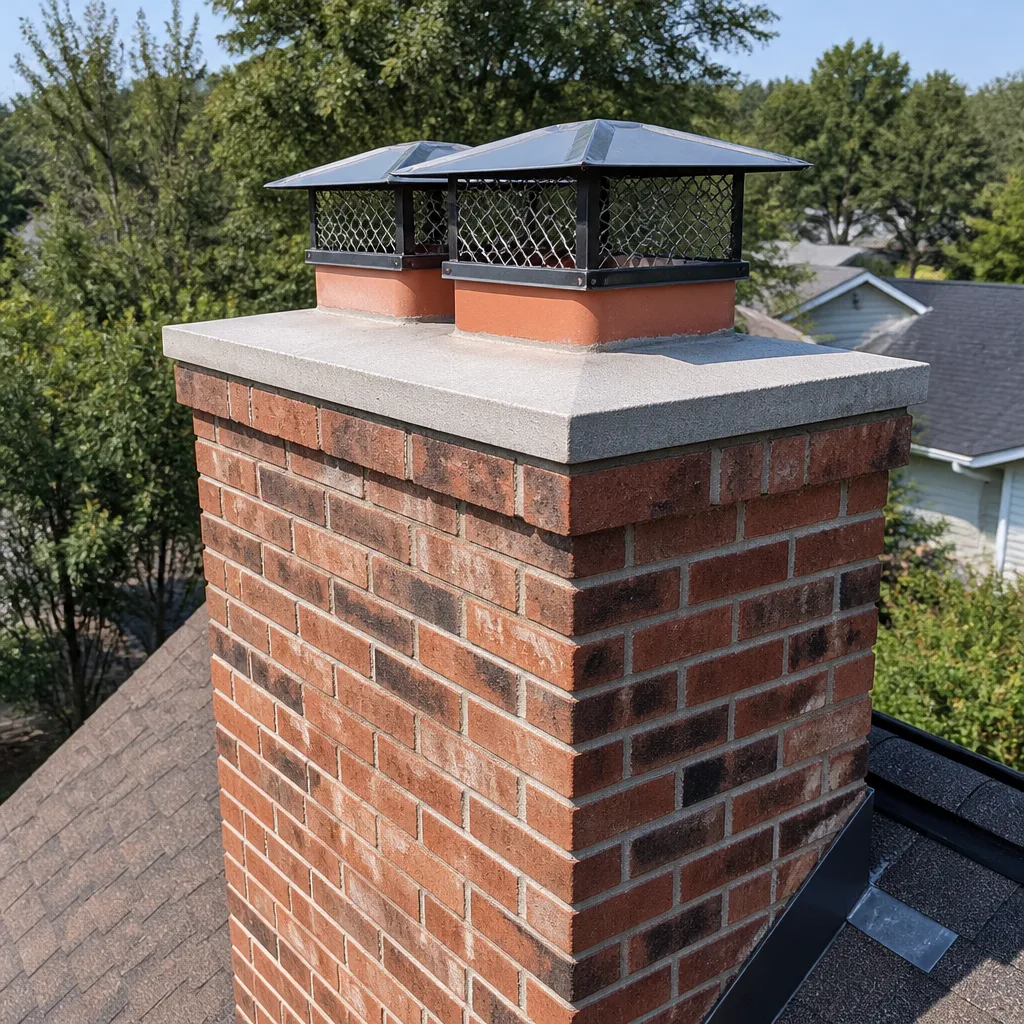 Caps & crowns
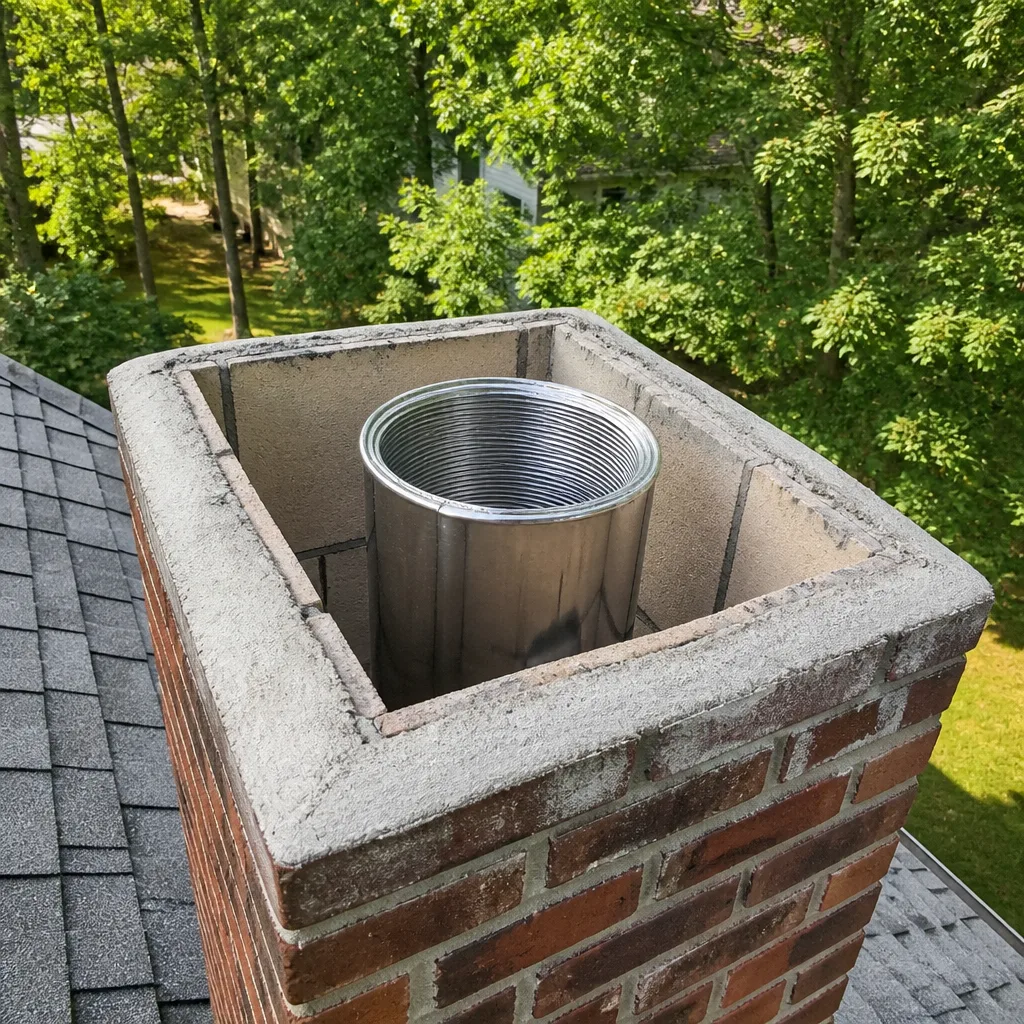 Flue relining
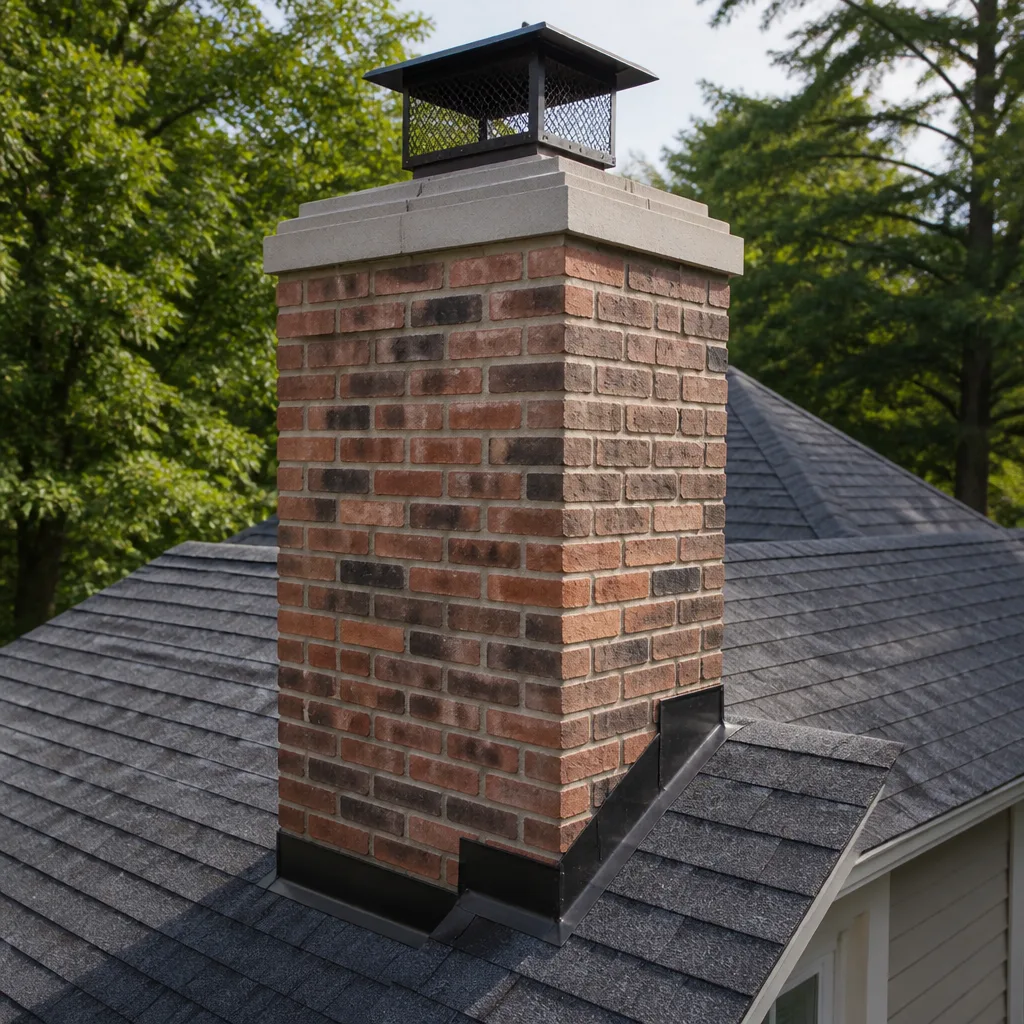 Masonry repair
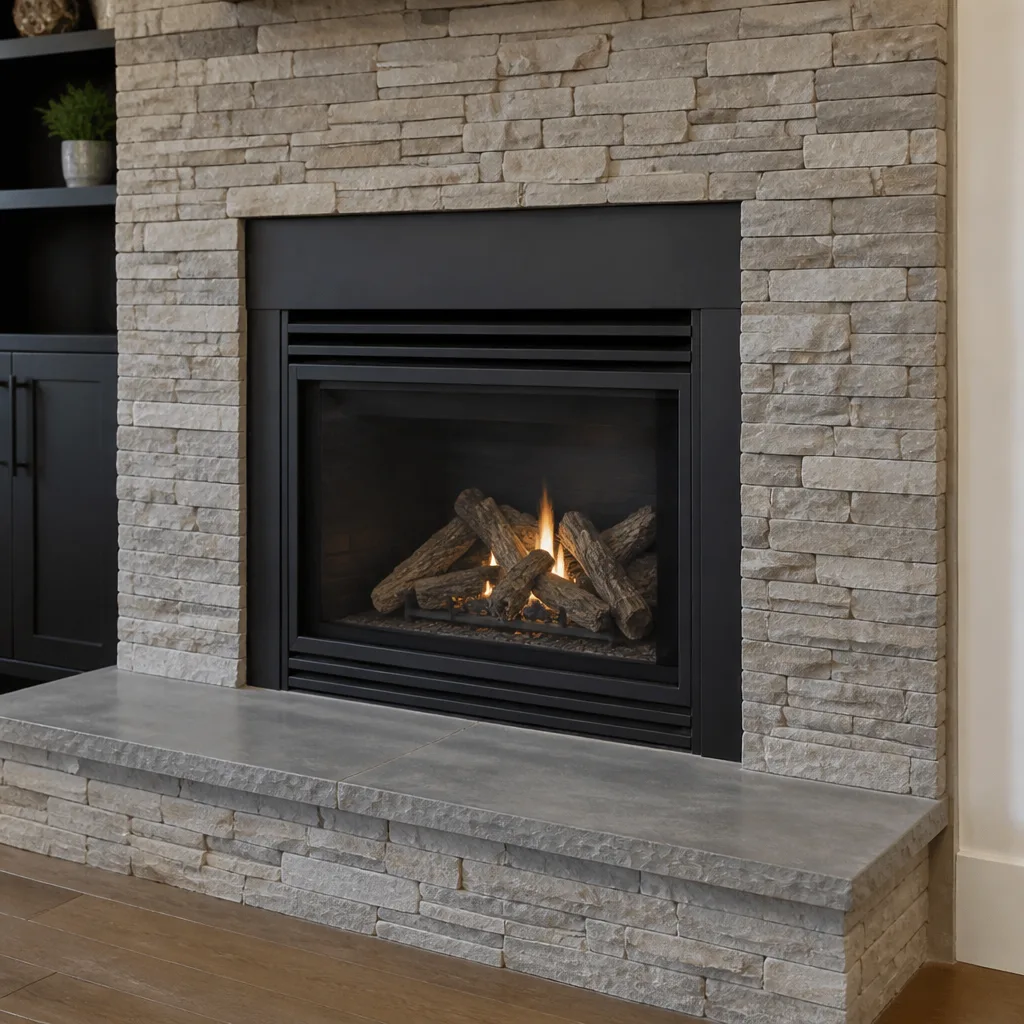 Gas fireplace service
Level 1 sweep and inspection to the NFPA 211 annual standard - flue, crown, cap, and flashing checked and photographed
Chimney sweep logs do not sweep chimneys. They loosen some creosote - which then falls where a brush and vacuum still have to collect it.
Chimney Cleaning Permits, Codes & Inspections in Bellevue, WA: What You Need to Know
Most Bellevue homeowners assume the paperwork starts the moment anyone touches a chimney. It usually doesn’t. A routine cleaning is maintenance, and maintenance sits on the easy side of the permit line. The confusion starts one step later, when a technician finds a cracked flue tile or a rusted liner and the conversation shifts from sweeping to repair. That’s where Washington’s residential code, Bellevue’s local amendments, and the inspection rules in NFPA 211 all start to matter. This guide draws the line for you: which chimney work needs a permit and which doesn’t, when a Level 2 inspection becomes mandatory, what the City of Bellevue actually reviews, and how unpermitted liner work can follow a house all the way to closing day.
Quick Answer
In Bellevue, routine chimney cleaning and sweeping do not require a permit. Repair or replacement work does. Relining a flue, rebuilding a firebox, replacing a chimney cap or crown assembly that involves structural change, or altering a venting system generally falls under the Washington State Building Code and its residential provisions, and the City of Bellevue issues permits for that scope through its building department. A Level 2 inspection becomes mandatory under NFPA 211 when a property changes hands, after a chimney fire or earthquake, or when a change in fuel or appliance occurs. When in doubt, call the city before work starts.
Styles & brands we work with
- Sweep & inspection
- Caps & crowns
- Flue relining
- Masonry repair
- Gas fireplace service
Table of Contents
- Where the Permit Line Falls: Maintenance vs. Repair
- Washington State Building Code and Bellevue’s Local Amendments
- When a Level 2 Inspection Is Mandatory Under NFPA 211
- What a City of Bellevue Chimney Permit Inspection Actually Involves
- Unpermitted Liner Work, Insurance, and Real Estate Disclosure
- How Bellevue’s Climate and Housing Stock Shape Chimney Wear
- What Documentation You Should Expect From Any Chimney Contractor
- A Homeowner’s Permit and Inspection Checklist
Where the Permit Line Falls: Maintenance vs. Repair
A chimney sweep cleans. A chimney contractor repairs. In Bellevue, that difference isn’t just vocabulary: it’s the difference between a job that can start tomorrow and a job that needs a permit issued first. The line is generally drawn at whether the work changes the structure, the venting system, or the appliance connection. Cleaning removes creosote, soot, and debris from an existing, unchanged flue. Repair changes something physical about the system, and that’s when the city gets involved.
Here’s how most jobs sort out:
- No permit typically required: a standard sweep and Level 1 inspection, a cap replacement that mounts on the existing flue without altering the crown, a damper that’s cleaned or adjusted, and cosmetic firebox cleaning.
- Permit likely required: relining a flue with a flexible stainless system, replacing a deteriorated clay tile liner, rebuilding a firebox or smoke chamber, a crown rebuild that changes the chimney’s top structure, converting a wood-burning fireplace to gas, and installing a new appliance or vent connector.
- Contractor decides, you verify: a repair that sits close to the line. Ask the contractor to put in writing whether their scope requires a permit and why. If the answer is vague, call Bellevue’s building department yourself before signing.
This matters because a flue liner is a structural safety component, not a trim piece. It contains the heat and combustion gases your fireplace produces and keeps them away from the wood framing in the chimney chase. When it’s replaced without a permit, there’s no record that anyone inspected the installation for clearances, sizing, or proper connection. A report from a chimney sweep will tell you the liner is damaged, but only a permitted installation with an inspection gives you the paper trail that says it was done correctly.
Washington State Building Code and Bellevue’s Local Amendments
Washington adopts the International Residential Code as the basis of its residential construction requirements, with statewide amendments, and Bellevue, like most jurisdictions in the region, layers its own local amendments on top. For chimney and venting work, the practical effect is that you should never assume a rule from another city, or a rule you read on a national forum, applies here. The code book that governs your chimney is the one the City of Bellevue has adopted and enforces.
What the residential code covers for chimneys, in general terms:
- Venting requirements: how combustion appliances and fireplaces must be vented, and what materials are permitted for flues.
- Clearances to combustibles: the minimum distance between a chimney, flue, or vent connector and the wood framing and building materials around it.
- Chimney construction and support: requirements for masonry and factory-built chimneys, including how they’re supported and terminated at the roof.
- Appliance connections: how a fireplace insert, stove, or furnace connects to the flue, and what fittings are required.
- Liner requirements: when an existing flue must be relined, and what qualifies as a proper liner for the appliance in use.
Local amendments can tighten those provisions rather than loosen them. Because the exact requirements change as the state and city update their adopted codes, the responsible move for a Bellevue homeowner is to confirm two things with the City of Bellevue building department before work begins: whether your specific scope requires a permit, and which inspections the permit will need. That call takes a few minutes and protects you at insurance time and at resale. Contractors who work in Bellevue regularly know the local requirements. When a contractor tells you a permit is never needed for “just a liner,” treat that as a reason to ask more questions.
When a Level 2 Inspection Is Mandatory Under NFPA 211
NFPA 211, the standard for chimneys, fireplaces, vents, and solid fuel-burning appliances, defines three inspection levels. A Level 1 inspection is the basic visual check that accompanies a routine cleaning. A Level 2 inspection is more thorough: it includes everything in a Level 1 plus inspection of accessible areas of the chimney and vent, and where necessary it uses video scanning to look at the interior of the flue. A Level 3 adds access to concealed areas, which can mean opening walls.
NFPA 211 makes a Level 2 inspection mandatory in specific situations, and Bellevue homeowners run into these surprisingly often:
- A real estate transaction: when a property is sold, the chimney and venting system should be evaluated at Level 2 before the transfer. This is the rule behind most pre-sale chimney inspections in Bellevue.
- After an event that may have damaged the chimney: a chimney fire, an earthquake, or a similar structural event. The Pacific Northwest sits in an active seismic region, so this one is not theoretical in Bellevue.
- A change of fuel type or appliance: switching from wood to gas, adding an insert, or replacing a connected appliance.
- A change in how the system runs: a new problem like persistent smoke spillage, a downdraft, or an unexplained draft issue.
A Level 2 is also smart every time you buy a house, even if the seller provides a report. Video scanning documents the actual condition of the flue interior, which is something a basic Level 1 cannot do. A standalone chimney inspection gives you documented clarity before you commit to any repair, and you don’t need to buy a sweep or a repair to get it. In our experience, the inspection report is the single most useful piece of paper a homeowner can hold when someone recommends thousands of dollars of liner work.
What a City of Bellevue Chimney Permit Inspection Actually Involves
A chimney-related permit inspection in Bellevue is a code inspection, not a chimney sweep. The city inspector is looking at whether the installed work matches the approved permit and meets the code the city has adopted. They are not there to clean, test-draft a fireplace, or tell you how your fire will burn. Understanding that difference keeps expectations realistic.
For a permitted relining or repair, the inspection generally focuses on documentation and visible compliance:
- The approved permit and plans: the permit application, approved scope, and any product listing documentation for the liner or venting material being installed.
- Product requirements: confirmation that the liner or venting system is listed for the intended use, properly sized for the appliance, and installed to the manufacturer’s instructions.
- Clearances and termination: visible clearance from combustible materials and proper termination at the top of the chimney.
- Inspection checkpoints: the permit will specify when the work must be inspected, often before concealment. This is one reason a contractor must sequence the job correctly.
In practical terms, the city’s inspection is the layer of protection homeowners can’t replicate by eye. For a liner installation, the integrity of the connection and clearances matter far more than how neat the cap looks from the driveway. We install DuraFlex liner systems directly rather than subcontracting the relining work, and we install HeatShield resurfacing to restore flues that are deteriorated but still sound enough to be resurfaced instead of replaced. Both approaches follow manufacturer and code requirements, and we sequence the work so the permit inspection is done at the right stage. If the job needs a permit, we expect the paperwork to be part of the job.
Unpermitted Liner Work, Insurance, and Real Estate Disclosure
The place where unpermitted chimney work does the most damage is not at the point of sale. It’s during a claim. Homeowner’s insurance is purchased to cover the unexpected, but policies generally exclude work that was never permitted or was done improperly, and an insurance adjuster investigating a chimney fire or smoke claim will look at what was installed and whether it complied with code. A liner installed without a permit leaves no record of proper installation. If an adjuster can’t establish that the work was done to code, coverage for the resulting damage may be disputed.
Bellevue homeowners also face Washington’s real estate disclosure rules. In general terms, Washington requires sellers to disclose known material defects and known problems with the home, and a chimney that has a known liner or firebox issue qualifies. Here’s what tends to happen:
- At sale, a Level 2 inspection is performed. The report shows a liner issue, a firebox crack, or a crown problem.
- The seller discloses it, or the buyer’s inspector finds it, and the buyer asks for records of any prior repair.
- If there’s no permit record, the buyer’s lender and their insurer may require documentation before closing, which can delay or renegotiate the sale.
The result is that unpermitted work from years ago can come back as a problem today. If you own a Bellevue home with a chimney that was relined or repaired at some point, it’s worth finding out whether a permit exists. If you’re buying, ask for the permit history on any chimney work, and get a standalone inspection so you know what you’re accepting. A chimney repair that’s documented and permitted is an asset. The undocumented version is a question mark that follows the house.
How Bellevue’s Climate and Housing Stock Shape Chimney Wear
Bellevue’s climate is hard on masonry in a specific way. The region’s wet, mild winters and repeated freeze-thaw cycles work on exterior masonry and mortar joints, so crown cracking and spalling brick show up here more than in drier climates. Masonry absorbs moisture during the rainy months, and when temperatures dip below freezing, that moisture expands inside the brick and mortar. That’s why a crown that looks fine in July can be a problem by January.
Inside the house, the pattern shifts to the wood-burning season. Bellevue homes tend to run their fireplaces hard in the wet months and leave them idle for long stretches in summer, which is exactly the cycle that builds creosote in slow stages. A neglected chimney is a liability; a serviced one is a fireplace you can actually use. The three things we check for most on Bellevue chimneys:
- Crown and cap condition: cracks that let water into the flue, and caps that have blown loose or rusted through. A properly fitted chimney cap & crown does real work against water intrusion.
- Liner integrity: cracked clay tiles or a rusted steel liner, especially on homes with a decades-old chimney that predates current code requirements.
- Firebox and smoke chamber: cracks and deteriorated mortar, which are the most common reasons we recommend repair rather than just a sweep.
Bellevue’s housing stock adds a wrinkle. The city includes older homes in neighborhoods like Bridle Trails and Crossroads alongside newer construction in areas such as Newport and Somerset, and the chimneys from those eras were often built to standards that have since been updated. An older chimney isn’t automatically a problem, but it needs a proper inspection to know where it stands relative to current code. On the fireplace repair side, we see the same wear: cracked firebox brick, failed mortar joints, and dampers that no longer seat. Fixing those early is far less expensive than addressing the structural damage that follows. Bellevue homeowners who schedule service before the burning season starts avoid the midwinter scramble and get the work done when it’s most convenient.
What Documentation You Should Expect From Any Chimney Contractor
For any job beyond a routine cleaning, the paperwork is your record. It’s what your insurer reads, your buyer’s inspector reads, and what you’d want if anything went wrong. A contractor working in Bellevue should be comfortable providing the following, and if they’re vague about it, that’s a signal.
- A written estimate that states the scope clearly and lists the materials to be used. If a permit is required, the estimate should account for it.
- A permit record for any structural repair or liner installation, with the permit number available to you. Bellevue permits are issued through the city building department.
- An inspection report with the level of inspection performed (1, 2, or 3), the findings, and photographs where relevant. Ask for a copy before work begins.
- Material documentation for the liner or venting system: the product listing and installation instructions for the system going in. Our technicians have up to 11 years of experience, and the good ones will tell you exactly what they’re installing and why.
- A record of the final inspection once the city signs off, and any manufacturer’s warranty documentation.
Benchmark brands matter here too. Copperfield, DuraFlex, HeatShield, and Gelco are the names that show up on professionally installed repair systems, and each product is listed for a specific use. A contractor who can tell you which one they’re using and why is a contractor who knows the code. Our own work is limited to five service categories: sweep, inspection, cap and crown, chimney repair, and fireplace repair. One specialist for the full system means you’re not juggling contractors when a sweep turns into a repair, and it means the person inspecting the chimney is the person who can tell you what the repair actually requires.
A Homeowner’s Permit and Inspection Checklist
If you’re planning chimney work in Bellevue, run through this sequence. It takes a few minutes and it’s the difference between a documented job and a gap in your records.
- Start with an inspection, not a repair. Book a standalone inspection so you have an independent picture of the system. Nothing gets recommended to you that isn’t supported by what the inspection actually found.
- Find out whether your scope needs a permit. Ask the contractor, and if the answer is unclear, call the City of Bellevue building department directly.
- Ask for the permit record before work begins. A legitimate contractor will provide the permit number and the inspection schedule.
- Keep copies of everything. Estimate, inspection report, permit, final inspection sign-off, and warranty paperwork. Store them with your home records, not in a shoebox.
- Get a Level 2 inspection before you sell or buy a Bellevue home. It’s the standard the sale process expects, and it’s the best evidence of what you’re handing over or accepting.
We tell you exactly what we find, and we’ll tell you if a repair can safely wait. That happens more often than you might expect. If an inspection shows a crown that needs a repair but the system is safe for another heating season, we’ll say so. That’s the point of a documented assessment: it lets you make the call rather than guess.
Common Mistakes to Avoid
- Assuming cleaning and repair are the same category. A sweep rarely needs a permit; a liner installation usually does. Treat them as two different jobs, and confirm the permit requirement before committing.
- Skipping the Level 2 on a home purchase. Buyers who rely on a Level 1 to save a few hundred dollars can inherit a liner problem that costs far more. The inspection is the cheapest part of the process.
- Taking a contractor’s word on permits without a record. If the contractor says a permit isn’t needed, get that in writing, or verify it with Bellevue’s building department. A verbal assurance won’t satisfy an insurer or a buyer.
- Relining without a video scan. Installing a new liner without documenting the flue’s condition first is guesswork. A video scan is standard practice on any Level 2 inspection for a reason.
- Replacing a liner when resurfacing would do. For some deteriorated flues, HeatShield resurfacing restores the flue without a full liner. Choosing replacement when a restoration would meet code is a decision to spend more for no benefit.
- Letting a crown issue sit through a Bellevue winter. Small cracks channel water into the flue and masonry through the rainy season, and the repair gets costlier once freezing cycles do their work. Address it before the wet months, not after.
- Filing the paperwork somewhere it can’t be found. Keep permits, inspection reports, and warranties with your home records. The next owner will want them, and your insurer may too.
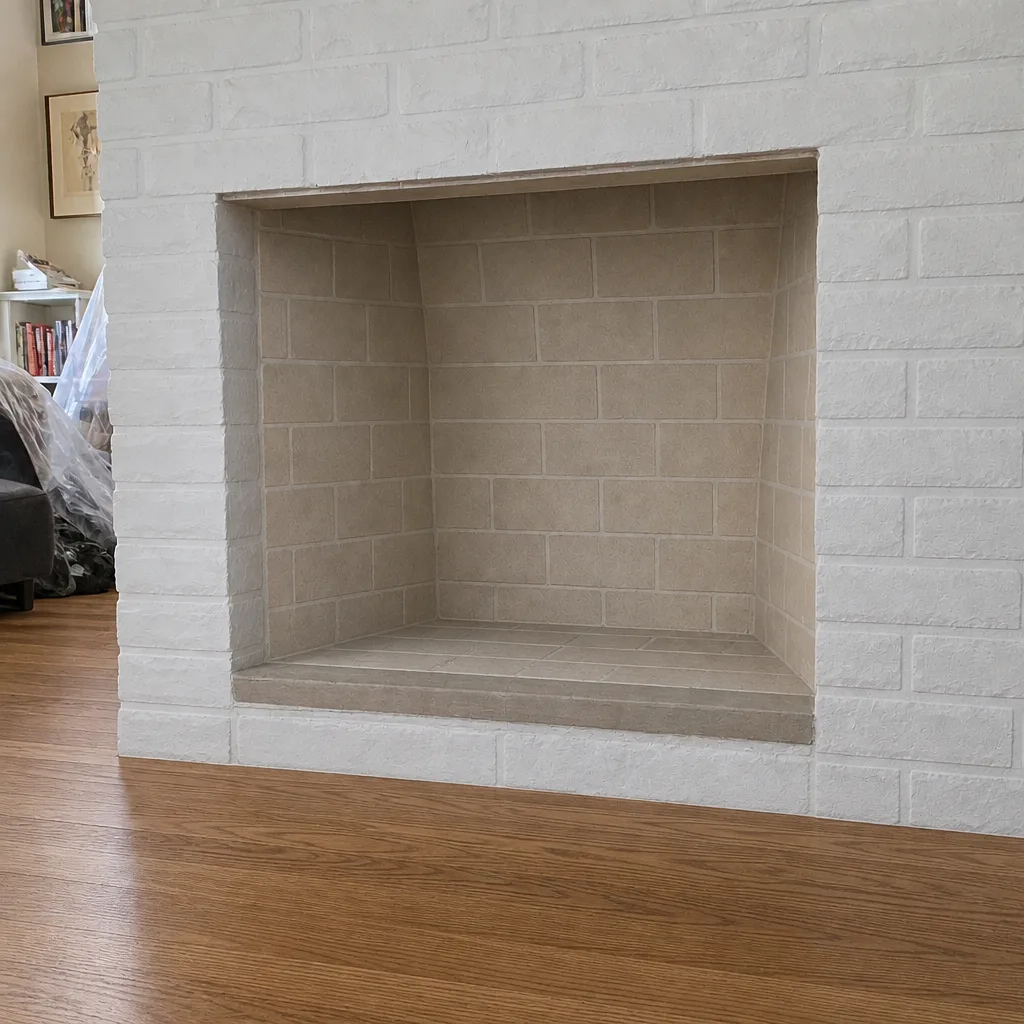
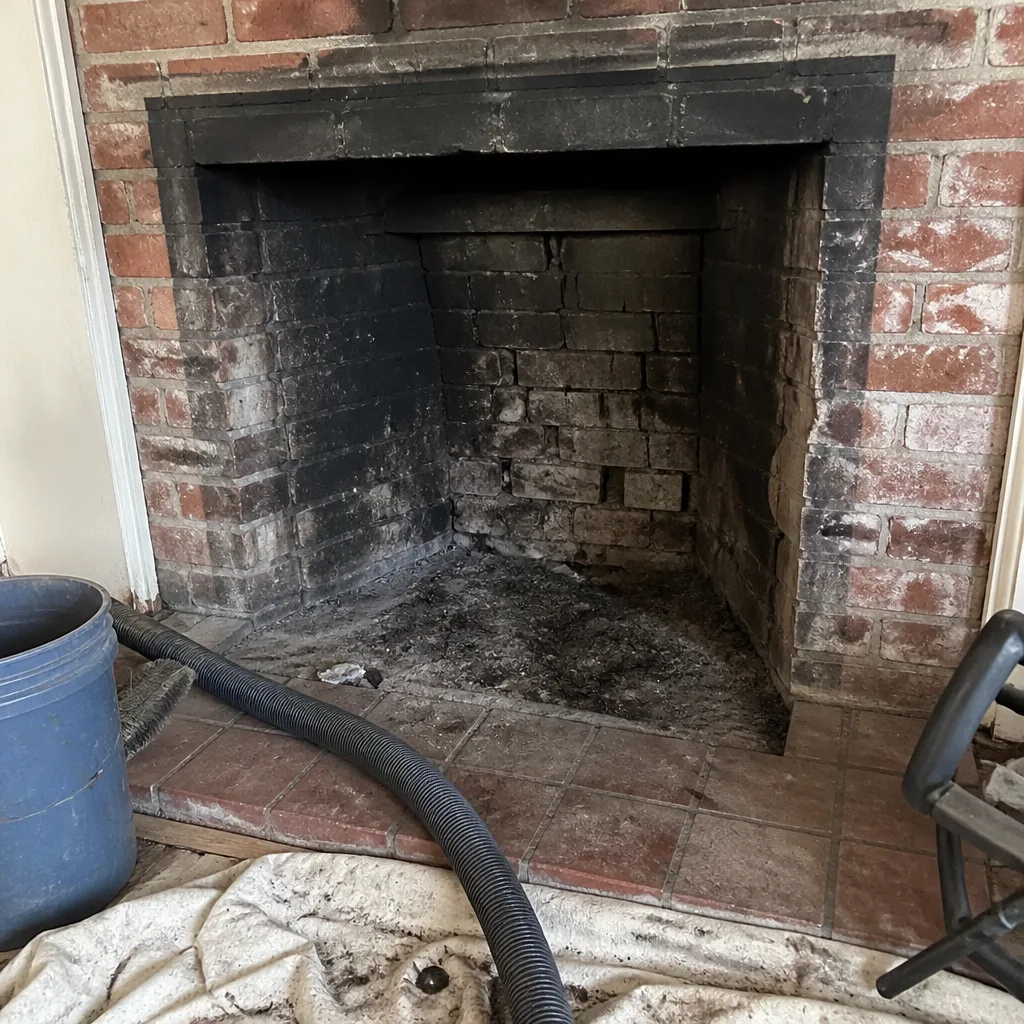
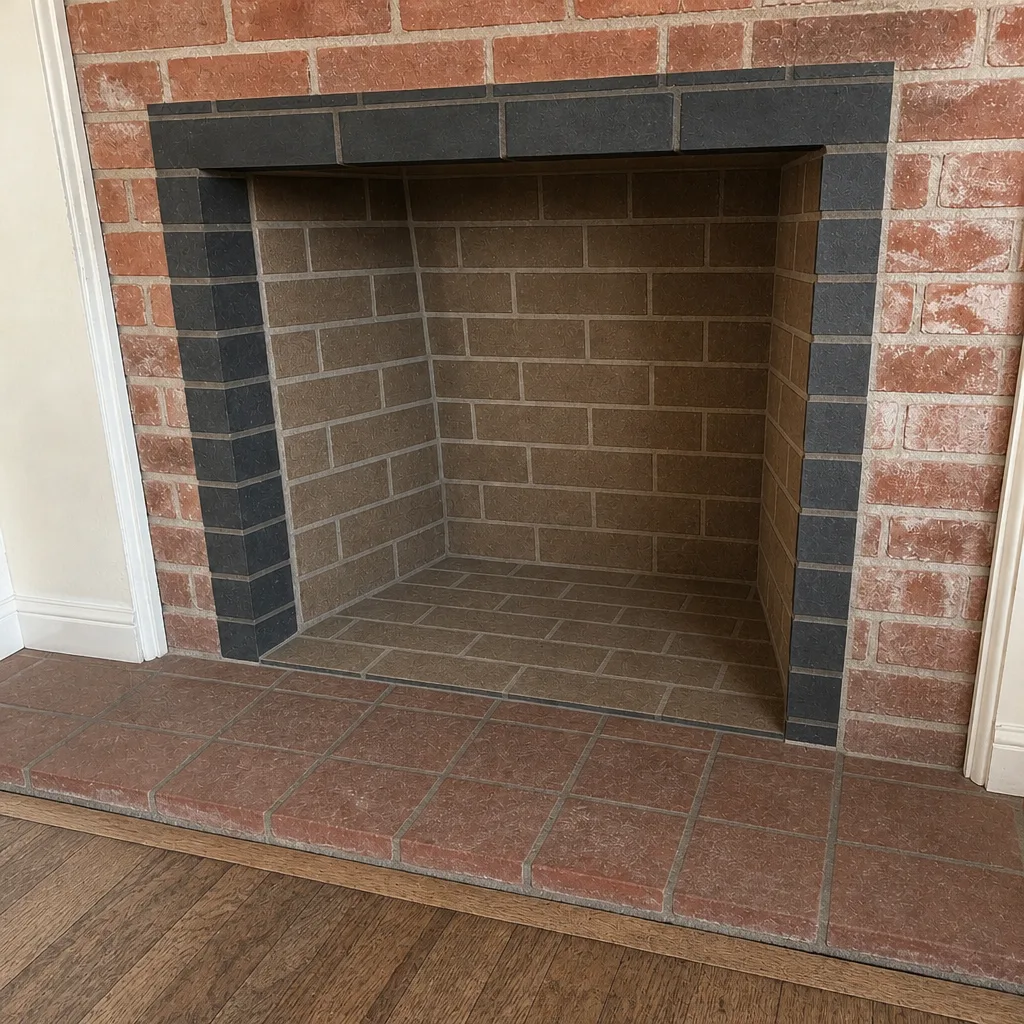
See the difference
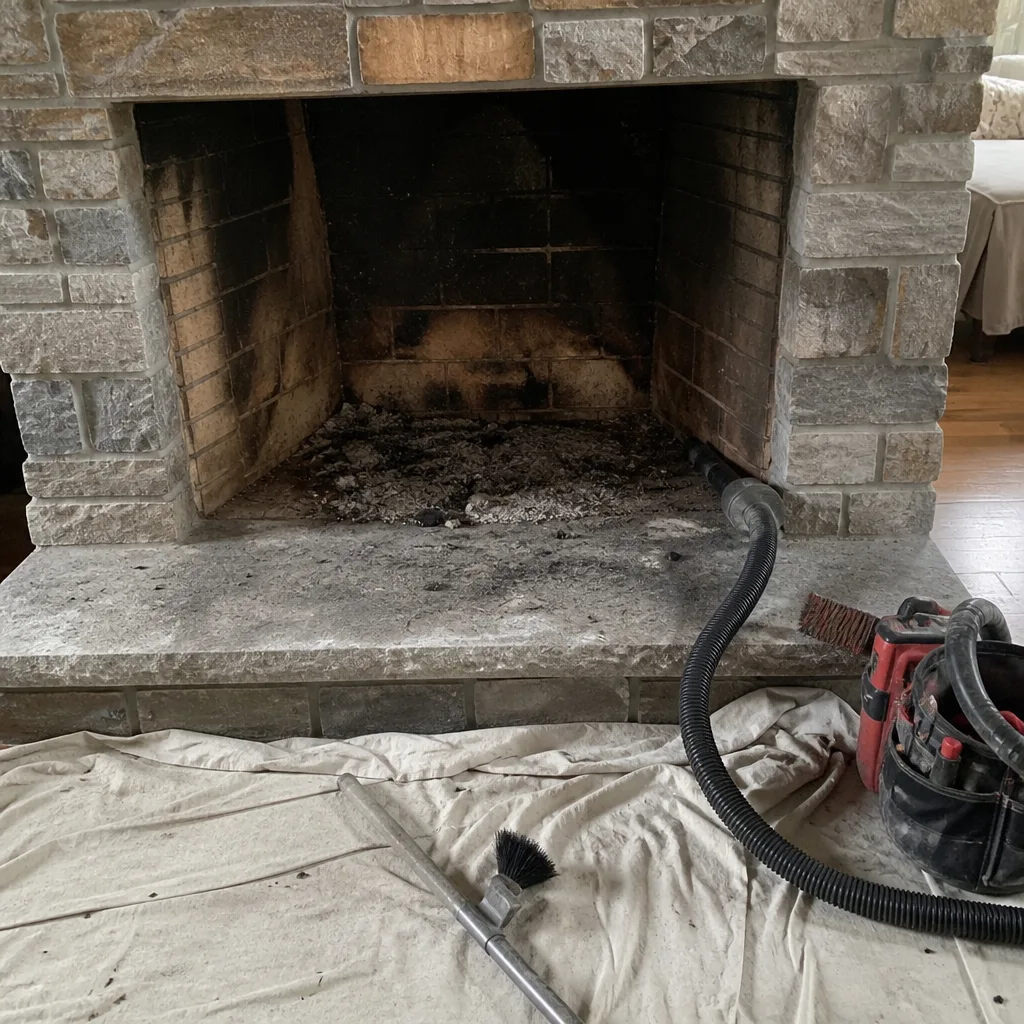 Before
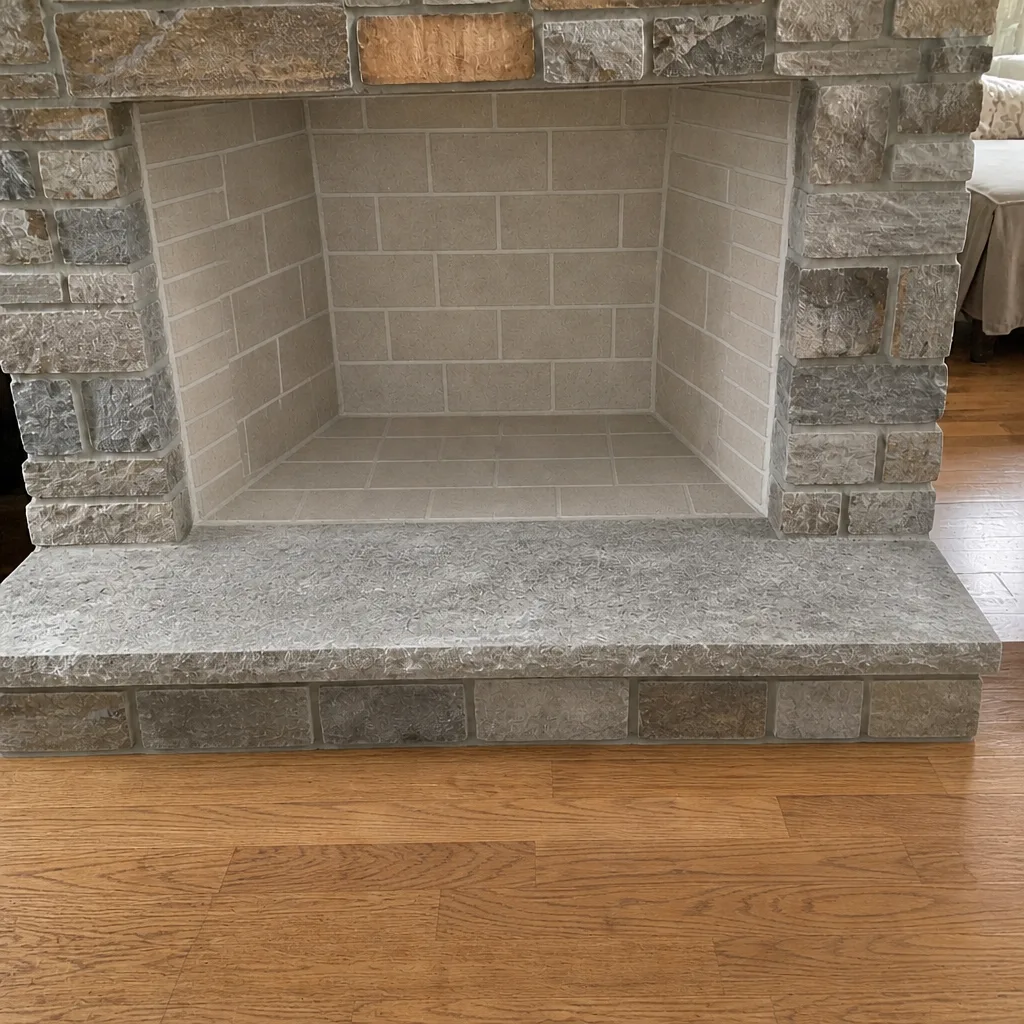 After
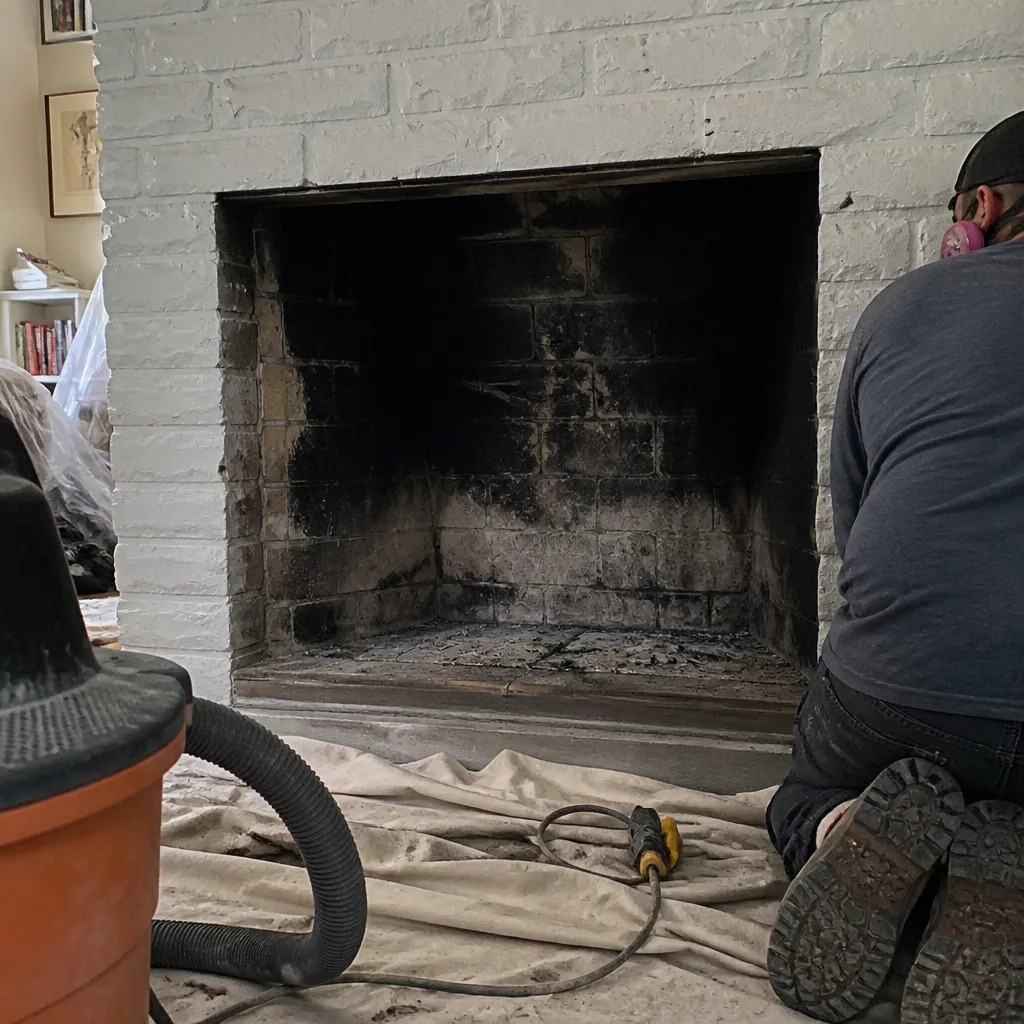 Before
 After
 Before
 After
When to Call a Professional
Some chimney work is close to the edge of DIY, and some of it isn’t close at all. Anything involving the flue interior, the liner, or a structural repair is work for a trained hand, because those are the components that contain combustion gases and heat. Call a professional when an inspection finds a liner defect, when a chimney fire or earthquake has occurred, when you’re buying or selling a Bellevue home, when a repair might need a permit, or when you can’t remember the last time the chimney was swept. If you’re unsure, call Bellevue Chimney Sweep for a free estimate at (844) 625-7326. We answer 24/7. Fast dispatch from 7am to 7pm, Sunday through Friday. An inspection first, a written estimate, and no obligation to proceed until you’ve seen what we found.
Frequently Asked Questions
No. Routine chimney cleaning in Bellevue doesn’t require a permit, because it’s maintenance on a system that isn’t being changed. Cleaning removes creosote and debris from the flue; it doesn’t alter the venting system or the structure. Call (844) 625-7326 for an exact quote on a sweep, or to book an inspection to verify the system’s condition first.
Chimney repair generally requires a permit in Bellevue when it involves relining a flue, rebuilding a firebox or crown, replacing a chimney structure, converting an appliance, or altering the venting system. The line is whether the work changes the system versus maintaining it. Confirm your specific scope with the City of Bellevue building department before work begins, and call (844) 625-7326 if you’d like an inspection to determine what work is actually needed.
A Level 2 inspection is required under NFPA 211 when a property is sold, after a chimney fire or similar structural event, when the fuel type or appliance changes, or when there’s a change in how the system operates. In Bellevue, the real estate scenario comes up most often. Call (844) 625-7326 to schedule a standalone Level 2 inspection with a documented report.
Check the permit history through the City of Bellevue for any chimney work on record, and compare it to what’s installed. If there’s no record, an inspection can tell you what’s in the flue and whether it appears properly installed. Call (844) 625-7326 and we’ll assess the system and tell you plainly what we find.
It can. Insurance adjusters may look for evidence that the work was permitted and done to code, and coverage for damage related to improper or unpermitted work may be disputed. Document every repair with a permit and a final inspection. If you’re unsure of your chimney’s history, call (844) 625-7326 for an inspection and a written assessment you can keep.
Permitted chimney work generally requires city inspection at the stages the permit specifies. That includes reviewing the approved scope, the product documentation for the liner or venting system, and visible compliance with clearance and termination requirements. The final inspection sign-off is the record you’ll want at resale. Call (844) 625-7326 to book an inspection and confirm what permits your repair needs.
The Bottom Line
The permit question comes down to one line: maintenance versus structural change. A chimney cleaning in Bellevue is maintenance, and it doesn’t need a permit. A relining, firebox rebuild, or crown reconstruction changes the system and generally does. The bigger picture is documentation. A Level 2 inspection when you buy or sell a home, a permit and a final inspection sign-off on any repair, and records you keep with the house. That paper trail is what protects you at insurance time and at closing. If your Bellevue chimney hasn’t had a proper inspection, start there. A serviced chimney is one you can actually use with confidence. Bellevue Chimney Sweep offers free estimates and standalone inspections, with one specialist for sweep, inspection, cap and crown, chimney repair, and fireplace repair. Call (844) 625-7326. We answer 24/7. Fast dispatch from 7am to 7pm, Sunday through Friday.
Written by the team at Bellevue Chimney Sweep.