
Last updated November 25, 2026
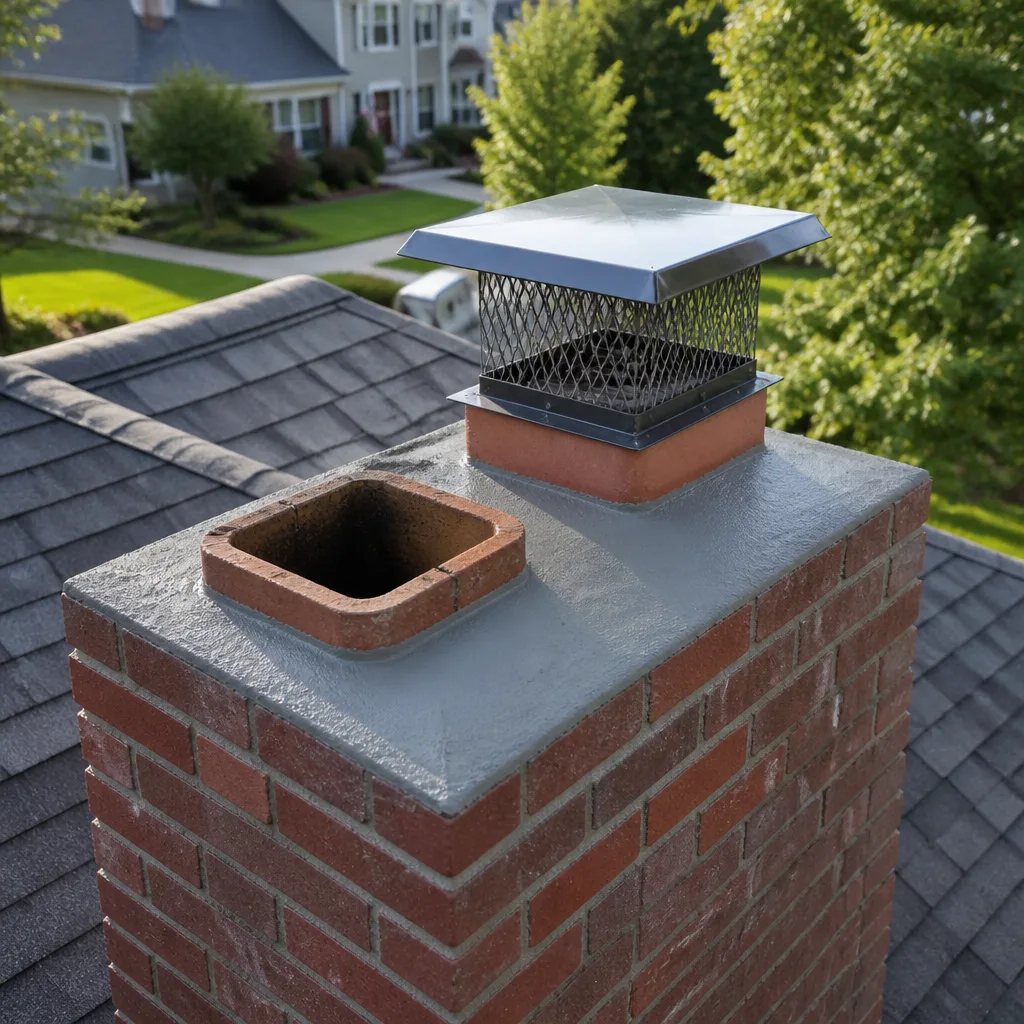 Sweep & inspection
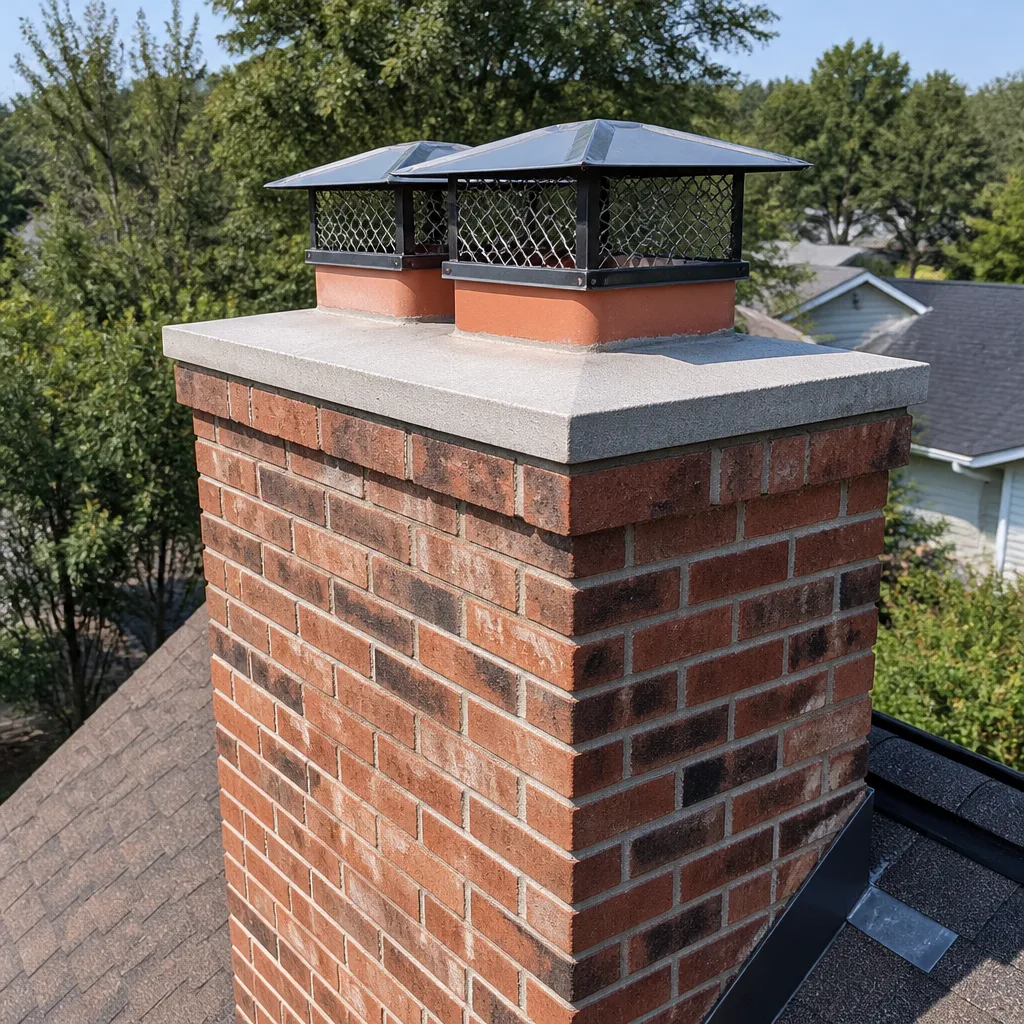 Caps & crowns
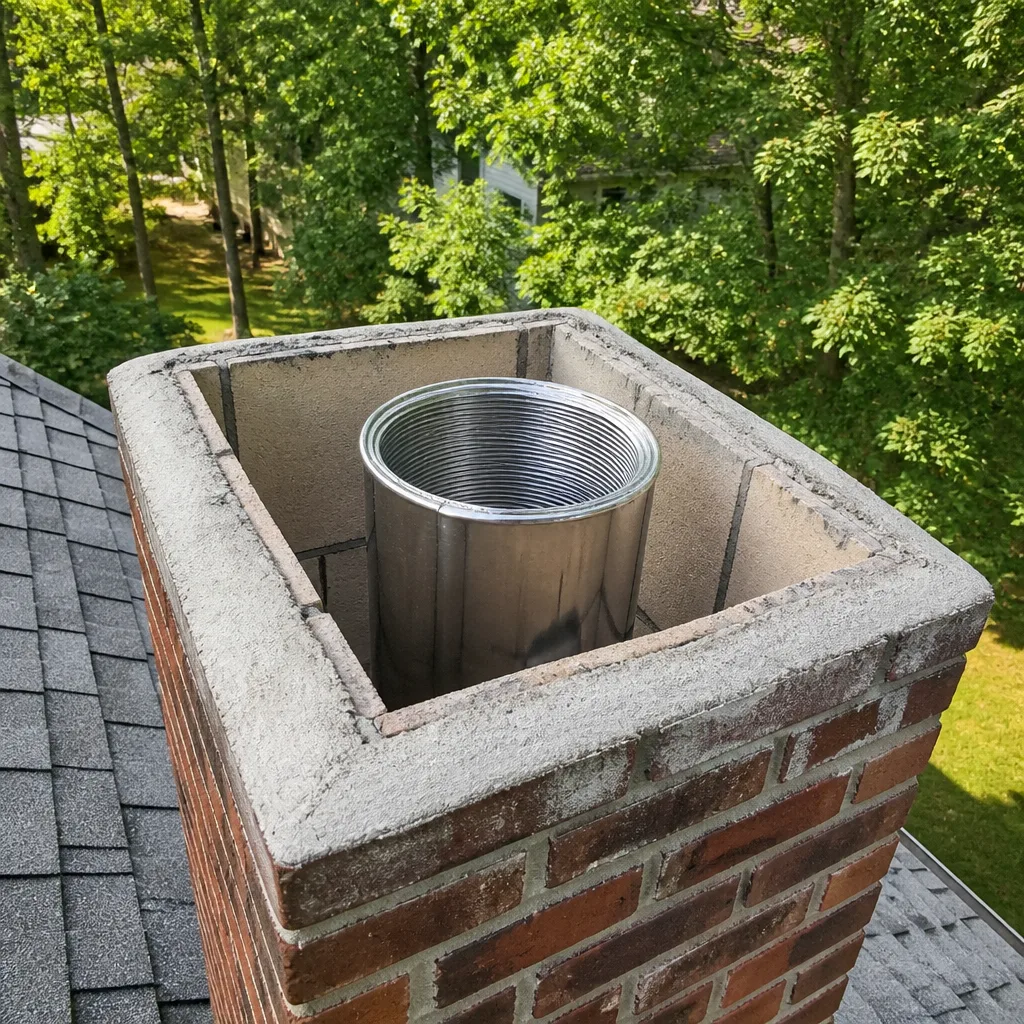 Flue relining
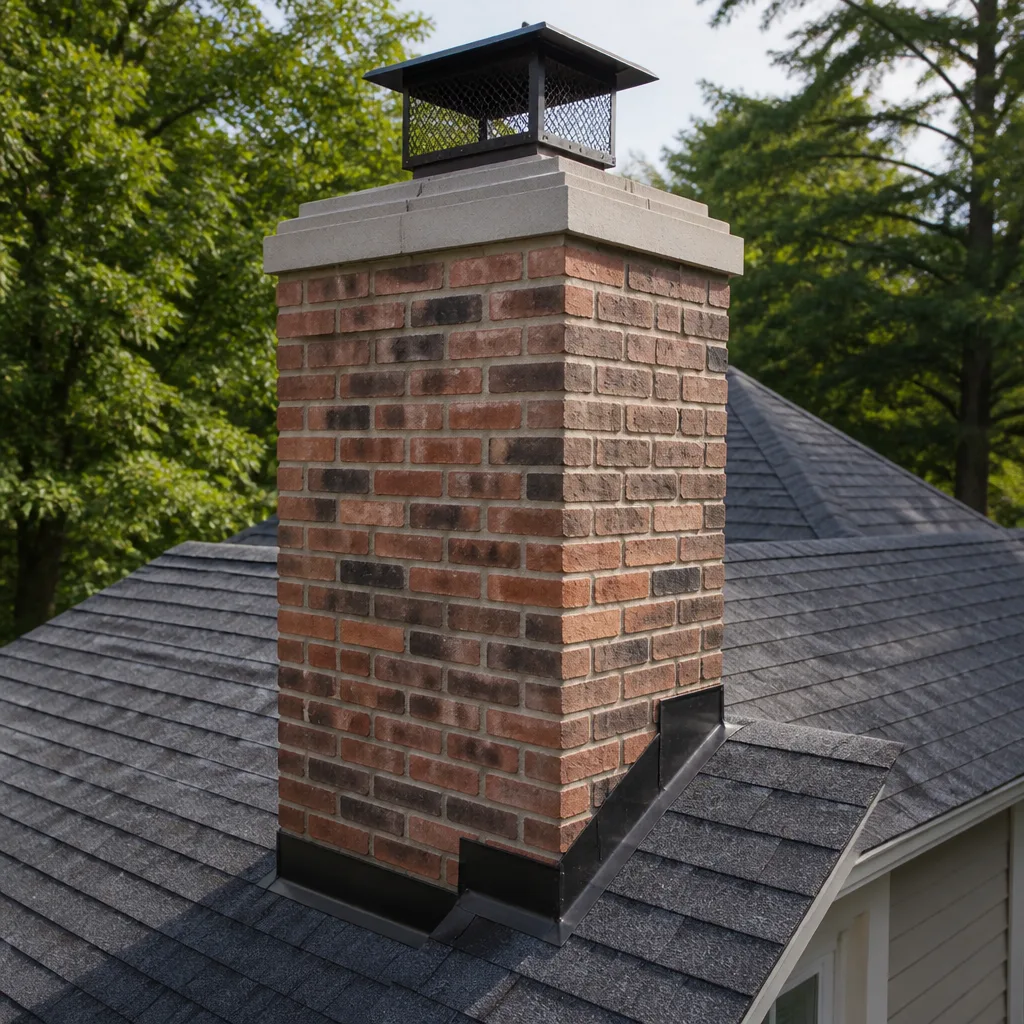 Masonry repair
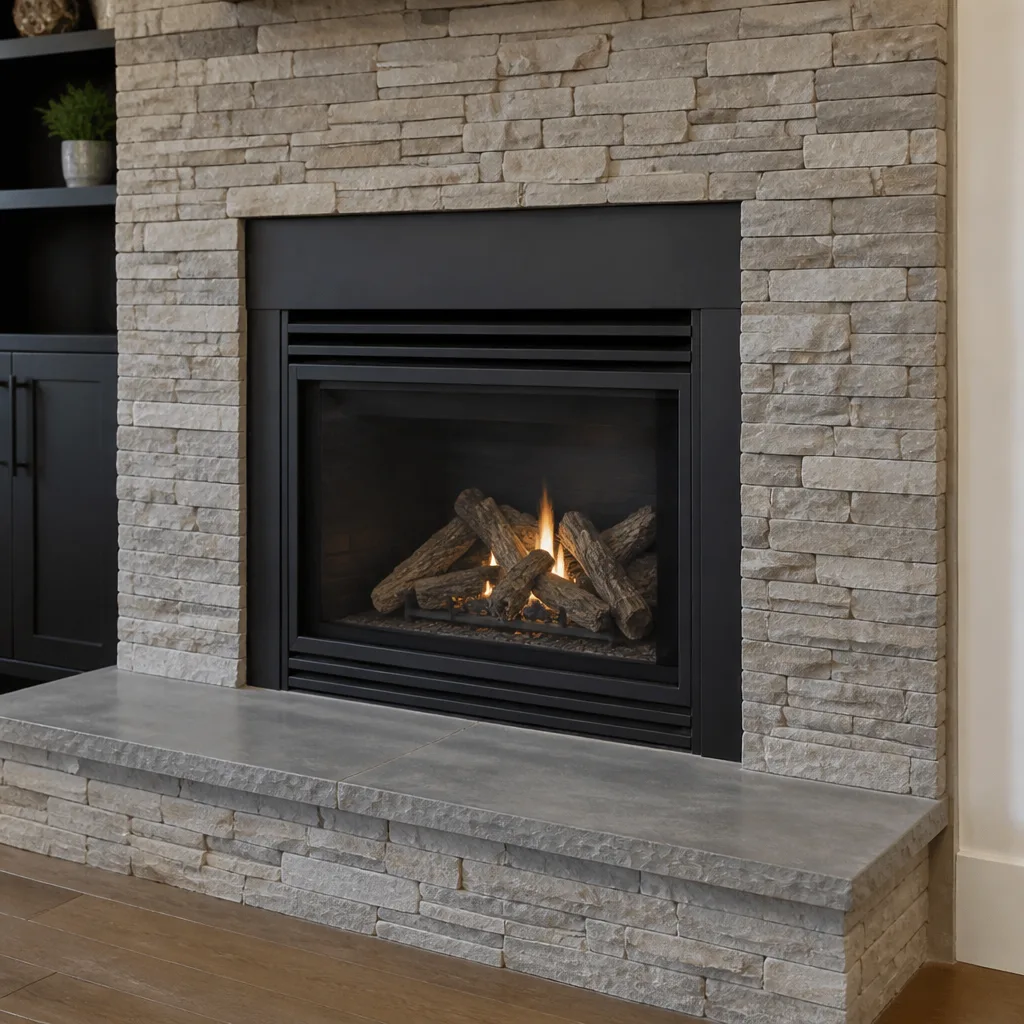 Gas fireplace service
Level 1 sweep and inspection to the NFPA 211 annual standard - flue, crown, cap, and flashing checked and photographed
Chimney sweep logs do not sweep chimneys. They loosen some creosote - which then falls where a brush and vacuum still have to collect it.
Chimney Sweep Maintenance Schedule: What to Do and When
The “clean it once a year” advice almost everyone repeats comes from a 1980s NFPA guideline. It was written before wood inserts became common, before gas log sets filled living rooms, and before tight-construction homes changed how chimneys actually accumulate deposits. A calendar month is a crude proxy for the thing that really matters: how many hours of fire your flue sees and what you burn in it. Two Bellevue households can follow the exact same yearly sweep and end up in completely different condition. This guide replaces the calendar rule with a schedule built around burn hours, fuel type, liner material, and the wet fall season that defines chimney care in Bellevue. You’ll finish with a maintenance plan you can actually run.
Quick Answer
Most wood-burning chimneys need sweeping after every 50 to 70 hours of active burning, which works out to roughly once a year for a typical household that lights a few fires a week through the cool months. Gas and pellet appliances follow different intervals entirely. Inspections belong on their own schedule: a Level 1 visual check every year, a Level 2 camera inspection whenever anything changes (new appliance, new home, a chimney fire, or a change in how the fire draws). In Bellevue, the wet fall months mean early October is the right window to book, not the last week before the holidays.
Styles & brands we work with
- Sweep & inspection
- Caps & crowns
- Flue relining
- Masonry repair
- Gas fireplace service
Table of Contents
- Why Burn Hours Beat Calendar Months
- Setting Your Interval by Fuel Type
- How Your Liner Material Changes the Schedule
- Level 1 vs. Level 2 Inspections: What Each One Reveals
- Why Bellevue Homeowners Should Book in Early October
- What You Can Check Yourself vs. What Needs a Technician
- Common Mistakes to Avoid
- When to Call a Professional
Why Burn Hours Beat Calendar Months
The single biggest factor in how fast a chimney fouls is how much fire it has seen. Creosote, the tarry deposit that builds inside a flue, forms from incomplete combustion and accumulates in proportion to burning, not to the passage of time. A homeowner who lights a fire most evenings from October through March is putting hundreds of burn hours on the flue each season. A homeowner who builds three fires over the holidays is putting in a few dozen. Cleaning both on the same January schedule is guesswork dressed as maintenance.
A better way to think about it is by measurable signal, not memory. Your chimney tells you it’s getting close to due:
- Soot or black flakes falling into the firebox when you open the damper.
- A glaze or shiny black coating visible on the flue walls, which signals heavier creosote.
- A stronger, more acrid smell when the fireplace is cold and the barometric pressure is low.
- Smoke rolling back into the room on startup more than it used to.
None of those signals replace a proper inspection, but they tell you the interval has likely run its course. Our technicians have up to 11 years of experience, and the consistent pattern we see in Bellevue is that households underestimate their own burn volume. Fires lit most weeks add up faster than people expect. If you’ve never tracked your burn hours, assume a moderate-use household of one to two fires a week and plan a sweep annually, then adjust once you know your pattern. If you want a documented picture of your chimney’s condition before committing to anything, a standalone inspection is the cleanest place to start.
Setting Your Interval by Fuel Type
Fuel type is the second variable that most generic schedules ignore, and it changes the maintenance picture completely. Wood, gas, and pellet appliances produce different deposits at different rates and need different attention during a visit.
Wood-burning fireplaces and wood inserts
This is the highest-maintenance category. Wood produces creosote and soot, and the amount depends on how dry your wood is, how hot you burn, and how the flue drafts. Plan to sweep after every 50 to 70 hours of active burning. Poorly seasoned wood and a smoldering fire accelerate creosote accumulation substantially. A wood insert runs hotter and more controlled than an open hearth, but it also concentrates the exhaust path, which means the flue works harder and the deposits can be denser. Inserts get swept on the same burn-hour basis, not stretched out because they “burn cleaner.”
Gas-burning fireplaces and gas logs
Gas burns much cleaner where creosote is concerned, so gas appliances are not swept like wood. They do still deposit material in the flue and the firebox, and the more important reason to inspect is safety and function. Gas appliances produce moisture and can produce carbon monoxide if something is off, so the annual check is about verifying that the venting and combustion are right. A gas log set that isn’t venting properly is the failure mode that worries us, not creosote buildup.
Pellet appliances
Pellet stoves and inserts sit between the two. They burn cleanly and produce less creosote than cordwood, but they produce ash and fine particulate, and the venting path still needs attention. Annual inspection and periodic cleanout is the standard rhythm, with the rhythm tightening if you run the appliance heavily. The appliance manufacturers’ manual sets the maintenance for the unit itself; your chimney’s venting is a separate service item.
A quick comparison table
| Appliance | Typical cleaning rhythm | What technicians watch for |
|---|---|---|
| Wood fireplace or insert | Every 50-70 burn hours, roughly annual for most homes | Creosote density, glaze, obstacle blockages, damper operation |
| Gas fireplace or logs | Annual inspection more than sweep | Venting, combustion, moisture, firebox condition |
| Pellet stove or insert | Annual, with cleanout tied to use | Ash and particulate in venting, draft quality |
If your fireplace or hearth system is showing its age alongside the routine deposits, that’s a natural moment to schedule fireplace repair alongside the sweep rather than after it.
How Your Liner Material Changes the Schedule
The liner is the flue’s protective passage, and its material shapes both the maintenance interval and what a technician actually looks for. Three broad categories matter for scheduling: clay tile, stainless steel, and cast-in-place restoration.
Clay tile is the traditional liner in older Bellevue homes. It’s a durable material, but it’s vulnerable to cracking from thermal cycling and to mortar joint failure between tiles. A clay flue that has cracked or shifted tile can allow creosote or gases into the surrounding structure. During each visit, a technician is looking at tile integrity and joint condition, not just how much soot came down.
Stainless steel liners are more uniform, easier to sweep, and their smooth inner surface resists deposit buildup compared to rough masonry. They still need periodic cleaning and inspection, but a correctly installed stainless liner is the standard for a reason. We install DuraFlex liner systems and Olympia Chimney components because flexible stainless systems let us reline a flue correctly rather than patching around a failing one. That installation work is handled directly, without subcontracting the most structurally critical part of the chimney.
Cast-in-place liners are where the maintenance schedule genuinely diverges. A deteriorated flue that gets resurfaced rather than replaced needs a fresh baseline and a technician who knows what an intact cast surface should look like. HeatShield resurfacing is a restoration method for exactly this case: a deteriorated liner gets a new cast surface instead of a full reline. Most sweep-only operations can’t perform it, which matters when you’re deciding who inspects your chimney in the first place. Once resurfaced, the flue still follows the burn-hour cleaning rhythm, but each inspection is now checking the integrity of that new surface, not failing tile.
The bigger point: two Bellevue homes with the same number of fires can have completely different maintenance needs depending on what’s lining the flue. That’s why we treat the liner as the center of the schedule, not an afterthought.
Level 1 vs. Level 2 Inspections: What Each One Reveals
Not all chimney inspections are the same scan. The trade recognizes three levels, and knowing which one you need saves you from both overpaying and from missing something serious.
Level 1 inspection
A Level 1 is a visual check of readily accessible parts of the chimney and connected appliance: firebox, damper, smoke chamber entry, visible flue from the firebox, and the exterior at ground level where visible. It’s the standard annual check for a chimney that hasn’t changed and shows no problems. It’s fast and it’s what you book when everything is normal.
Level 2 inspection
A Level 2 goes further. It’s what you want when something has changed or when you need documented clarity on a chimney you don’t fully know. A Level 2 covers everything a Level 1 does, plus accessible portions of the attic, crawl space, and roof-level portions of the chimney, and typically a camera scan of the flue interior. A video inspection reveals things a visual check can’t see: cracked tiles behind the visible surface, gaps at joints, and integrity problems in off-set sections of the flue.
You want a Level 2 when:
- You’ve just bought a home and don’t know the chimney’s history.
- You’ve changed appliance type (for example, adding a wood insert or converting to gas).
- You’ve had a chimney fire, even a small one, or noticed a puffing, rumbling sound during a burn.
- You’ve changed the fuel type or made a structural change near the chimney.
- You’re about to install a new liner or cap and need a baseline.
When a Level 3 is warranted
A Level 3 inspection is the most involved. It happens when a Level 2 has revealed a problem in a concealed area and a closer look is needed, which can mean partial dismantling of the chimney or surrounding components. Level 3 is not routine. It’s a diagnostic step triggered by specific findings. In Bellevue, we keep your inspection honest and documented: we tell you exactly what we find, show you the evidence, and tell you plainly when work can safely wait. Nothing is recommended without a finding you can see for yourself.
Why Bellevue Homeowners Should Book in Early October
Bellevue’s fall season is wet, and the burn season tends to start earlier and run longer than places with dry, mild autumns. That changes when you should schedule. By late October, the first fires are burning, condensation inside a cold flue is rising, and creosote is starting to accumulate. By mid-December, booking is genuinely difficult, because everyone else in the region thought of their chimney at the same time.
Early October is the right window, and the reason is practical as well as seasonal. A sweep booked in early October happens before the burn season stacks its first hours onto the flue. It’s also before winter moisture sets into an exposed chimney cap and crown, when small issues are easier to catch. If you’re scheduling on the annual rhythm, October is when you want the sweep on the calendar.
Early spring is the second good window, and it’s often overlooked. A spring sweep (after you’ve stopped burning) clears the season’s deposits before summer humidity can interact with them. It also gives you time to address a liner or crown issue before the fall.
What we don’t recommend is waiting until the week before your first cold snap. In a wet fall, that’s when the phone lines get busy, everyone in Bellevue remembers the chimney at once, and you’re racing the weather for the inspection. Booking early costs you nothing and gives you a real window to plan.
What You Can Check Yourself vs. What Needs a Technician
Some chimney care belongs to you. Some of it belongs in trained hands. Getting the line right keeps you safe and saves money.
Homeowner tasks that are genuinely safe
- Cap check. From the ground, look at the chimney cap with binoculars. It’s there to keep rain, snow, birds, and debris out. If it’s bent, missing, or clogged with nesting material, that’s worth a call. Don’t climb on the roof to do this.
- Damper test. With a cold fireplace, open and close the damper a few times. It should move cleanly and hold its position. If it sticks or won’t seal, that affects how the fire drafts.
- Smoke chamber glimpse. With a strong flashlight, look up from the firebox into what’s visible of the flue. Any soot fall or obvious shiny glazing on the visible interior is worth a call. Do not reach up into the flue or try to scrape deposits yourself.
- Burn cleaner. Your biggest maintenance lever is firewood: use well-seasoned wood stored off the ground, and burn hot rather than smoldering. Cleaner burning means slower creosote accumulation.
- Keep the hearth clean. Regular ash removal and sweeping up around the firebox are basic upkeep, not chimney care.
Tasks that belong in professional hands
- Flue sweeping. Brushing the flue and removing the deposits is a physical job that needs the right brush for the liner material and a proper containment so nothing ends up on your floors.
- Roof-level inspection. Roof access is a genuine safety concern. We don’t recommend homeowners climb onto a wet roof to check a chimney, and we don’t give step-by-step instructions for it.
- Liner repair or relining. This is the heart of the system. A corroded or cracked liner needs professional diagnosis and, when it’s time, a proper flexible liner system installed correctly.
- Cap and crown work. A worn mortar crown or damaged cap that’s no longer shedding water needs repair, not a patch. This is where chimney cap & crown work comes in: a proper repair made to shed water rather than a temporary fix that lets it in.
- Chimney fire damage. After a chimney fire, the flue needs a professional. Never resume burning until the chimney has been inspected.
If you’d like to know which category your own chimney falls into before the season starts, book a standalone inspection. There’s no upsell required to receive a documented assessment, and you’ll know exactly what needs attention and when.
Common Mistakes to Avoid
- Treating the annual sweep as a fixed date. The 1980s calendar rule was written before modern appliances. Bellevue homes using wood inserts can run well past a generic once-a-year rhythm. Track burn hours, not just the month.
- Burning green or wet wood. Wood that isn’t seasoned produces far more creosote for the same heat. In our wet fall, wood stored uncovered absorbs moisture fast. Buy seasoned wood and store it off the ground and covered on top.
- Waiting until the cold snap is forecast. In Bellevue, everyone books at once when the first freeze hits. Early October is the right window, not the week before the holidays.
- Skipping the inspection because the sweep looks clean. Creosote buildup and liner integrity are two different things. A sweep that comes down clean doesn’t tell you the flue is sound.
- Assuming a new home’s chimney is fine. New homeowners should always book a Level 2 inspection. You don’t know the chimney’s history, and the previous owner’s habits aren’t something you can verify.
- Letting a cap or crown go. A missing cap or a worn crown lets water in, and water is what turns a small repair into a big one. Check the cap from the ground and book a repair if it’s damaged.
- Ignoring the liner material entirely. Two Bellevue chimneys with the same burn hours need different maintenance if one is failing clay tile and the other is stainless. Know what your flue is lined with.
When to Call a Professional
Call for a sweep and inspection when you’ve crossed your burn-hour interval, or once a year for a light-use home, whichever comes first. Book sooner if you’ve just purchased a home and don’t know the chimney’s history, if you’ve changed appliance type or added an insert, if you notice smoke rolling back into the room, or if you’ve had any chimney fire or rumbling, puffing sound during a burn. Those are the moments a professional inspection should happen. If you’re planning liner or cap work, get the inspection first so the repair decision is based on evidence, not a guess.
Bellevue Chimney Sweep offers free estimates in Bellevue. Call (844) 625-7326 for an inspection or a sweep. We tell you exactly what we find, show you the evidence, and tell you plainly when work can safely wait. If a chimney sweep is all your flue needs this season, that’s what we’ll recommend, and the same goes for any larger repair. One specialist handles sweep, inspection, cap and crown, fireplace repair, and chimney repair, so you don’t juggle contractors for one system.
Frequently Asked Questions
Most wood-burning chimneys need sweeping after every 50 to 70 active burn hours, which is roughly once a year for a typical household burning a few fires a week through the cool months. Heavier use warrants more frequent sweeps, and gas and pellet appliances follow different rhythms. When in doubt, book an inspection and let the findings set the schedule. Call (844) 625-7326 for an exact quote, estimates are free.
Early October is the right window in Bellevue. That’s before the wet fall burn season stacks hours onto the flue and before everyone in the region calls at once ahead of the first cold snap. Spring, after you’ve stopped burning, is a solid second window that gets overlooked. Call (844) 625-7326 to get on the calendar.
A Level 1 is a visual check of readily accessible parts of the chimney and appliance, standard for an annual check on an unchanged chimney. A Level 2 adds accessible portions of the attic, crawl space, and roof level, plus a typical camera scan of the flue interior, and is what you want after buying a home, changing appliance type, or having a chimney fire. Call (844) 625-7326 if you’re not sure which you need.
Only if the inspection shows a liner that can’t safely carry flue gases. Cracked clay tile, a failed joint, or a liner that’s deteriorated past patching may call for relining, and in some cases HeatShield resurfacing is the right restoration instead. You should never be told you need a liner without seeing the evidence yourself. Call (844) 625-7326 and we’ll show you what we find.
Creosote accumulates in the flue as you burn, and heavy buildup raises the risk of a chimney fire and restricts how well the chimney drafts. It also hides problems (cracked tiles, damaged joints) that a regular inspection would catch early. Skipping isn’t a singular danger; it’s a slow erosion of the safety margin. Call (844) 625-7326 to get back on schedule.
Book a Level 2 inspection before your first fire. A new home’s chimney has a history you can’t verify, and a camera scan tells you what the flue actually looks like. From there, you’ll have a documented baseline and a schedule you can trust. Call (844) 625-7326 for a free estimate.
The Bottom Line
The “once a year” rule is a starting point, not a schedule. Build yours around burn hours, fuel type, and liner material. Book in early October in Bellevue, before the wet fall season gets ahead of you, and treat a spring sweep as a worthwhile second look. Use a Level 1 inspection for the annual check and a Level 2 when a home is new to you or anything about the chimney has changed. Do the simple checks yourself (cap from the ground, damper operation, firebox glance) and leave the flue, roof, and liner work to trained hands. A neglected chimney is a liability; a serviced one is a fireplace you can actually use. To get started, visit Bellevue Chimney Sweep or call (844) 625-7326 for a free estimate.
We answer 24/7. Fast dispatch from 7am to 7pm, Sunday through Friday.
Written by the team at Bellevue Chimney Sweep.
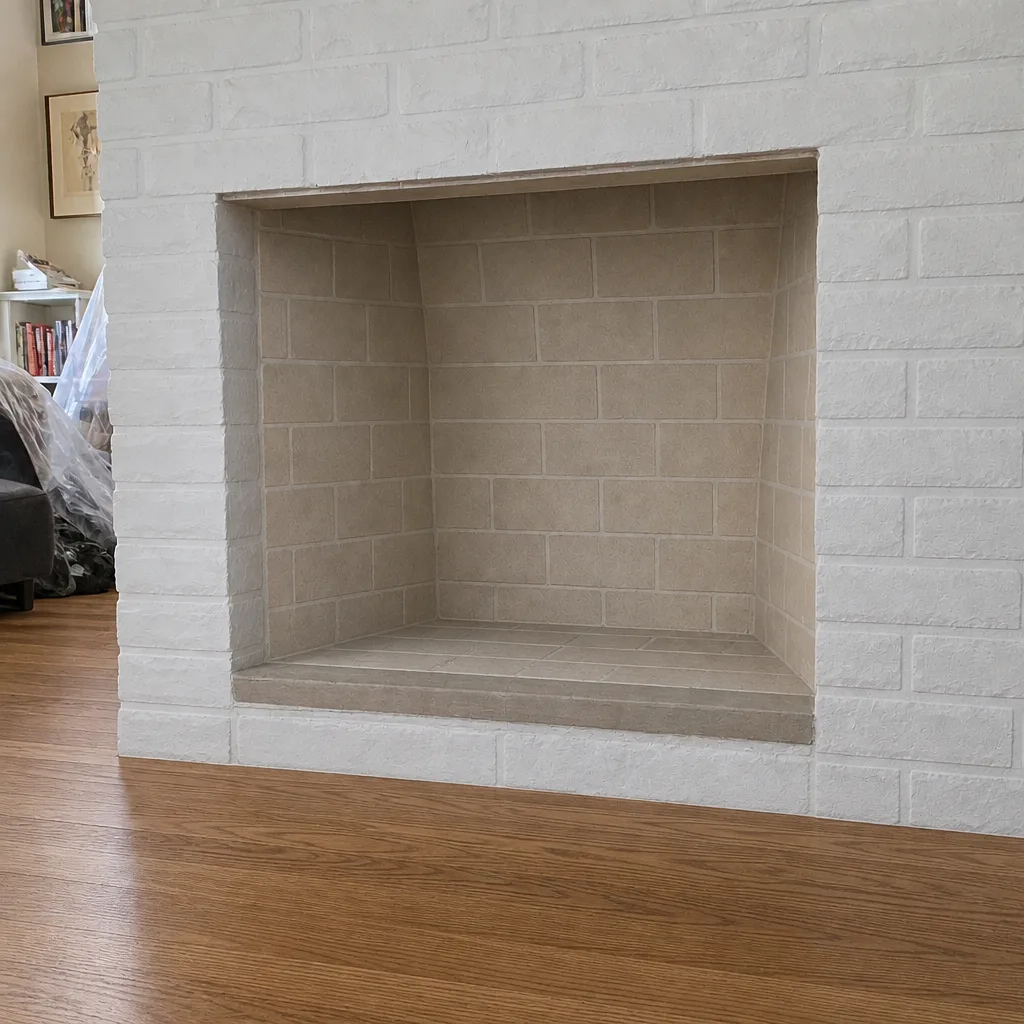
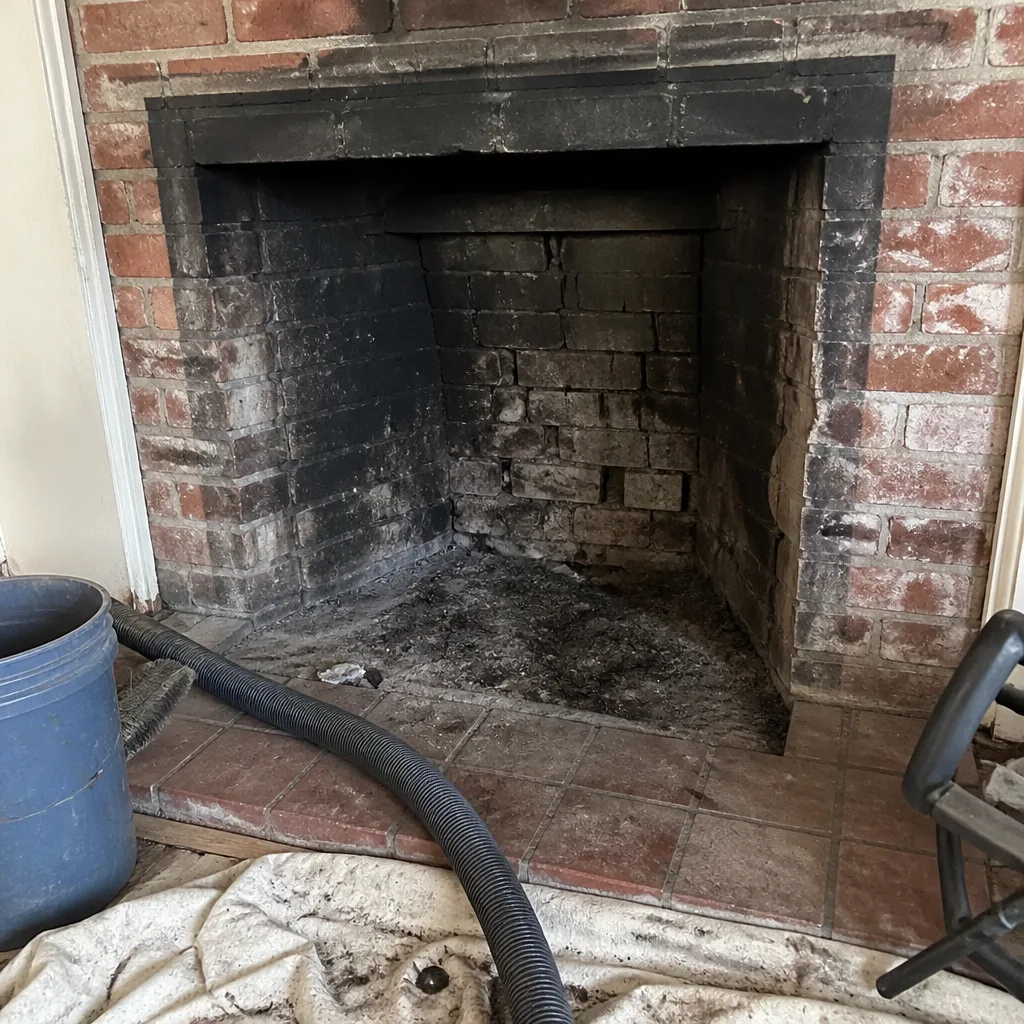
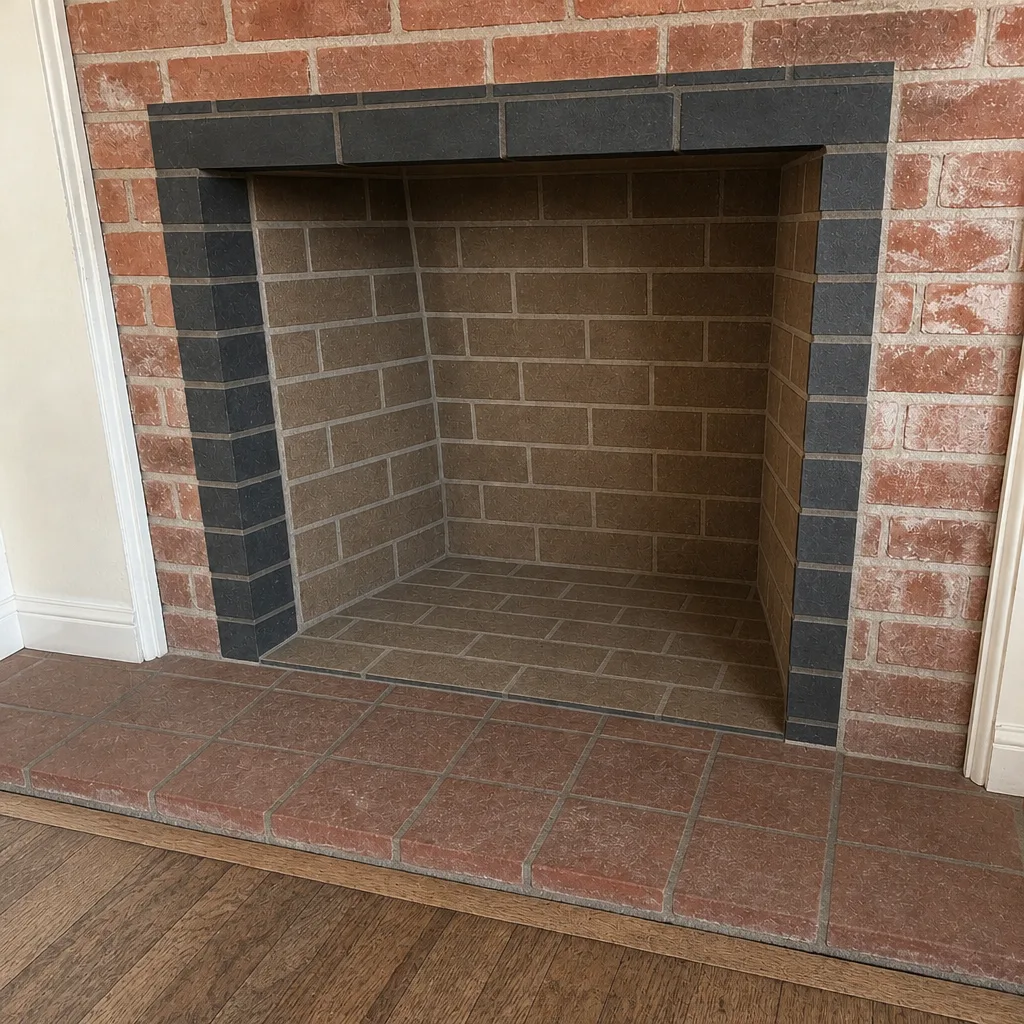
See the difference
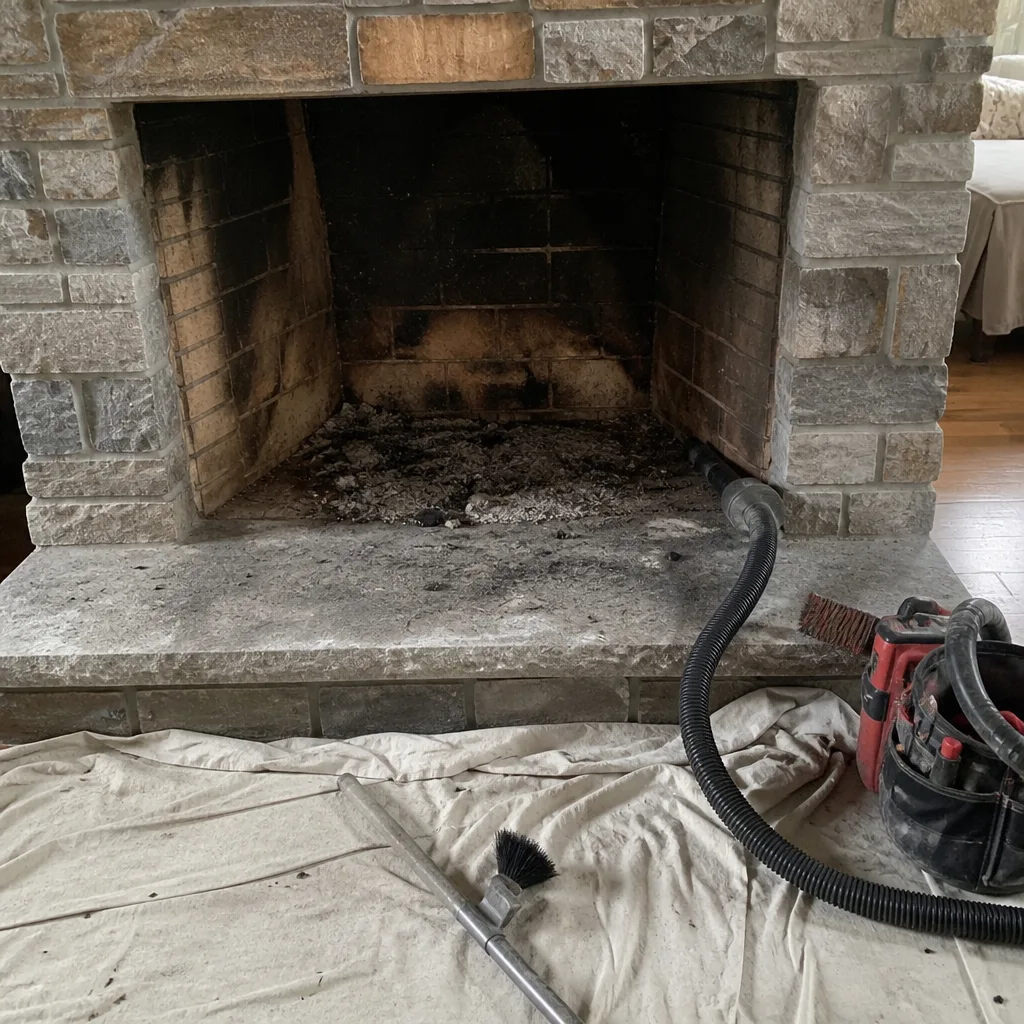 Before
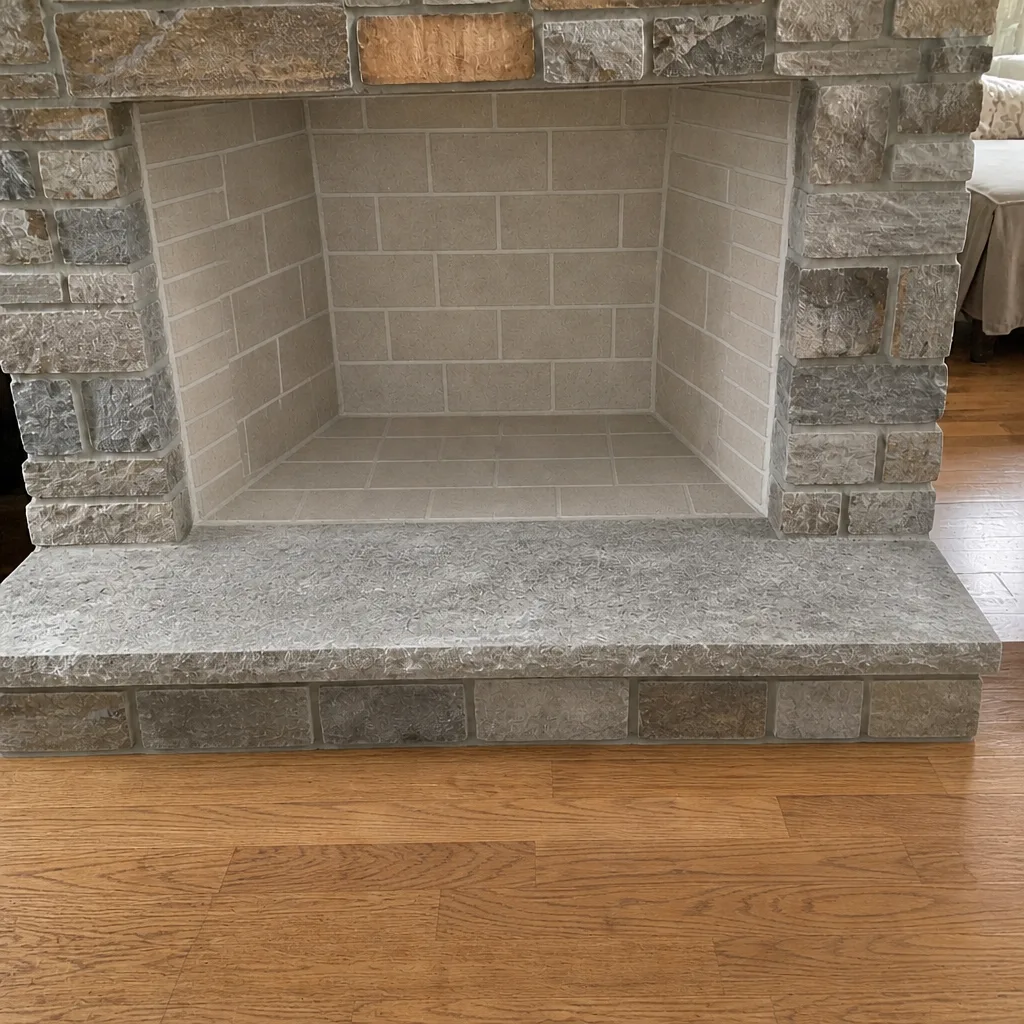 After
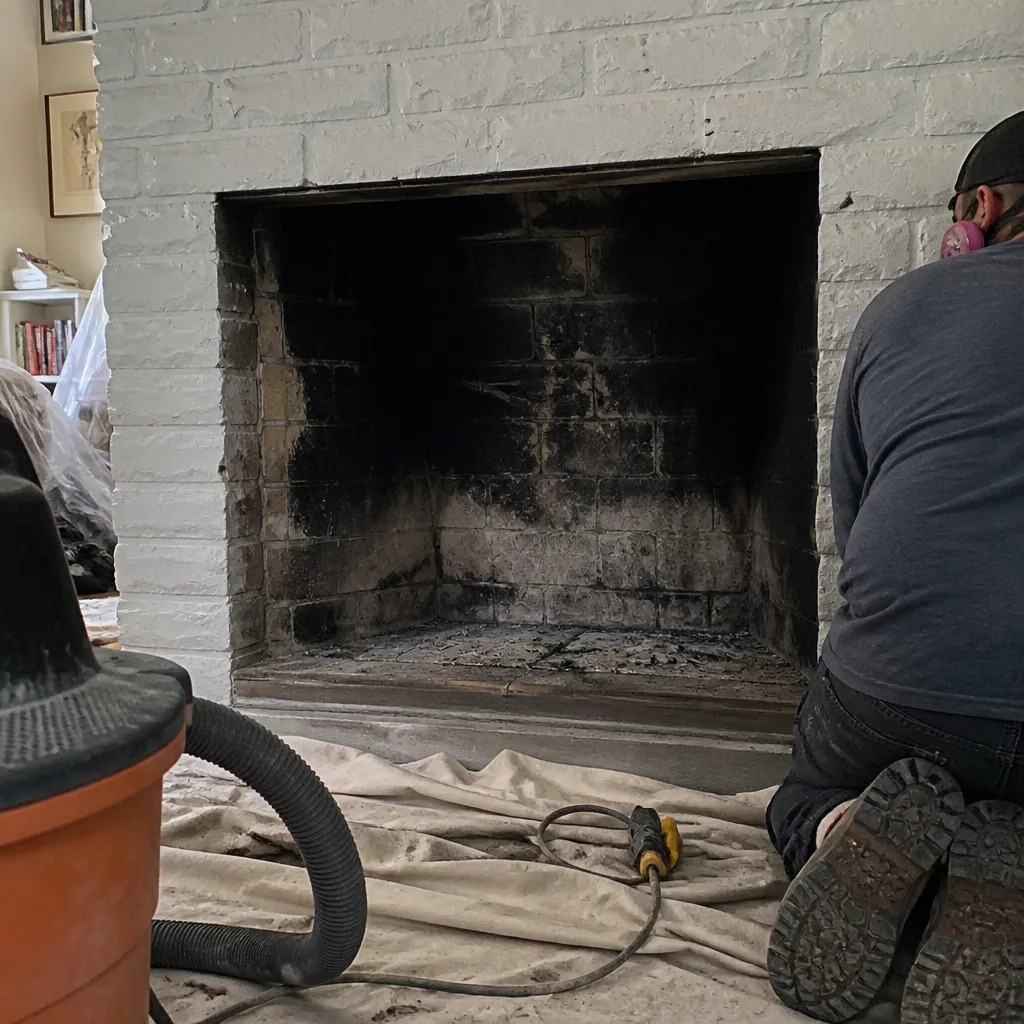 Before
 After
 Before
 After