
Last updated November 25, 2026
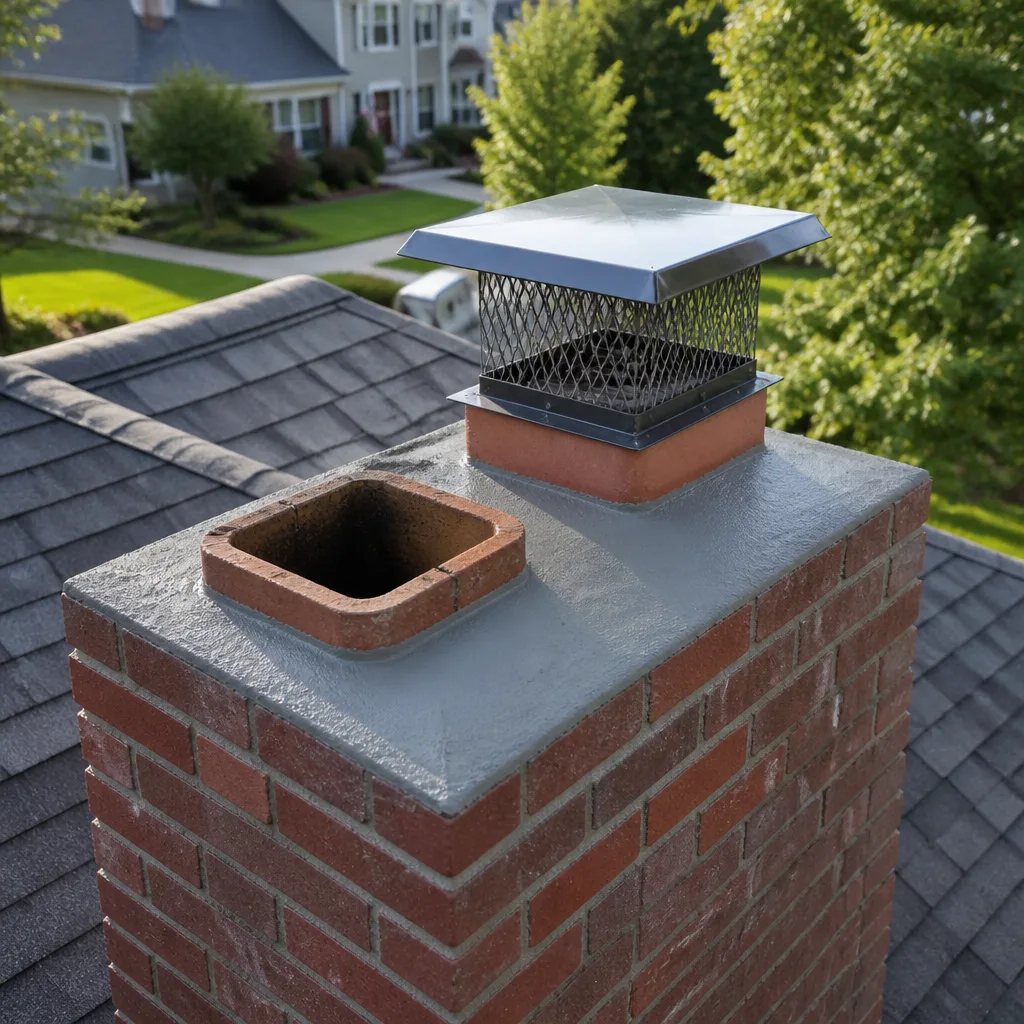 Sweep & inspection
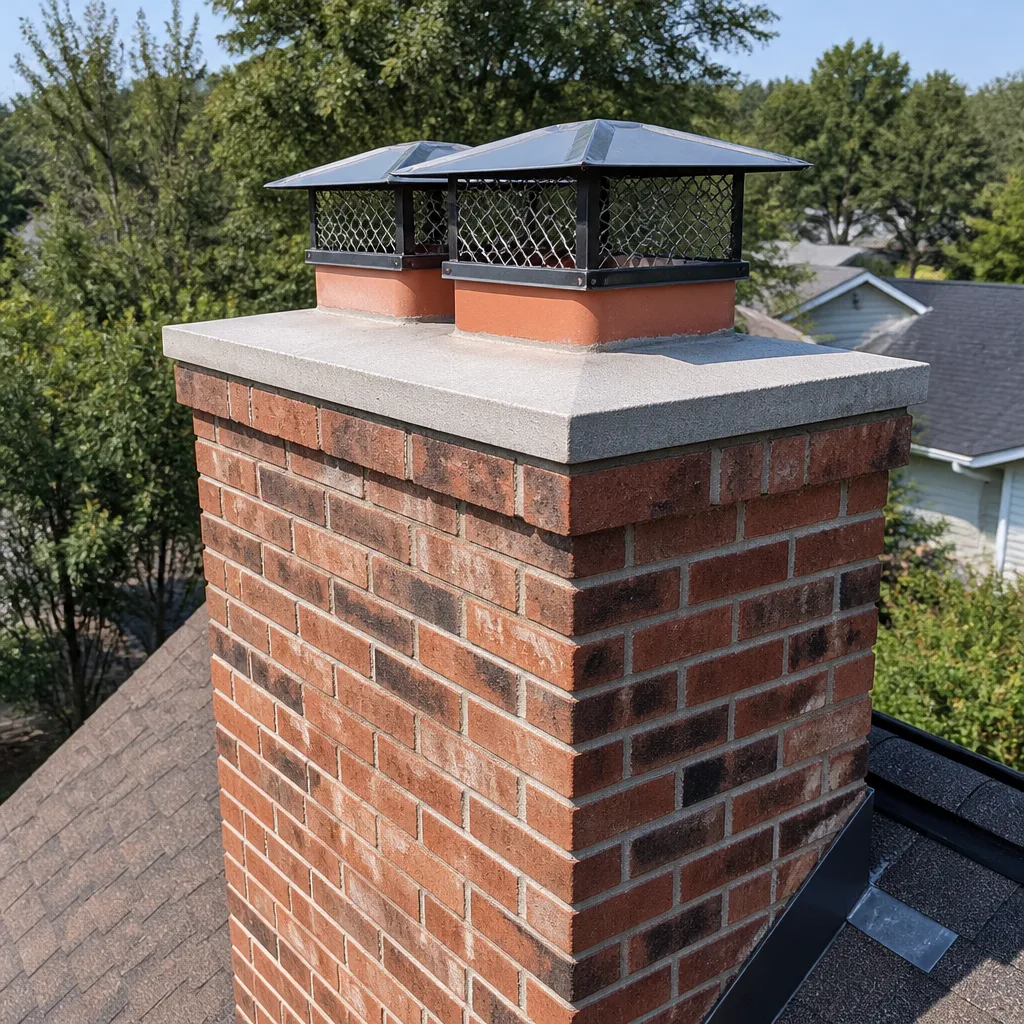 Caps & crowns
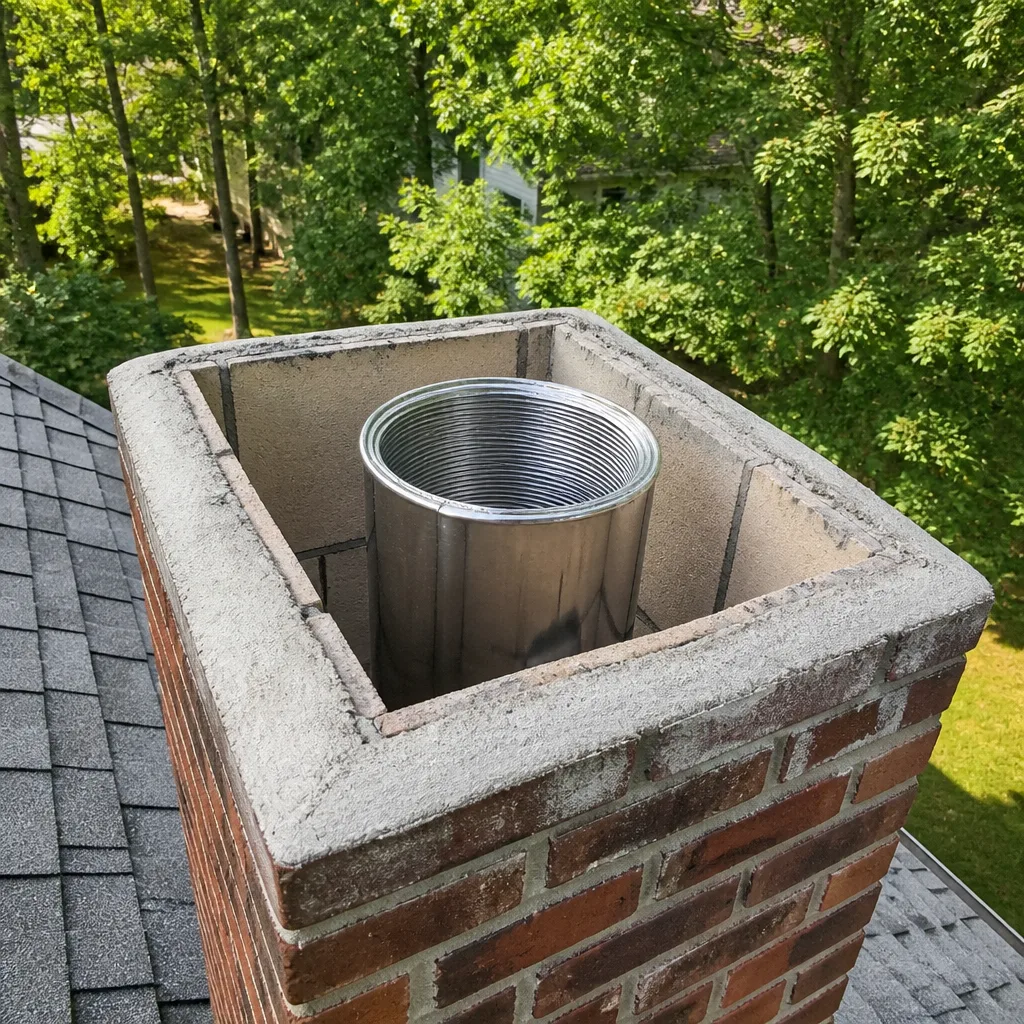 Flue relining
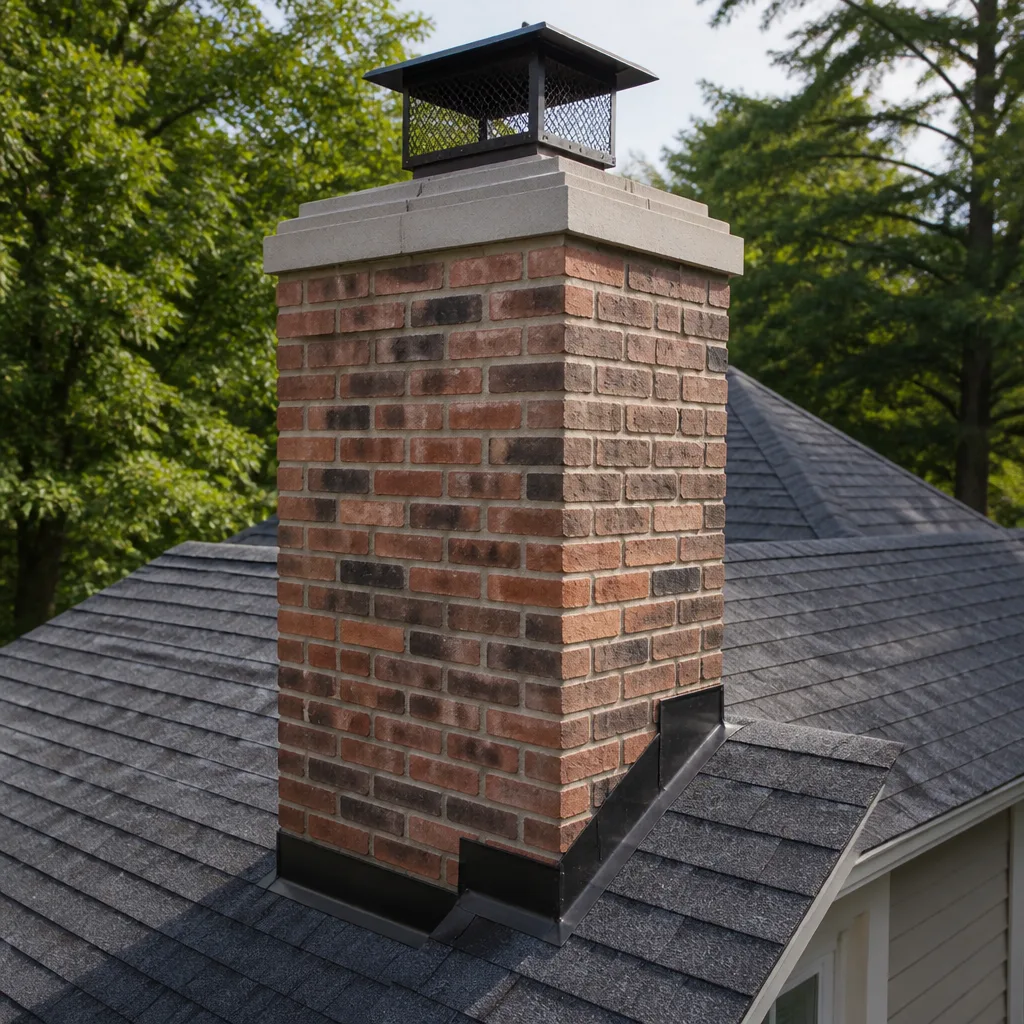 Masonry repair
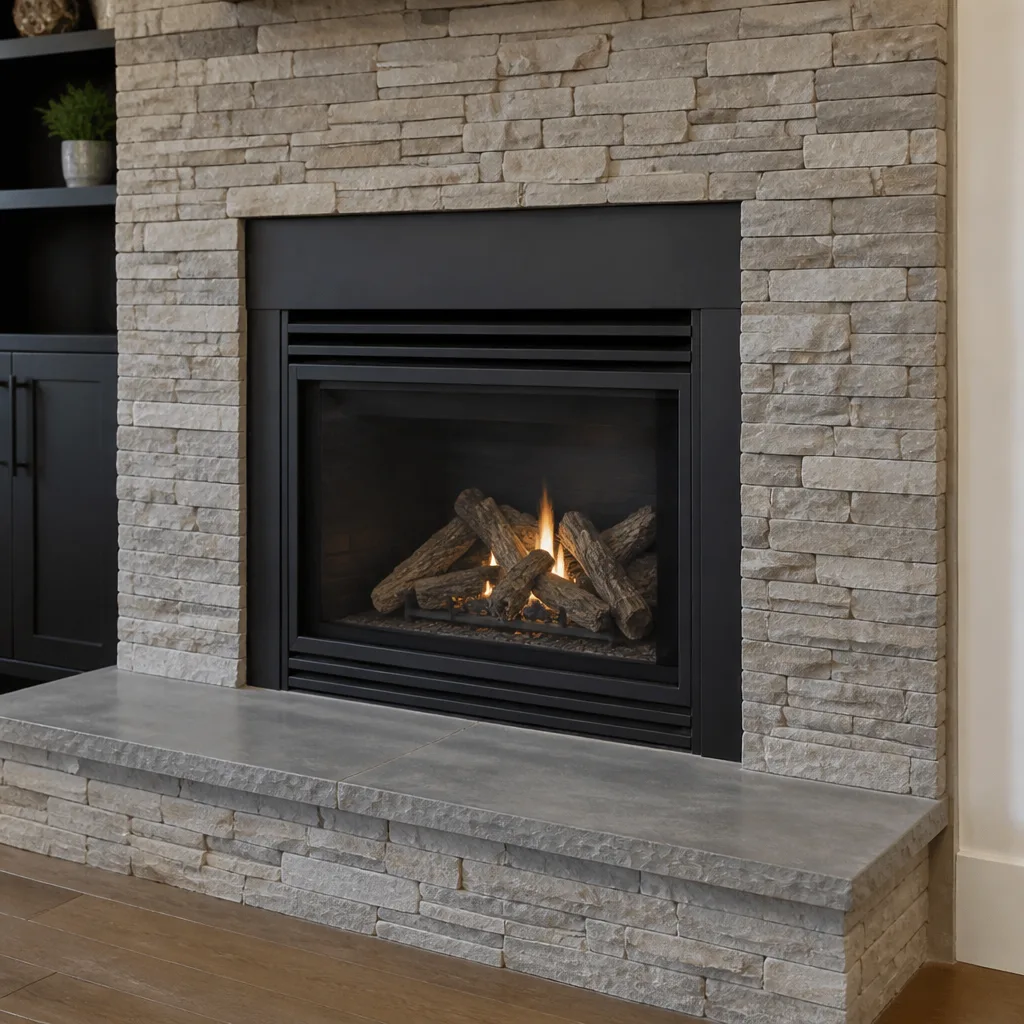 Gas fireplace service
Level 1 sweep and inspection to the NFPA 211 annual standard - flue, crown, cap, and flashing checked and photographed
Chimney sweep logs do not sweep chimneys. They loosen some creosote - which then falls where a brush and vacuum still have to collect it.
Chimney Cleaning Warning Signs: A Bellevue Homeowner’s Reference Guide
Most chimney warning signs are misread. Homeowners tend to file them into one of two buckets: harmless quirk, or cosmetic issue to get to eventually. That filing system is usually wrong. A strong smoke smell in a room with a closed damper isn’t a draft quirk, it’s one of the more reliable early indicators that your liner has a breach and combustion gases are being routed into your living space instead of up and out. White staining on exterior brick isn’t cosmetic, it’s water telling you where it’s been. This guide walks through the specific signals that reliably show up before the two chimney failures that actually matter: a flue fire and carbon monoxide intrusion. We’ll cover what each sign means, how to tell which problem you’re looking at, and when Bellevue homeowners should stop using the fireplace and call a specialist.
Styles & brands we work with
- Sweep & inspection
- Caps & crowns
- Flue relining
- Masonry repair
- Gas fireplace service
Quick Answer
The core warning signs of a chimney that needs cleaning or inspection are: a strong smoke or tar smell indoors, especially with the damper closed; white mineral staining on exterior masonry; oily or tar-like deposits inside the firebox; a corroded or sticky damper; and changes in the sound or airflow of the firebox itself. Any one of these is a reason to stop burning and get the chimney inspected. The last one, a change in sound or airflow, points to a partial liner collapse and is a stop-use-now signal, not a schedule-it-soon one.
Table of Contents
- The Smoke Smell Test: Draft Odor vs. Liner Breach
- What White Staining on Exterior Masonry Actually Means
- Oily or Tar-Like Stains in the Firebox: Stage 3 Creosote
- Why Your Damper Is Corroding: Reading the Sign Above It
- Sound and Airflow Changes That Mean Stop Burning
- Bellevue’s Seasonal Patterns and When to Schedule Cleaning
- What a Proper Chimney Inspection Actually Covers
- Common Mistakes to Avoid
- When to Call a Professional
- Frequently Asked Questions
- The Bottom Line
The Smoke Smell Test: Draft Odor vs. Liner Breach
Smoke smell indoors is the sign homeowners most often chalk up to “just how old chimneys work.” Sometimes that’s true. There is a real, benign draft odor that shows up when outdoor air pressure shifts faster than the chimney can equalize. But there’s a second, more serious version of the same smell, and the two have different tells. Learning to tell them apart before you call a specialist saves you either an unnecessary service visit or, worse, a season of burning with a compromised flue.
Draft-related smoke odor
Draft odor happens when the chimney is cold and the outside air is warmer, or when a strong weather front moves through and creates a pressure differential between the house and the chimney. It tends to appear at the start of the heating season, in the morning, or when the wind shifts direction. The smell is faint, it dissipates once the house warms up or a fire gets going, and it goes away entirely when the damper is open. Bellevue’s mild, damp winters and frequent pressure swings off the Cascades make this pattern fairly common here, especially in the shoulder seasons.
Liner-breach odor
A liner breach smells different. It’s stronger, it’s persistent, and it shows up even when the damper is closed and there’s been no recent fire. That last detail is the giveaway: if the smell is present with a closed damper and no active fire, combustion byproducts are finding a path into the living space that they should not have. That path is usually a crack, a gap at a flue joint, or a failed section of liner. In masonry chimneys, that’s often a deteriorated clay tile flue; in older homes with original construction, it can be a flue that was never lined in the first place. Either way, this is not a draft issue and it does not correct itself with a fire.
If you’re not sure which you’re smelling, don’t guess. A documented inspection will tell you exactly what’s going on in the flue. We offer Bellevue Chimney Sweep inspections as a standalone service, so you get the answer before anyone talks about repair. Some flues with minor deterioration can be restored rather than replaced, and HeatShield resurfacing for damaged flues is a service we handle directly. Others need a full reline. The difference is a camera inspection, not an opinion.
What White Staining on Exterior Masonry Actually Means
That chalky white haze on the outside of a chimney is called efflorescence, and it’s the exterior masonry equivalent of a smoke alarm. It happens when water gets inside the chimney structure, dissolves salts in the mortar and brick, and then migrates back out through the surface, leaving the salt behind as a white deposit. The stain itself is harmless. What it’s telling you about water migration is not.
Why water inside a chimney matters
Masonry is porous. Water that enters through a failed crown, a missing or damaged cap, or cracked mortar joints doesn’t stay on the surface. It moves into the brick and mortar, and in Bellevue’s climate it does that repeatedly through the wet fall, winter, and spring. Then a freeze event arrives, the trapped water expands, and mortar joints begin to spall and crack. Each cycle widens the opening and lets more water in. Over a few seasons, what started as a stained chimney exterior becomes a structural issue with the flue itself.
Where the water is coming in
Efflorescence on a chimney usually traces back to one of a handful of causes:
- A failed crown. The crown is the sloped concrete cap at the top of the chimney. When it cracks, water runs straight down into the flue and masonry.
- A missing or undersized cap. Without a proper mesh cap over the flue opening, rain enters directly. So do birds and squirrels, which nest in flues and block them.
- Failed mortar joints. Cracked or recessed mortar between bricks lets wind-driven rain in vertically and horizontally.
- Spalling brick faces. When the face of a brick pops off, the inner material is exposed and much more absorbent.
All of these are chimney cap & crown territory. Repairing them means addressing the water source, then restoring the masonry surface. What we do not recommend is sealing the outside without fixing the cause. Sealing a chimney that’s still taking on water just traps the moisture inside and makes the freeze damage worse.
Oily or Tar-Like Stains in the Firebox: Stage 3 Creosote
Creosote is the residue that forms when wood smoke cools against a flue surface. It starts as a light, fluffy deposit, then progresses through stages as more deposits stack on top. By the time it reaches stage 3, it looks like tar or glaze, and it’s bonded hard to the flue wall. If you’re seeing oily or tar-like streaks inside the firebox itself, or a glazed, shiny surface on the flue as far up as you can see, you are looking at a chimney that has moved beyond routine chimney sweep territory.
The three stages, briefly
- Stage 1. Soot and light flake that brushes off easily. This is what a normal sweep removes.
- Stage 2. A harder, crusty deposit. Still removable, but requires more mechanical effort.
- Stage 3. A glazed, tar-like coating that looks slick or oily. This is the flammable stage, and it’s the one associated with flue fires.
The reason stage 3 creosote matters so much is that it’s dense, it clings to the flue wall, and it ignites at relatively low temperatures compared to a normal fire. A single hot burn, or a pan fire in the fireplace, can be enough to light it. Standard brush cleaning is insufficient at this stage because brushes pass over glazed deposits rather than removing them. Getting rid of it usually means chemical treatment paired with mechanical removal, or in some cases relining if the flue surface has been damaged. Our technicians have up to 11 years of experience and see this pattern often in Bellevue, particularly with homes burning unseasoned wood or restricting air flow too tightly to try to stretch a fire.
If your firebox smells like an old tar roof or you’re seeing that glazed look, stop burning. This is not a “get to it this spring” situation.
Why Your Damper Is Corroding: Reading the Sign Above It
The damper is the metal plate at the top of the firebox that opens and closes the flue. When it starts to rust, stick, seize, or flake, homeowners usually assume it’s just old hardware that needs some oil. Sometimes it is. But a corrosing damper is very often a downstream indicator of a problem above it, and by the time the damper is failing, the real issue has been active for a while.
Why the water gets in
Water enters a Bellevue chimney through three routes: the top, the sides, and condensation. The top is the most common. A failed crown and a missing or damaged cap let rain fall straight into the flue. That water runs down to the damper, pools on it, and sits there between burns. Over a few seasons, the damper rusts through.
The domino chain looks like this:
- The crown cracks or the cap goes missing.
- Rain enters the top of the flue.
- Water runs down and reaches the damper assembly.
- The damper rusts, sticks, or seizes.
- The damper no longer seals when shut, so cold air and outdoor smells enter the living space every hour the fireplace is idle.
The lesson here is that a sticking damper is often the cheapest signal in the house. It’s telling you about the crown and cap up top, which are much cheaper to repair than the damage that would follow if the water kept coming for another few years. It’s also a good moment to look carefully at the flue itself, because water that’s been running down to the damper has been running against the flue liner too. Our fireplace repair work covers everything from damper replacement to firebox masonry, and it always starts with a look at what’s above.
Sound and Airflow Changes That Mean Stop Burning
Most warning signs on this page give you some time. This one doesn’t. A partial liner collapse shows up as a change in how the firebox sounds and how airflow behaves, and it is not a “schedule it soon” situation. It’s a stop-use-today situation. That’s because a collapsed liner section can block part of the flue, force exhaust into the living space, or leave sharp edges and broken tiles hanging inside the flue that could fail further. Carbon monoxide risk from a partially blocked flue is real and it’s immediate.
What to watch for
- Smoke rolling back into the room rather than rising cleanly up the chimney, especially with a well-established fire and an open damper.
- A change in the sound of the draft. A fire that used to pull with a steady roar now sounds uneven, weak, or gurgling.
- Rattling or scraping sounds from inside the flue, especially during a fire.
- Visible chunks or flakes of clay tile landing on the damper or smoke shelf, which are pieces of the liner that have come loose.
- Poor draft that’s gotten worse over a season, even after opening the damper fully and warming the flue.
If any of these appear, put out the fire safely and do not light another one. Carbon monoxide is colorless and odorless, so if anyone in the household is also experiencing headaches, nausea, or dizziness when the fireplace is in use, get everyone to fresh air and call for help before you call a chimney specialist. Once the immediate concern is handled, an inspection with a camera will show exactly what’s going on inside the flue. If the liner has partially failed, ours is a DuraFlex liner system installation we handle directly. We don’t subcontract the most structurally critical work.
Bellevue’s Seasonal Patterns and When to Schedule Cleaning
Chimney problems in Bellevue follow the local climate in specific ways. The city’s winters are wet and mild rather than deep-freeze, and the shoulder seasons are long. That means two things for any homeowner reading this guide. First, water intrusion is the year-round threat; the wet fall, winter, and spring give masonry months of sustained moisture exposure, so crowns, caps, and mortar joints take a beating. Second, the freeze events we do get, usually in late fall or early winter, do the concentrated damage. Water migrates into the masonry over the wet seasons, and then a hard freeze pushes that water apart. By the time spring arrives, a hairline crack in the crown from October has opened into something that’s routing water into the flue.
The practical cleaning rhythm
- End of the burn season, late spring. Get a sweep and inspection done after the last fire. This is the best time to catch season-over damage before warm weather hides the issue. It also means the chimney is clean and dry through summer, when creosote odors get worse with humidity.
- Before the first burn of fall. If you skipped the spring visit, get a cleaning and inspection done before the fireplace goes back into service. You want to know the flue is clear before you rely on it.
- After any unusual event. A chimney fire, a windstorm that took something off the roof, an earthquake you felt, or a persistent odor change all justify an inspection regardless of the calendar.
The Bellevue housing stock has its own quirks worth knowing. Many mid-century homes in neighborhoods like Bridle Trails, Lake Hills, and Crossroads have chimneys built before modern liner standards were tightened, and the original flue tile in those homes is at an age where inspection actually matters rather than being a formality. Newer builds in areas like Somerset and Newport Hills tend to have better-lined flues but are more likely to have factory-built fireplaces where the cap and crown work is the vulnerable point. In both cases, the underlying answer is the same: get eyes on the flue before something gets worse.
What a Proper Chimney Inspection Actually Covers
If you take one thing from this guide, make it this: the value of a chimney inspection is not in having someone look at the fireplace opening from the couch. It’s in a documented camera pass down the entire flue, from the top of the chimney to the damper, with evidence the homeowner can see. Anything short of that leaves the most common warning signs unread.
The checklist
- Exterior. Crown condition, cap and spark arrestor, flashing at the roofline, mortar joints, brick faces, and any efflorescence or spalling.
- Firebox. Masonry condition, damper operation, and evidence of glaze, oily deposits, or stage 3 creosote.
- Smoke chamber and damper frame. Corrosion, gaps, and any signs of water damage.
- Flue interior. A camera pass through the full length, looking for cracks, gaps, offset joints, spalling, and any debris or nesting material.
- Top of chimney. Cap fit, crown slope, flue tile condition, and the screen condition around the cap.
- Documentation. Photos and notes on what was found, whether repair is needed now, and whether it can wait.
The last point matters most. A chimney that’s showing warning signs has to be sorted into two boxes: fix it now, or safe to wait. Skip-day economics shouldn’t dictate that call; the camera should. If the flue is sound and the only issue is a worn cap, we say so and you can schedule it for a convenient time. If there’s a liner breach, we show you the photo of the breach. Bellevue Chimney Sweep offers standalone inspections with no requirement to book repair, and inspections use camera documentation with photo evidence included. You see what we see.
Common Mistakes to Avoid
- Burning through a smoke smell indoors. If the fireplace smells like smoke with a closed damper and no fire, that’s not a chimney that needs to “warm up.” It’s a signal something’s wrong in the flue, and lighting a fire pushes more combustion gases toward the breach, not away from it.
- Treating stage 3 creosote like normal soot. A standard brush will pass right over glazed, tar-like deposits. If the firebox has that oily sheen, you need a specialist assessment, not a routine sweep. Bellevue’s damp shoulder seasons make creosote sticky and harder to remove, which makes the diagnosis more important, not less.
- Sealing the exterior without fixing the source. Waterproofing the outside of a chimney is fine after the crown and cap are addressed. Doing it first traps moisture inside the masonry through freeze cycles and accelerates the spalling damage you were trying to prevent.
- Ignoring a stuck damper. A seized damper is often the first sign of water intrusion that’s been going on for a while. Treat it as an inspection trigger, not a hardware nuisance.
- Waiting out a liner-collapse signal. If the firebox sounds different, smoke rolls back into the room, or clay tile flakes show up on the damper, stop burning and get the flue inspected. This is the one warning sign on this page that has no “wait a month” option.
- Assuming newer construction is safe from these issues. Bellevue homes built in the last few decades still have caps, crowns, and fireboxes, and those are exactly the components that fail first. Factory-built fireplaces have their own service rhythm and shouldn’t be skipped.
- Skipping the annual inspection after a mild winter. A Bellevue winter can be mild and still do the damage, because the moisture accumulates over months and a single freeze does the concentrated harm. Mild seasons don’t mean the crown stayed intact.
When to Call a Professional
Call a specialist if you’re seeing any single warning sign on this page, but a few situations are more urgent than the rest. A persistent smoke or tar smell with a closed damper, a change in airflow or sound from the firebox, or any visible flakes of clay tile on the damper are stop-burning situations, and they warrant a call today. White staining on exterior masonry, a corroding damper, oily deposits in the firebox, or a lost cap warrant a call this week. All of these situations benefit from an inspection with photo documentation before anyone talks about repair, which is exactly how Bellevue Chimney Sweep runs its standalone inspections. Free estimates are available. Call (844) 625-7326. We answer 24/7. Fast dispatch from 7am to 7pm, Sunday through Friday.
Frequently Asked Questions
Once a year is the standard answer for a chimney that’s used regularly, and Bellevue’s wet climate makes that rhythm worth keeping for the annual inspection alone. If you only burn occasionally, the inspection matters more than the sweep, because the inspection catches crown and liner issues that don’t care whether the fireplace was used this year. Call (844) 625-7326 for an exact quote on a sweep, and estimates are free.
A smoke smell in the house with a closed damper and no fire is a strong indicator of a liner breach or gap that’s letting combustion gases into the living space. It’s different from a draft odor, which appears when the chimney is cold, dissipates with use, and goes away with the damper open. A breach-related smell is persistent and doesn’t go away on its own. Call (844) 625-7326 for an inspection, and estimates are free.
The white staining itself (efflorescence) is harmless, but it’s a reliable signal that water is migrating through the chimney structure. That water causes the damage that eventually matters: freeze-thaw spalling of mortar and brick, cracking of the flue, and rot at the damper. It’s a call-and-inspect situation, not an emergency, unless it’s combined with airflow changes or indoor smoke smell. Call (844) 625-7326 to schedule an inspection, and estimates are free.
No, not safely. Stage 3 creosote is glazed and bonded to the flue wall, and brushing it from the firebox end doesn’t remove it. It also requires proper containment because removing it releases a fine, flammable dust, and the flue needs to be verified sound before any of it is disturbed. This is a trained-technician job. Call (844) 625-7326 to schedule an assessment, and estimates are free.
They serve different jobs. The crown is the sloped concrete at the very top that sheds water away from the flue. A cap is the hooded cover with a screen over the flue opening that stops rain, birds, and squirrels from getting in. A home can have a perfectly sloped crown and still need a cap, and vice versa. Most chimneys that show warning signs are missing one or both. Call (844) 625-7326 for a free estimate on cap and crown work.
If the flue is sound and the creosote is light, skipping one season is usually not a crisis. If creosote has been accumulating for several seasons, or if the warning signs on this page are already present, skipping the year lets a small problem get more expensive. A hairline crown crack becomes masonry repair; a stage 2 deposit becomes stage 3 and a liner assessment; a small liner gap becomes a full reline. The inspection is what tells you which of those two situations you’re in. Call (844) 625-7326 for a documented assessment, and estimates are free.
The Bottom Line
Chimney warning signs are readable if you know what you’re looking at. A smoke smell with a closed damper, white efflorescence on the exterior brick, oily creosote in the firebox, a corroding damper, and a change in how the firebox sounds all point to distinct problems, in ascending order of urgency. The last one, a change in sound or airflow, is a stop-use-now signal. Everything else is a call-and-inspect-this-week signal. The one constant is documentation: a camera inspection with photos is what turns a warning sign into a decision, whether that decision is “repair now” or “safe to wait.” Our technicians have up to 11 years of experience, we use professional-grade materials from DuraFlex, HeatShield, Gelco, Olympia Chimney, Famco, and Copperfield, and we tell you exactly what we find.
If you’re reading this because something on the list already matches what you’re seeing, the honest answer is that you’re better off getting it looked at than guessing. Call Bellevue Chimney Sweep at (844) 625-7326 for a free estimate. We answer 24/7. Fast dispatch from 7am to 7pm, Sunday through Friday. A free estimate costs nothing, and a documented inspection gives you the one thing most homeowners are missing: clarity on what’s actually going on inside your flue.
Written by the team at Bellevue Chimney Sweep.
See the difference
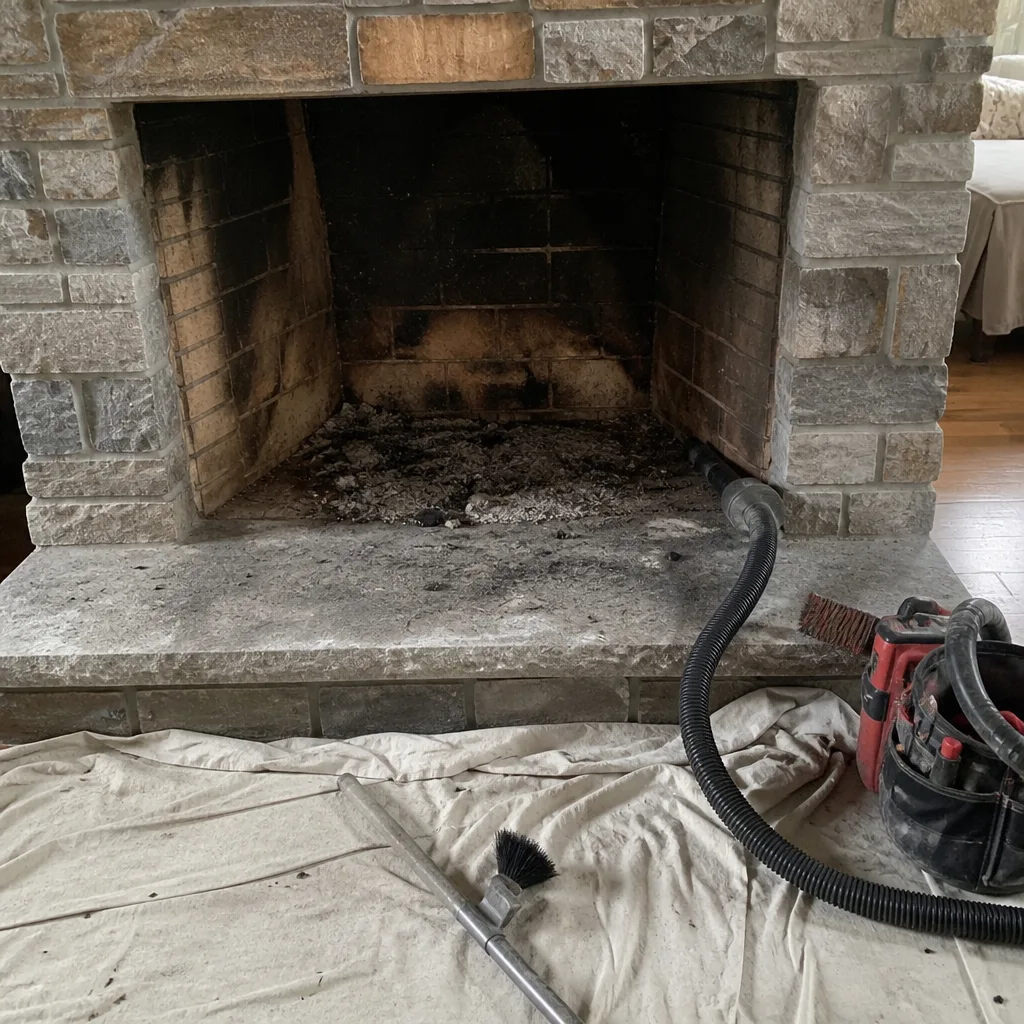 Before
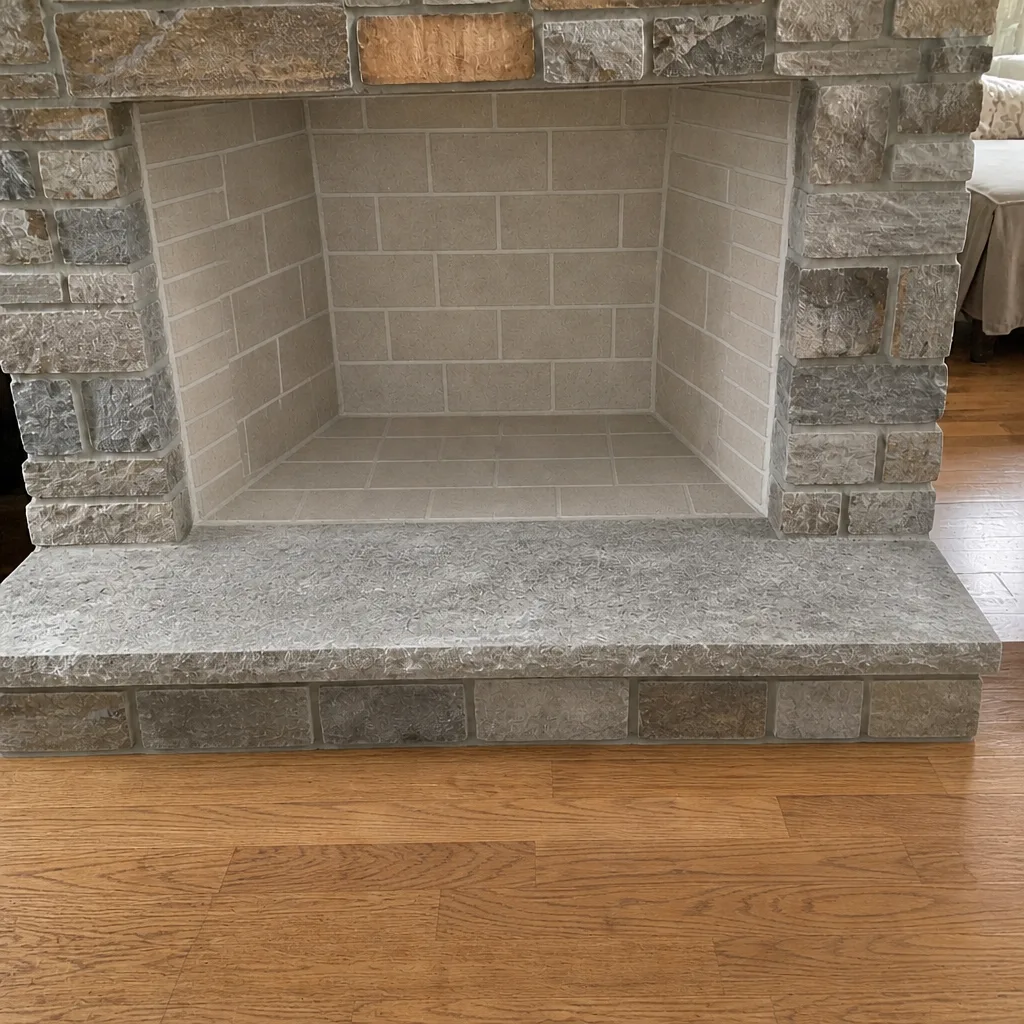 After
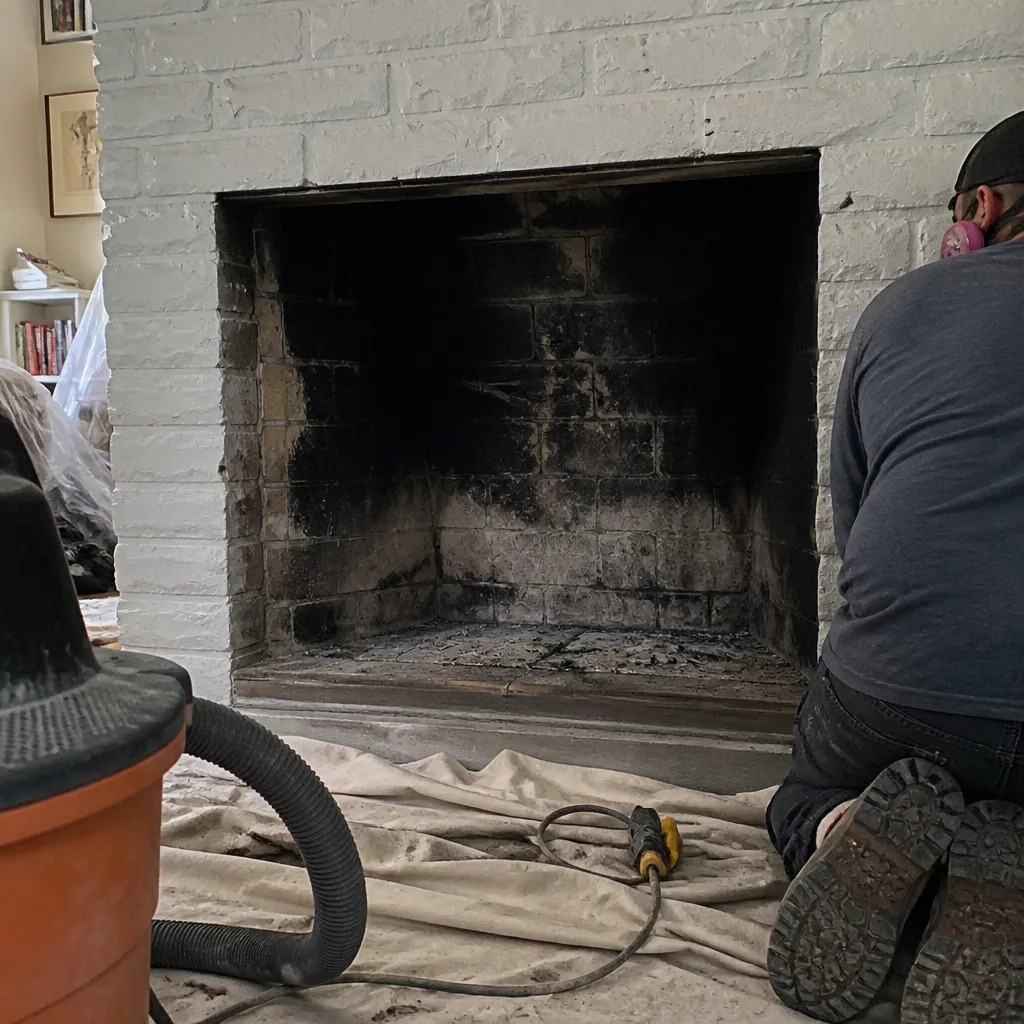 Before
 After
 Before
 After