
Last updated November 25, 2026
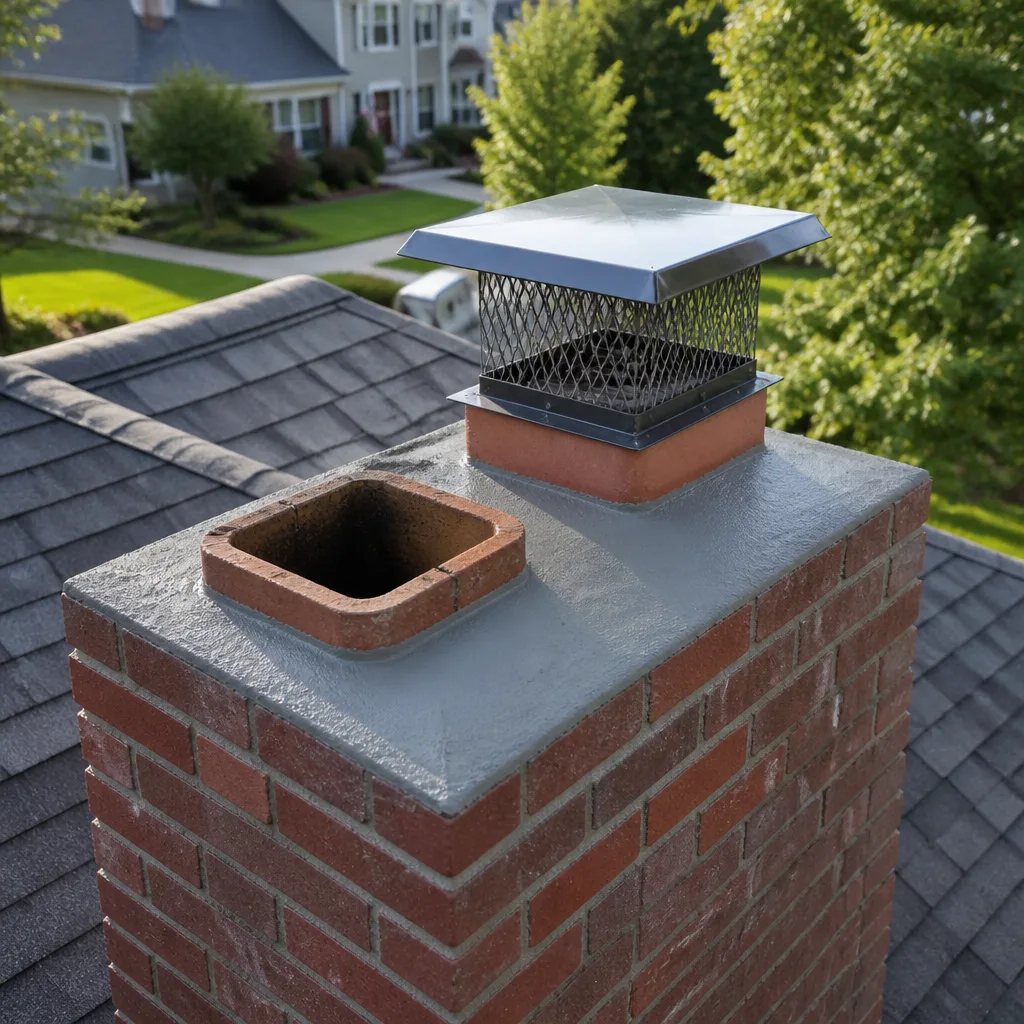 Sweep & inspection
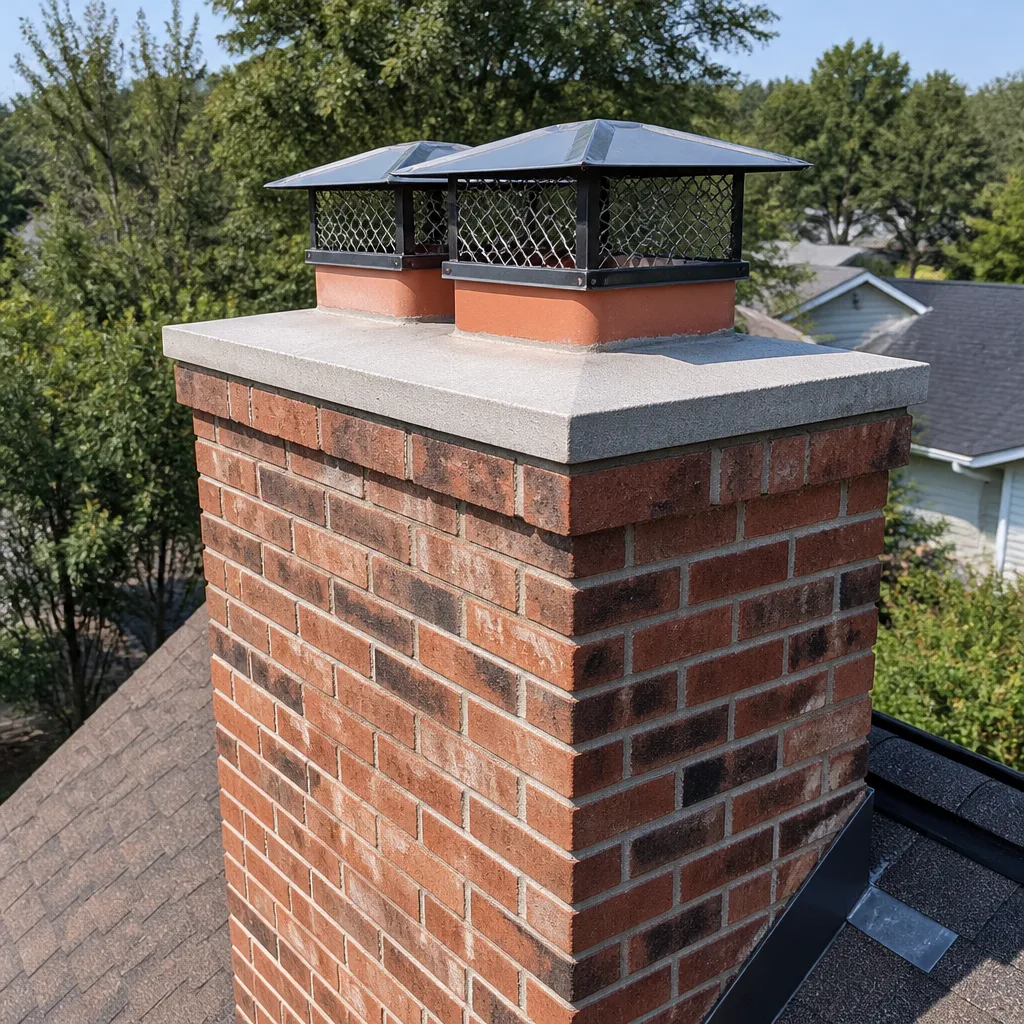 Caps & crowns
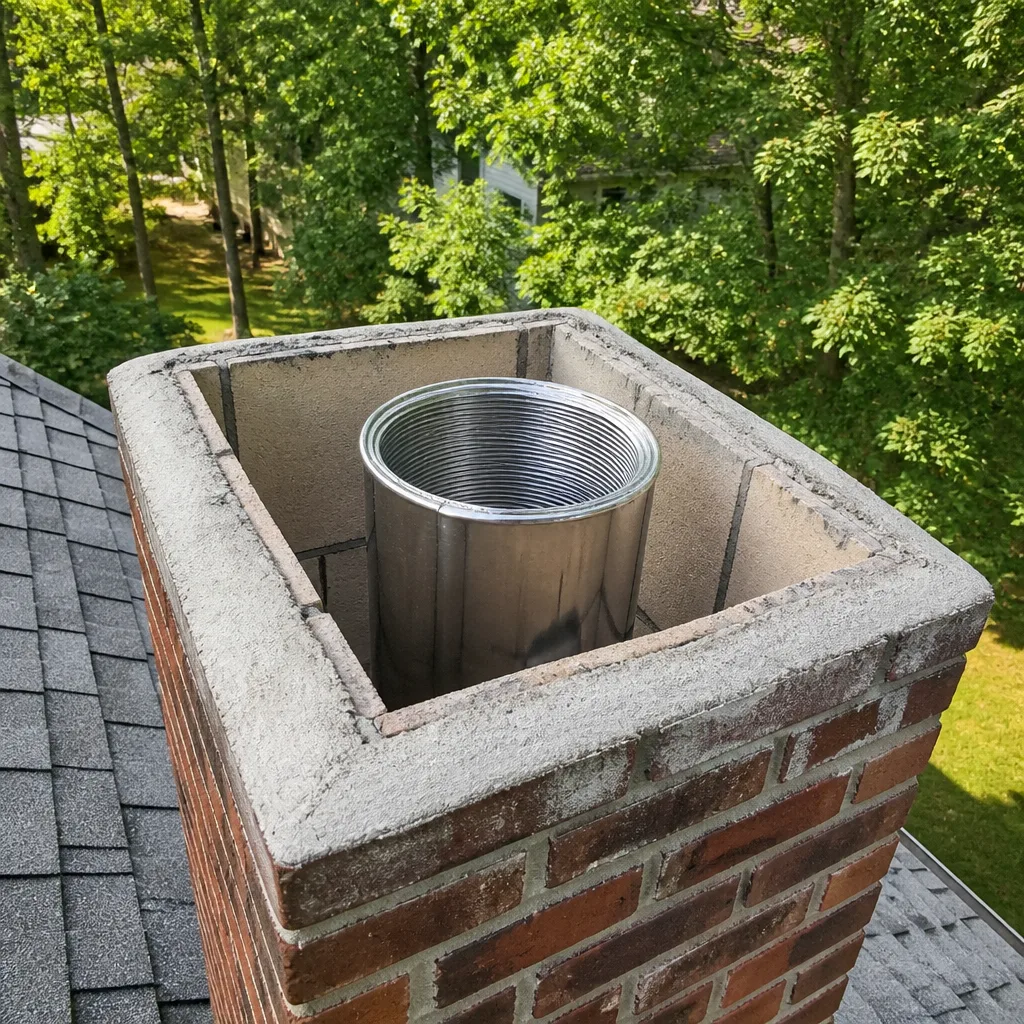 Flue relining
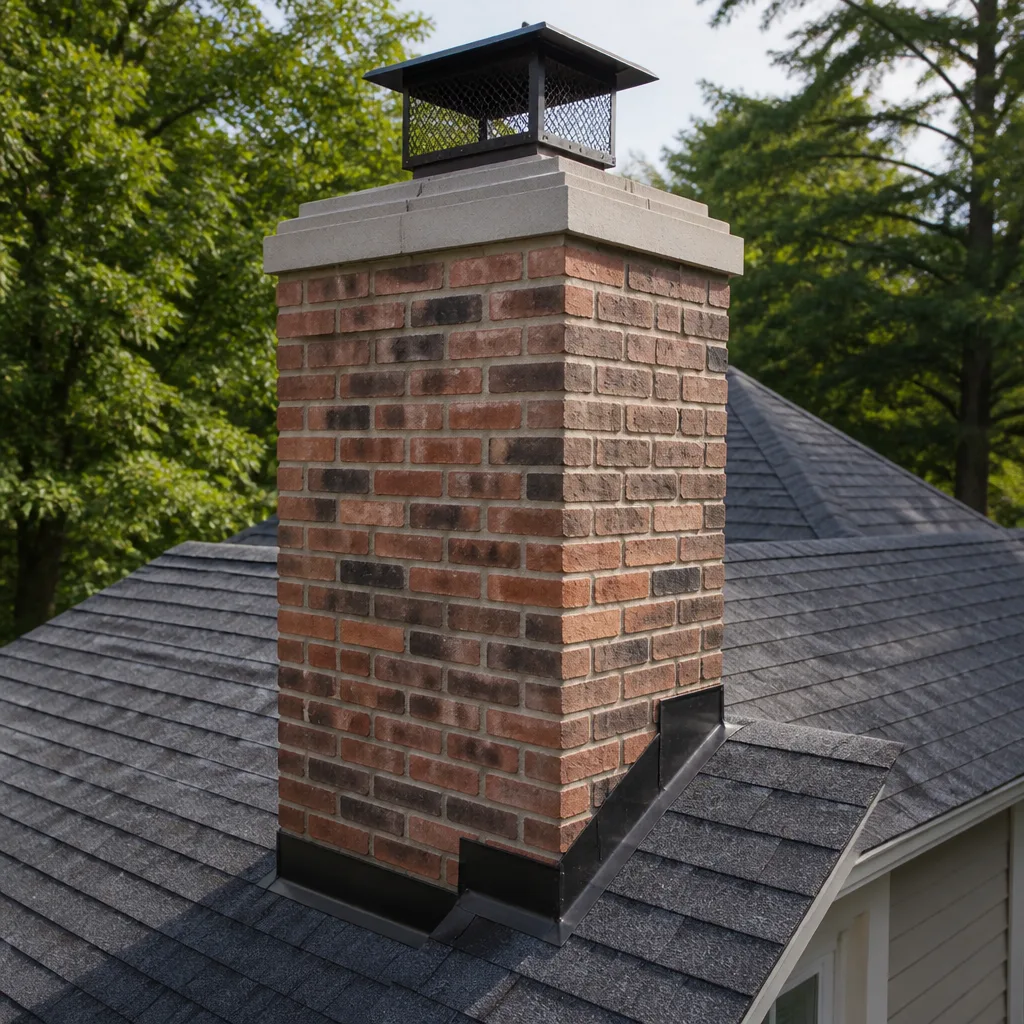 Masonry repair
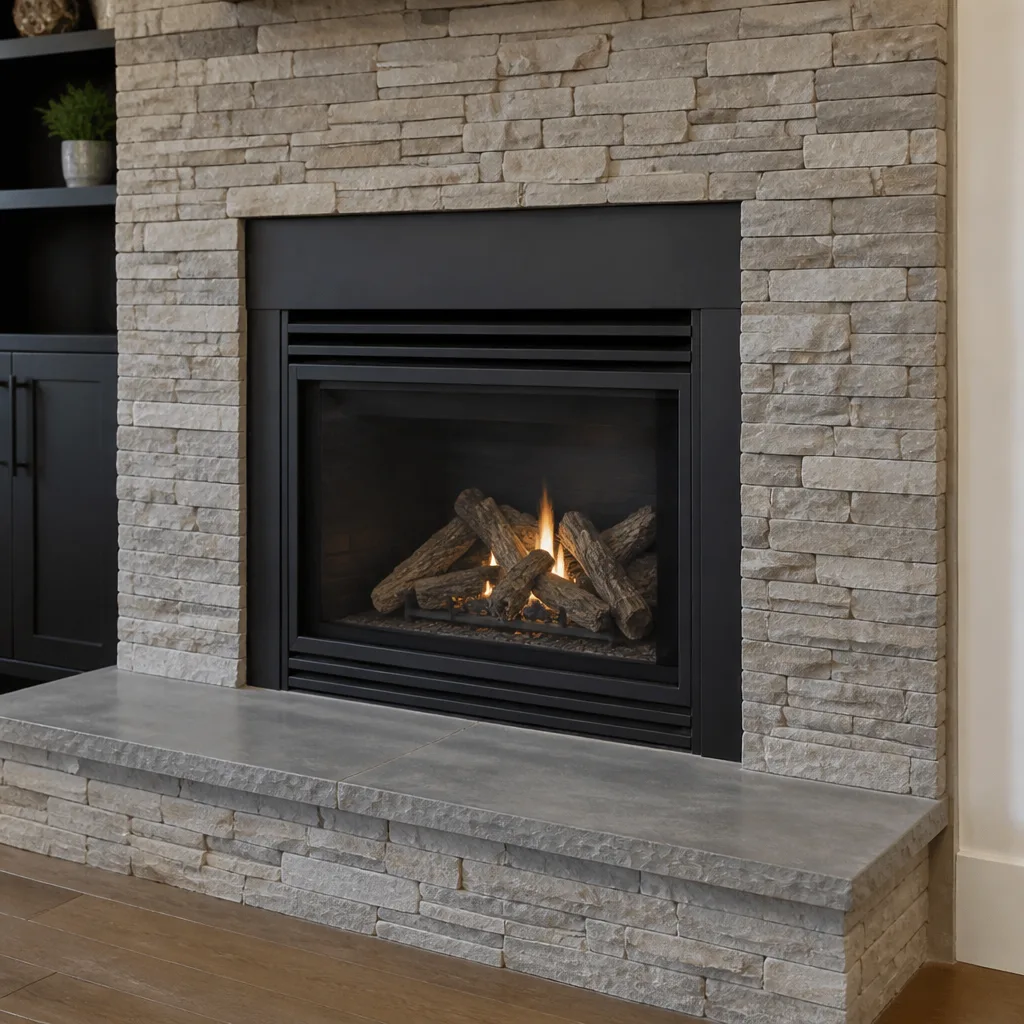 Gas fireplace service
Level 1 sweep and inspection to the NFPA 211 annual standard - flue, crown, cap, and flashing checked and photographed
Chimney sweep logs do not sweep chimneys. They loosen some creosote - which then falls where a brush and vacuum still have to collect it.
DIY vs Professional Chimney Cleaning: The Bellevue Homeowner’s Decision Guide
You can do a genuinely good job of getting the soot out of your flue and still have a chimney that isn’t safe to use. That’s the part of the DIY debate most articles skip. The visible deposit is the easy problem. The one that actually matters is often the condition of the liner behind that deposit, and that’s what a brush alone can’t tell you. This guide is for Bellevue homeowners weighing a Saturday on the roof against hiring a specialist. We’ll walk through what a DIY cleaning can and can’t see, when doing it yourself is a reasonable hold-over, the real equipment math nobody prints, and the maintenance habit that’s genuinely yours to own.
Quick Answer
Professional chimney cleaning is the right call when your system is older or has a clay-tile liner, when you’ve never had a documented inspection, when you burn regularly, or when you’re buying or selling a Bellevue home. A DIY brush-and-rod cleaning is only a reasonable interim measure on a sound, recently inspected system with light creosote and no known liner problems. Cleaning on its own removes deposits; it does not assess the liner, the crown, the cap, or the flue joints, which is where the real hazards usually sit.
Styles & brands we work with
- Sweep & inspection
- Caps & crowns
- Flue relining
- Masonry repair
- Gas fireplace service
Table of Contents
- What a DIY Cleaning Can and Can’t Assess
- When DIY Cleaning Is a Reasonable Interim Measure
- When DIY Cleaning Is Actively Insufficient
- The Real Equipment Math: DIY Kit vs. One Professional Visit
- How Insurance and Warranties Treat Systems Without Inspection Records
- Can a Chimney Be Cleaned and Inspected in One Visit?
- The Part of Chimney Care That’s Genuinely Yours
- How to Choose a Chimney Specialist in Bellevue
What a DIY Cleaning Can and Can’t Assess
A brush-and-rod kit can remove loose soot and light creosote from the flue walls it can reach, and on a clean-burning, regularly maintained system with a sound liner it can do that reasonably well. What it cannot do is tell you whether the flue behind that deposit is still intact. That’s a real capability gap, not a marketing line.
Here’s the honest split.
A DIY brush can:
- Knock down loose soot and light, flaky creosote on the flue walls.
- Clear a straight flue run it can physically reach with the rods.
- Sweep the smoke shelf and damper area above the firebox if the geometry allows.
A DIY brush cannot:
- Reach glazed, third-degree creosote, which fuses to the flue wall and needs a rotary system to break down.
- Inspect the full liner from top to bottom for cracks, spalling, gaps at the joints, or misalignment.
- Measure and assess the crown, the cap, or the flashing at the roofline.
- Document what it found, in writing, with photographs, for an insurer or a buyer.
The professional setup works differently. A rotary-powered sweep with flexible rods is built to break down compacted deposits rather than only clear loose material. A camera inspection then looks down the flue for condition. That’s the piece a homeowner can’t replicate with a brush. In our experience working Bellevue homes, the deposits are usually the easy part. The liner condition is what changes the conversation.
If you’re going to hire out the assessment, a standalone chimney inspection is the simplest way to get the answer without committing to any repair first.
When DIY Cleaning Is a Reasonable Interim Measure
DIY cleaning is a reasonable interim step when the system is already known to be sound, the creosote is light, and you’re maintaining a routine between professional visits. It works as a top-up, not as a substitute for assessment.
The scenarios where a homeowner cleaning makes sense:
- The system was professionally inspected within the last year and the liner came back sound. If a specialist has told you the flue, crown, and cap are in good shape, a light DIY sweep between visits isn’t unreasonable.
- You burn dry, seasoned wood and the creosote is light and sooty. Soot and light, flaky creosote are the deposits a brush handles best. Glazed, tar-like creosote is not.
- You’ve had a light burn season and want to knock down soot before the next one. A low-use fireplace on a maintained system doesn’t always need a full professional visit each season.
- The flue is accessible from the bottom and the run is straight. A straight shot from the firebox up is the one geometry a DIY kit handles best.
The key condition is documentation. A DIY sweep that doesn’t produce a record of the liner’s condition doesn’t solve the problem the cleaning was meant to serve. It clears deposits; it doesn’t confirm safety. If you can’t say when your system was last professionally assessed, that’s the check to make before you reach for a brush.
Bellevue’s housing stock spans a wide range, from mid-century homes in Bridle Trails and Crossroads to newer builds in the Spring District and West Bellevue. Older homes are more likely to have clay-tile liners with years of heat cycles behind them, and those are the systems where condition matters most and a brush tells you least. Newer factory-built fireplaces are a different conversation, but they still need their liner checked, not just swept.
When DIY Cleaning Is Actively Insufficient
DIY cleaning is actively insufficient when the liner type, the creosote stage, or the history of the system makes condition-checking the whole point of the visit. In those cases, brushing the flue can make the chimney look clean while leaving the actual safety question unanswered.
Call it insufficient when any of these are true:
- You’ve never had the system inspected, or you don’t know when it was last done. If there’s no record, there’s no baseline. A cleaning without an inspection skips the check that matters.
- The liner is clay tile and the home is older. Clay liners are prone to cracking and spalling over time, and those defects aren’t visible without a camera run top to bottom.
- The creosote is glazed or tar-like. That’s the stage that needs a rotary system to break down, and it’s also the highest-risk stage for a chimney fire.
- You’ve had a chimney fire, even a small one. A fire, however brief, can damage the liner in ways you can’t see from the firebox. That needs a proper inspection before the next burn.
- You’ve bought or are selling the home. A documented assessment is what a buyer, lender, or insurer is looking for, and a DIY sweep doesn’t produce one.
- You’re seeing smoke backup, a draft problem, or a smell in the house. These are symptoms that point to a system issue a cleaning alone won’t resolve.
The honest line: a cleaning is a maintenance task. An inspection is a diagnostic. On a system with unknown history or a clay liner, you need the diagnostic before the maintenance means anything. Skipping it is the one shortcut that can leave you with a fireplace that looks serviced but isn’t.
The Real Equipment Math: DIY Kit vs. One Professional Visit
A genuine DIY setup, not the cheap brush on a wire, runs more than most “save money doing it yourself” articles admit. The math rarely includes the tools you actually need to do it safely and the fact that you still owe an inspection either way.
A real DIY kit involves a flexible rod set, a proper flue brush sized to your liner, drop cloths and PPE, often a shop vacuum rated for fine soot, and roof access gear or a ladder setup. That adds up, and you buy it, use it once or twice, and store it. A one-time professional visit clears the deposits and includes the inspection – the part you can’t skip – in a single call.
Put the two side by side:
- DIY kit: one-time equipment cost, your time, roof-access risk, no inspection, no documentation.
- Professional visit: a booked cleaning with the deposit removal done on a rotary system, a camera inspection of the liner, and a written report you can hand to an insurer or a buyer.
The comparison that actually matters isn’t “kit cost vs. service cost.” It’s “kit cost plus a separate inspection vs. a service visit that includes both.” On the second math, the gap narrows a lot, and the professional side comes with a documented condition report. When the liner needs work, the tools to do it – a DuraFlex liner system, HeatShield resurfacing for a deteriorated flue, an Olympia Chimney cap – aren’t something a homeowner is going to buy for one job. That’s the work a specialist does. A chimney sweep call that includes the inspection is the honest apples-to-apples comparison.
How Insurance and Warranties Treat Systems Without Inspection Records
Insurance policies and wood-burning appliance warranties generally treat documented professional inspection records as the evidence a system was maintained. A system with no records is harder to defend after a loss, and a manufacturer’s warranty can be conditioned on proper maintenance being documented.
Here’s the general picture. Washington State homeowner policies and appliance warranties typically expect the homeowner to maintain the system and to be able to show it. After a chimney fire or a related loss, an insurer or a manufacturer asking “when was this last inspected, and by whom?” is a normal question. A DIY sweep that left no record doesn’t answer it. A written inspection report from a specialist does.
We’re not an insurer and we don’t interpret your policy. What we can tell you is that a documented inspection is the record that answers the question when it’s asked, and that’s a real reason to keep one even on a system that seems fine. Check your own policy and warranty terms for the specifics – that’s the only way to know how they treat your system.
When a system needs work, the repair is done to code. A DuraFlex liner installed correctly, a HeatShield-resurfaced flue, a properly fitted cap – these are the repairs that hold up, and the documentation around them is part of the value. That’s the “built to code and built to last” side of the conversation.
Can a Chimney Be Cleaned and Inspected in One Visit?
Yes. A sweep and an inspection are usually done in the same visit, and that’s the practical reason to book the professional service rather than splitting the job yourself. The cleaning clears the deposits so the inspection can actually see the liner condition underneath.
Here’s how a single visit typically runs:
- We set up and protect the work area. Drop cloths and containment so soot stays in the flue, not in your living room.
- We sweep the flue with a rotary system. Powered rods and the right brush for your liner break down soot and creosote, including the compacted material a hand brush misses.
- We run a camera inspection top to bottom. That’s the liner condition check the cleaning alone can’t give you.
- We check the crown, cap, and flashing. Those are part of the system, and they’re part of the visit.
- We give you a documented assessment. What we found, in writing, with photos, and a clear answer on whether anything needs work and whether it can wait.
That sequence is why it’s one call. The cleaning is the setup for the inspection, and the inspection is what makes the cleaning worth doing. The same visit is why we offer the inspection as a standalone if that’s all you want – you don’t have to book a repair to get an honest read on your system. Our technicians have up to 11 years of experience, and the point of a documented assessment is that you can see what we see rather than take it on faith.
The Part of Chimney Care That’s Genuinely Yours
Visual monitoring and record-keeping are the parts of chimney care a homeowner can genuinely own, and they’re worth more than an occasional DIY sweep. You’re the one who sees the firebox every week. A specialist sees it once a season. That’s a real advantage if you know what to look for.
What’s genuinely yours to do:
- Look before each burn season. Check the firebox for cracked brick, a damaged damper, or soot buildup that looks heavier than last year. Note anything new.
- Watch the draft. Smoke backing into the room, a smell when the fireplace is cold, or a fire that’s hard to start can all point to a system issue worth a call.
- Keep a log. Write down the date of each professional inspection and cleaning, and keep the reports. That log is the documented record insurers and buyers ask about.
- Burn dry, seasoned wood. The single biggest lever on creosote is fuel quality, and that one’s entirely in your hands.
- Look at the cap and crown from the ground. A missing cap, a visibly cracked crown, or a rusted top is a call-the-specialist sign, not a DIY one.
What’s not yours: roof access on a wet or icy Bellevue day, breaking down glazed creosote, or judging liner condition without a camera. Those carry real risk. High-tension components and height work aren’t a homeowner task – a fall or a misjudged liner is the kind of thing that turns a maintenance job into a serious problem. When in doubt, monitor and document, and let a specialist handle the flue. Our chimney cap & crown service covers the roofline pieces you can only see from the ground, and a fireplace repair call handles the firebox-side symptoms.
How to Choose a Chimney Specialist in Bellevue
Choosing a chimney specialist in Bellevue comes down to whether the company can assess the whole system and document what it finds, not just brush the flue and leave. The sweep-only operations are the ones most likely to miss the liner condition that matters.
What to look for:
- Inspection included, not upsold separately as a surprise. A documented assessment should be part of the service, or available standalone without pressure.
- Camera inspection as standard. If the company isn’t running a camera down the flue, you’re getting a cleaning, not an assessment.
- Repair capability in-house. A company that sweeps but subcontracts the relining is handing the most structurally critical work to someone else. We install DuraFlex liner systems directly and do HeatShield resurfacing for deteriorated flues – work a sweep-only operation typically can’t perform.
- Professional-grade materials. We work with DuraFlex, HeatShield, Gelco, Olympia Chimney, Famco, and Copperfield. That’s trade-level sourcing, not big-box-store shortcuts.
- Honest documentation. “We tell you exactly what we find” means a written report with photos, and a straight answer on whether work can safely wait.
The full-system view matters because the chimney is one system: flue, crown, cap, firebox, and the connections between them. A company that handles the sweep, the inspection, the cap and crown, and the repair under one roof keeps the system coherent. If you’re comparing options across Bellevue, ask each one whether they can do all five, and what they’d document. A Bellevue Chimney Sweep visit starts with the assessment, and the repairs only follow if the evidence supports them.
Common Mistakes to Avoid
- Treating the cleaning as the safety check. Removing soot doesn’t confirm the liner is sound. On an older Bellevue home with a clay liner, that’s the gap most likely to catch a homeowner off guard.
- Brushing without a camera inspection. A brush tells you the flue is cleaner. A camera tells you whether the flue is intact. Those are different questions.
- Skipping the crown and cap. A missing cap lets water and animals into the flue, and a cracked crown lets water into the masonry. Both are roof-level problems a brush on a rod won’t touch.
- Burning wet or unseasoned wood to stretch a cord. Wet wood is the fastest route to heavy creosote, and Bellevue’s damp winters make dry storage a real priority.
- Chasing the glazed creosote with a hand brush. Third-degree creosote doesn’t come off with a brush and rod. It takes a rotary system, and forcing it risks damaging the liner.
- Getting on the roof in bad weather. A wet or icy roof in a Bellevue winter is a fall hazard. Roof access is the one part of the job that’s never worth a DIY shortcut.
- Letting the records lapse. A system with no documented inspection history is harder to defend to an insurer or a buyer, even if it’s been maintained.
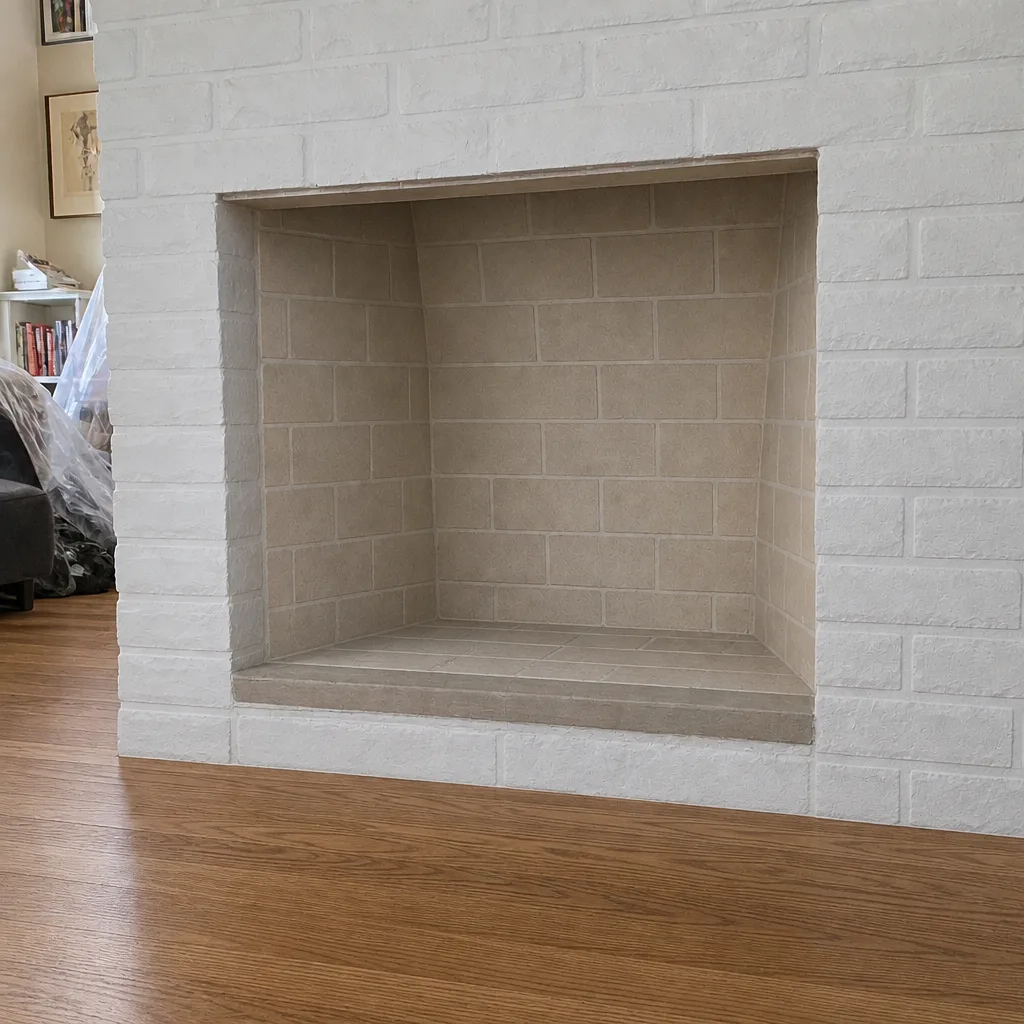
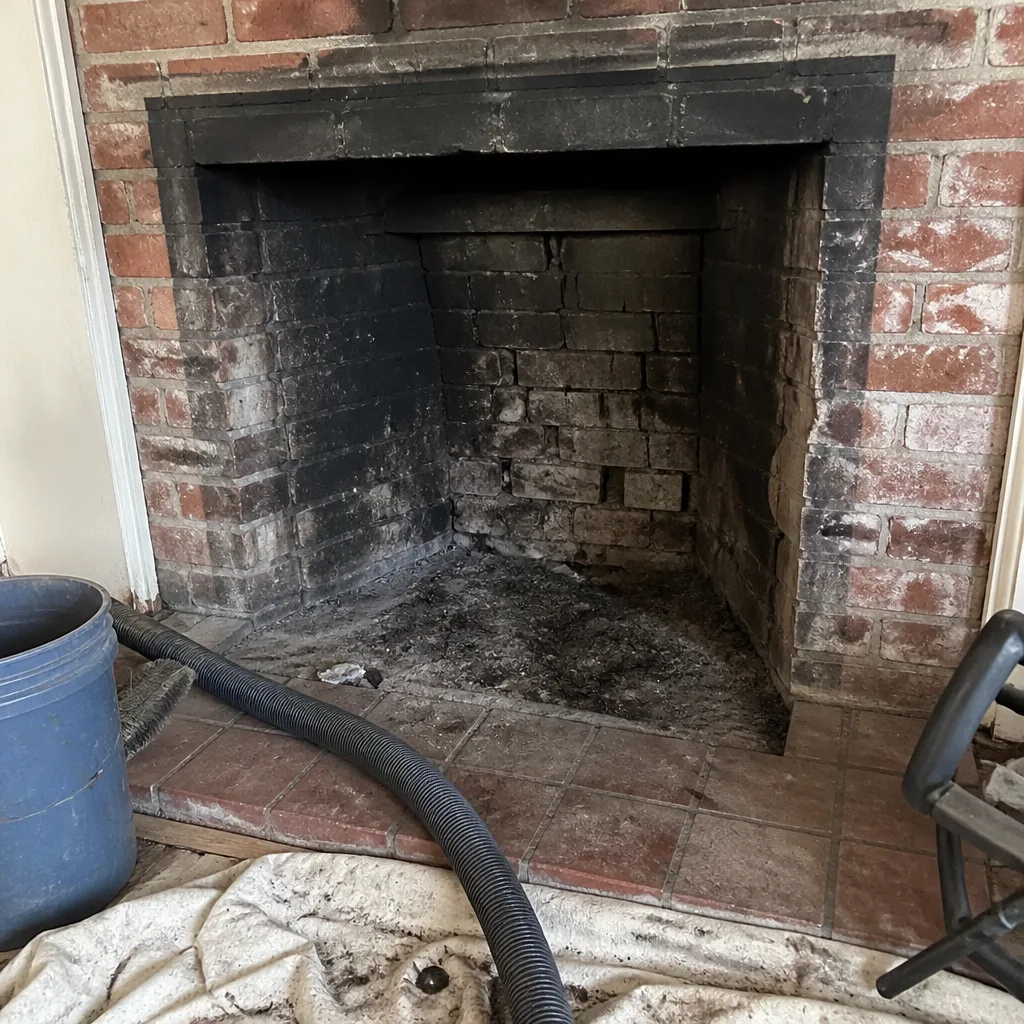
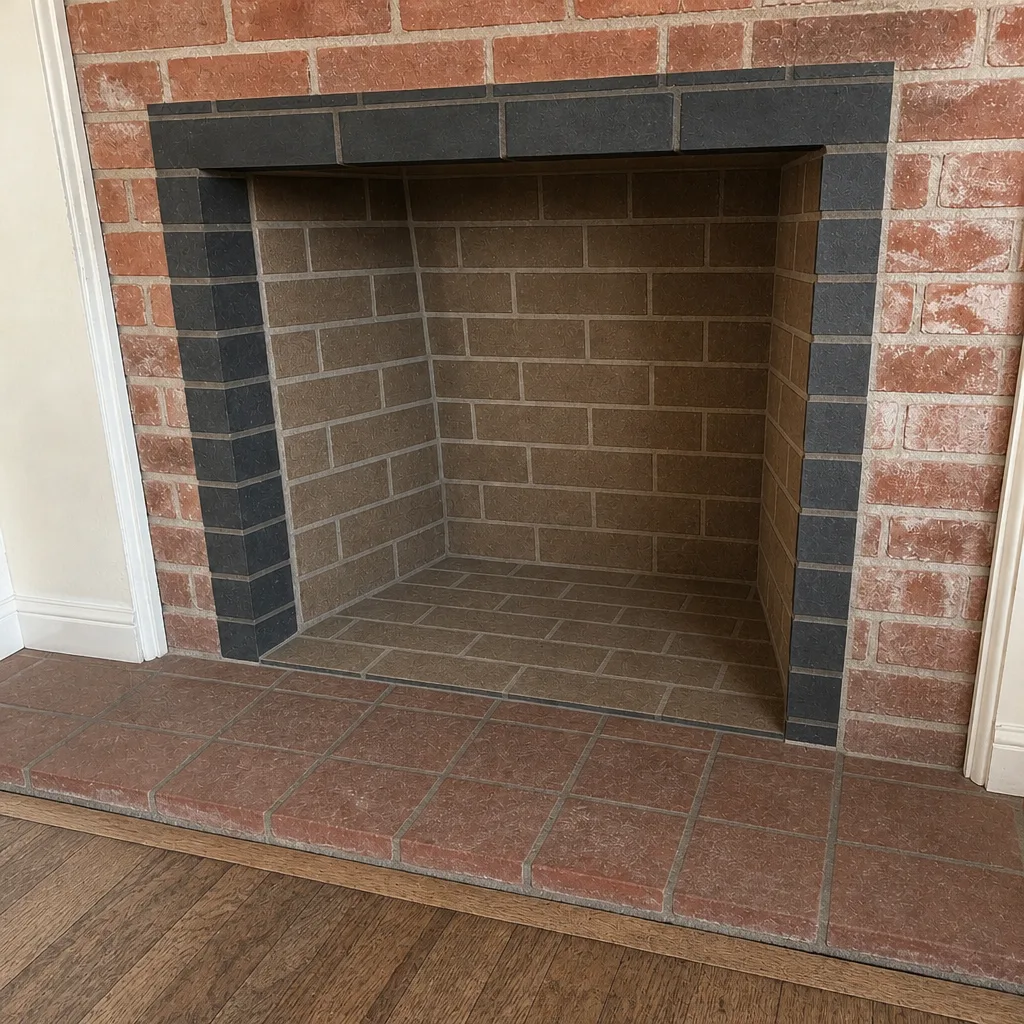
See the difference
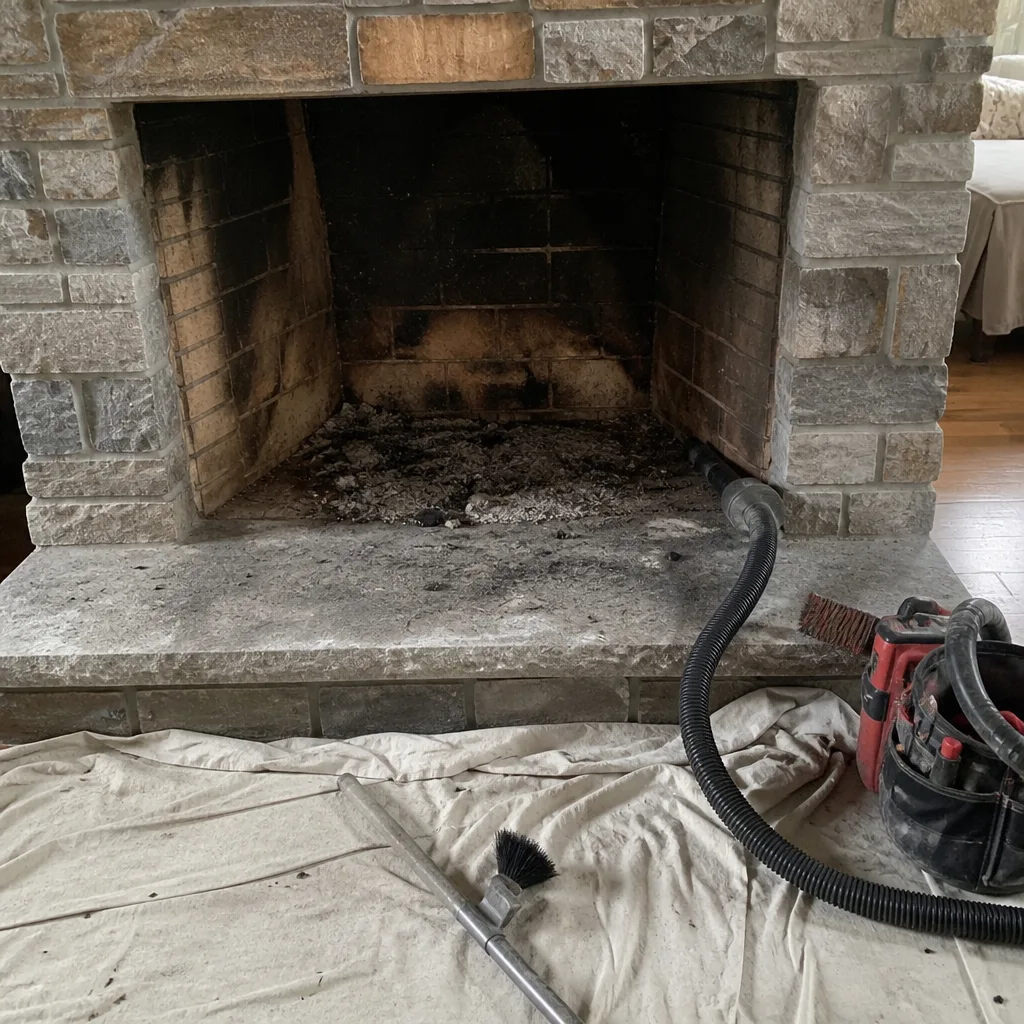 Before
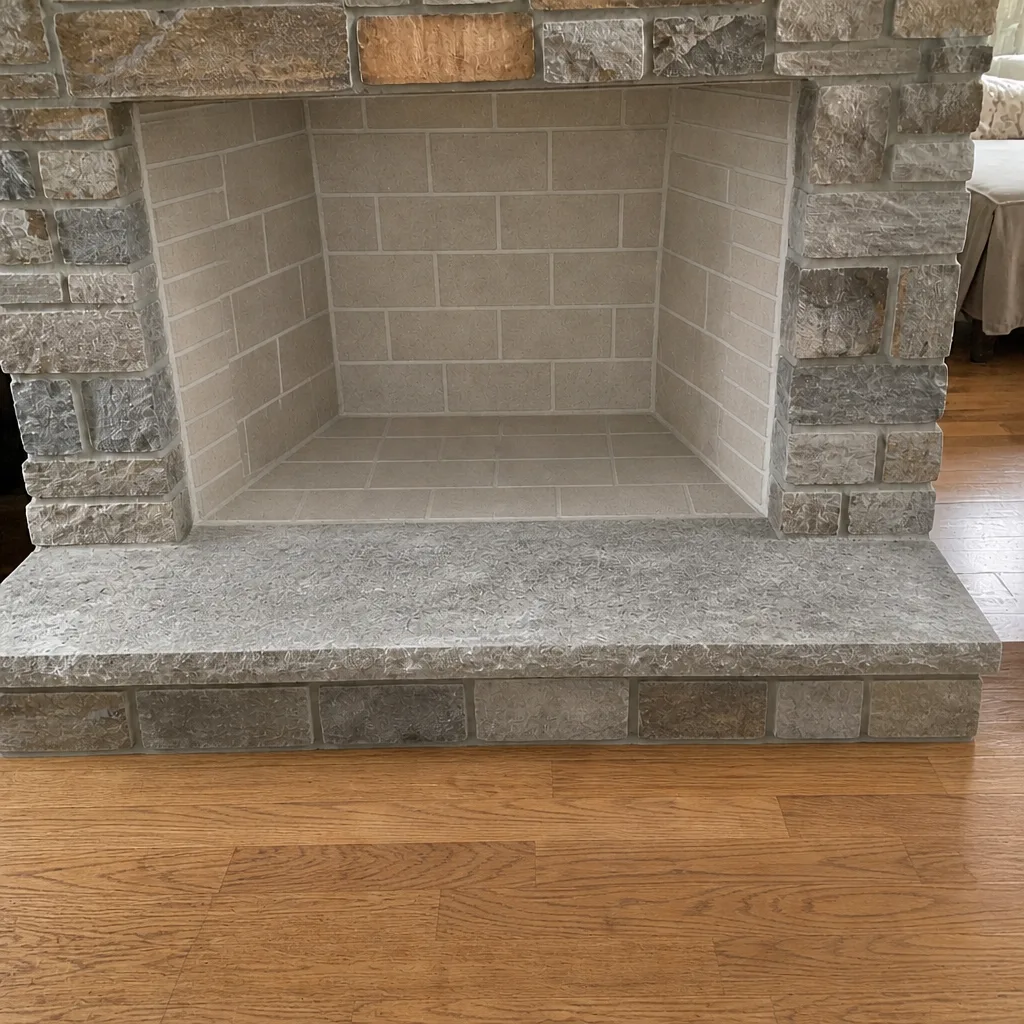 After
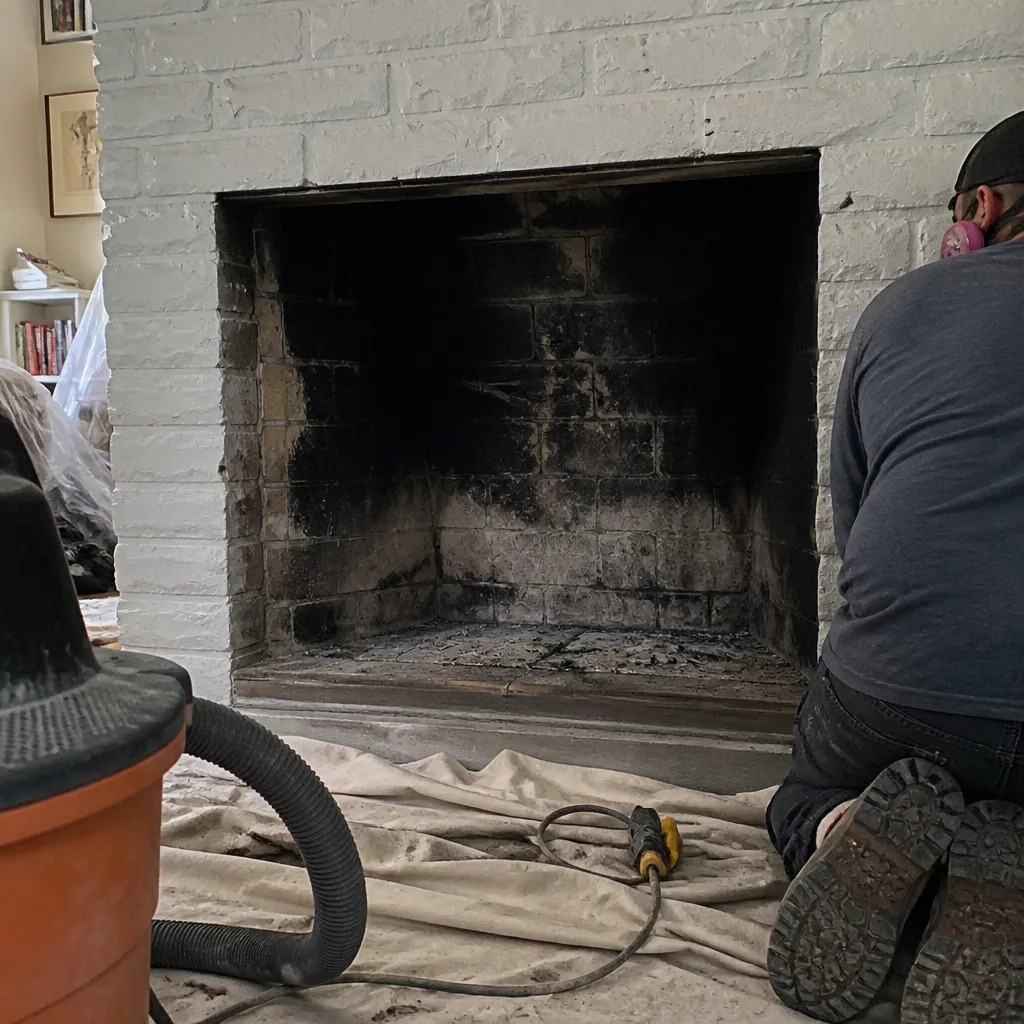 Before
 After
 Before
 After
When to Call a Professional
Call a professional when the liner type or history is unknown, when the creosote is glazed, when you’ve had a chimney fire, when you’re buying or selling a Bellevue home, or when you’re seeing smoke backup or a draft problem. Those are the situations where the assessment, not just the cleaning, is the point. Also call when the cap or crown looks damaged from the ground, or when a repair is on the table and you want a documented second opinion before committing. The hesitation most homeowners feel – being told they need thousands in liner or masonry work they can’t verify – is answered by camera evidence you can look at yourself, and a clear answer on what can safely wait. Bellevue Chimney Sweep offers free estimates in Bellevue – call (844) 625-7326 to book one.
Frequently Asked Questions
A typical professional chimney sweep in Bellevue is priced per job from a written estimate, and the estimate is free. The written estimate sets the final price, so the number you’re quoted is the number you’ll see. Call (844) 625-7326 for an exact quote – estimates are free.
Most wood-burning chimneys should be swept and inspected at least once a year, and more often if you burn heavily or see heavy creosote. Annual inspection is the baseline because the liner condition is what changes the recommendation. If it’s been more than a season, book the visit and get the record started. Call (844) 625-7326 for an exact quote – estimates are free.
You need a new liner when a camera inspection shows the existing one is cracked, spalling, or misaligned; not every chimney needs one. The honest answer is that the liner decision should rest on camera evidence you can see, not on a recommendation alone. Ask for the pictures and the reason before you commit. Call (844) 625-7326 for an exact quote – estimates are free.
Skipping service lets creosote build up, and heavy creosote is the fuel a chimney fire needs; it also means liner damage can go unnoticed until it becomes a bigger repair. It’s a risk that compounds quietly rather than a one-time loss. The sensible move is an annual inspection so you know where the system stands. Call (844) 625-7326 for an exact quote – estimates are free.
You can clean light soot on a system that’s been recently inspected and found sound, but you can’t skip the inspection itself. The cleaning is maintenance; the inspection is the safety check. On a clay-tile liner or a system with unknown history, book the assessment. Call (844) 625-7326 for an exact quote – estimates are free.
Homeowner’s insurance and appliance warranties generally expect documented professional maintenance, so a system with no inspection records can be harder to defend after a loss. We don’t interpret your policy – check your own terms. The practical takeaway is to keep the inspection reports, because that’s the record that answers the question. Call (844) 625-7326 for an exact quote – estimates are free.
The Bottom Line
The DIY chimney cleaning debate isn’t really about whether you can push a brush up a flue. It’s about whether the cleaning was done in a way that answers the safety question, and a brush-and-rod alone doesn’t. The deposits come off; the liner condition, the crown, and the cap stay unexamined. So the split is simple: on a recently inspected, sound system with light creosote, a DIY top-up between visits is reasonable. On an older Bellevue home, a clay liner, unknown history, or any sign of glazed creosote or a past fire, the professional visit is the one that does the job. Keep the records, monitor what you can see, and call a specialist for everything above the firebox. A neglected chimney is a liability – a serviced one is a fireplace you can actually use.
One specialist for the full system – sweep, inspect, repair, cap – means no juggling contractors, and a documented answer you can trust. Call (844) 625-7326 for a free estimate. We answer 24/7. Fast dispatch from 7am to 7pm, Sunday through Friday.
Written by the team at Bellevue Chimney Sweep.