
Last updated November 25, 2026
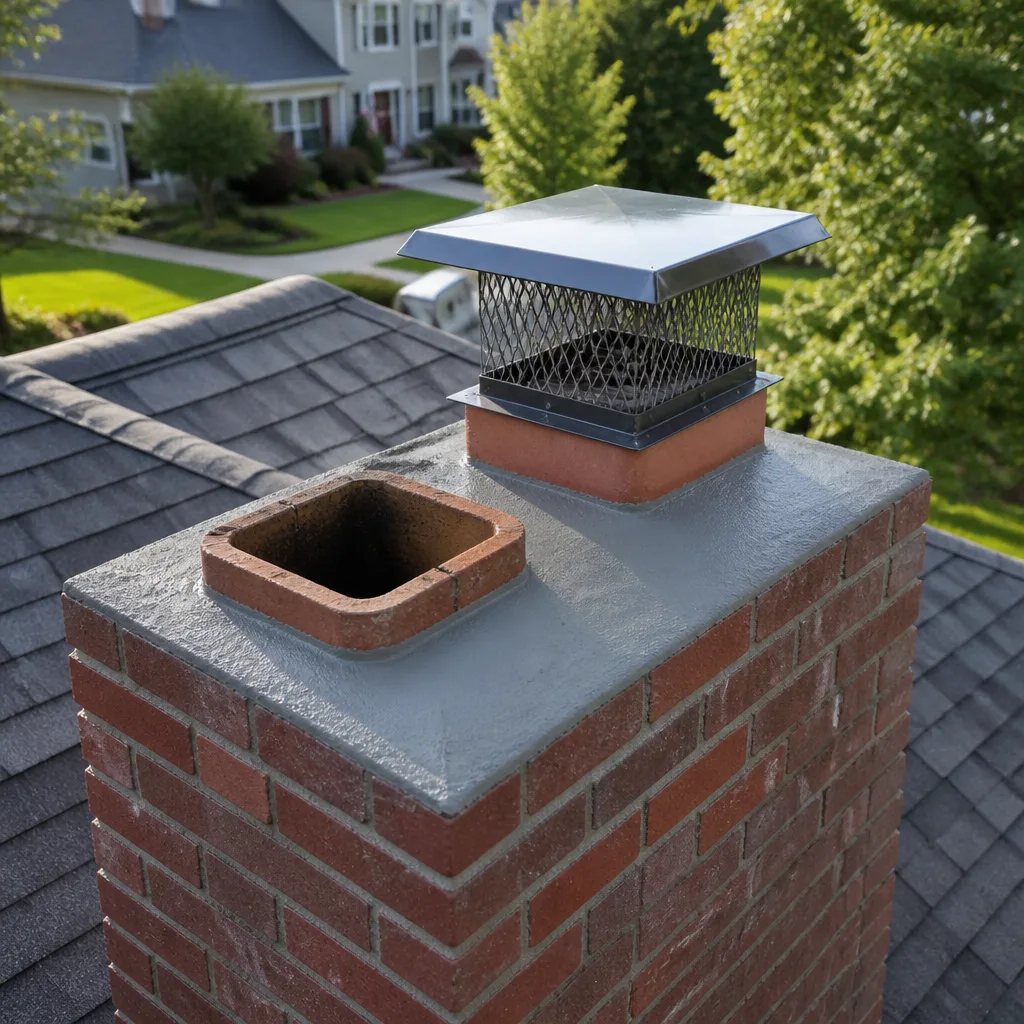 Sweep & inspection
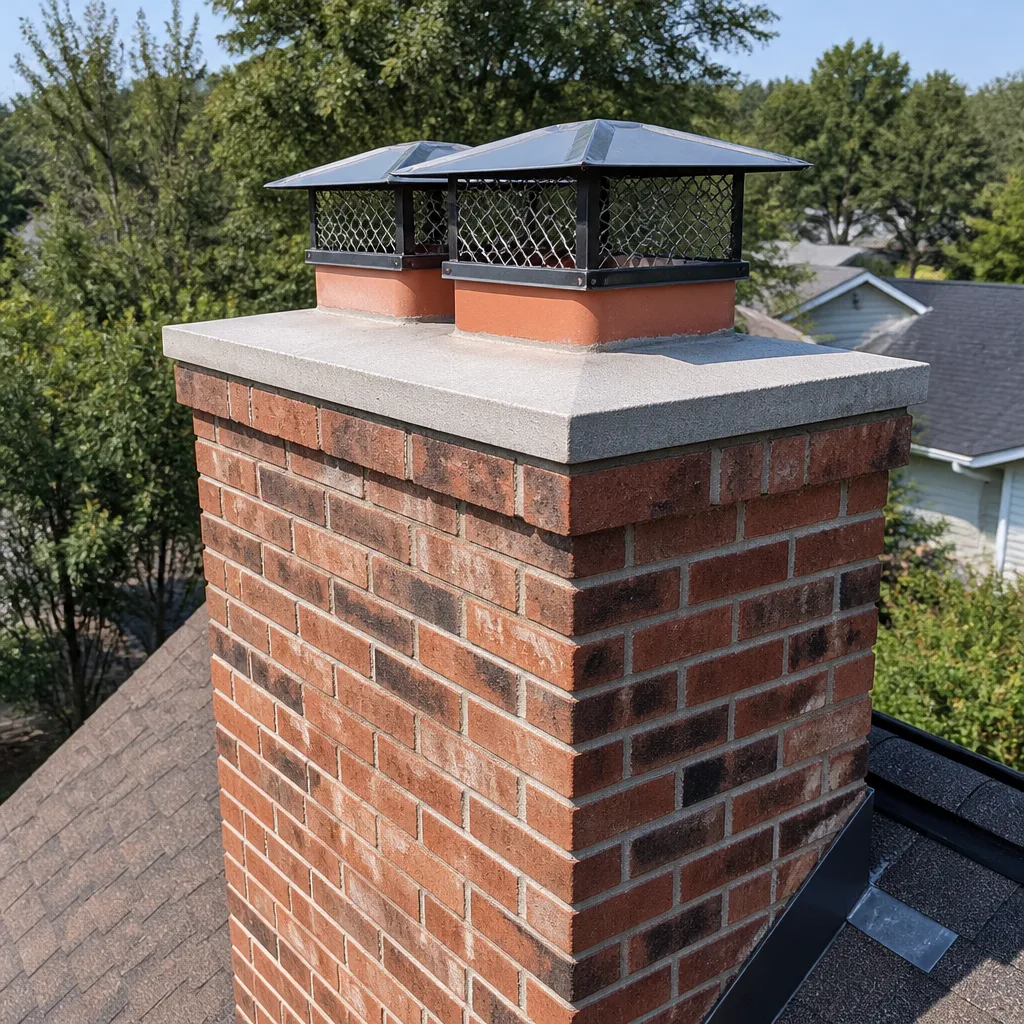 Caps & crowns
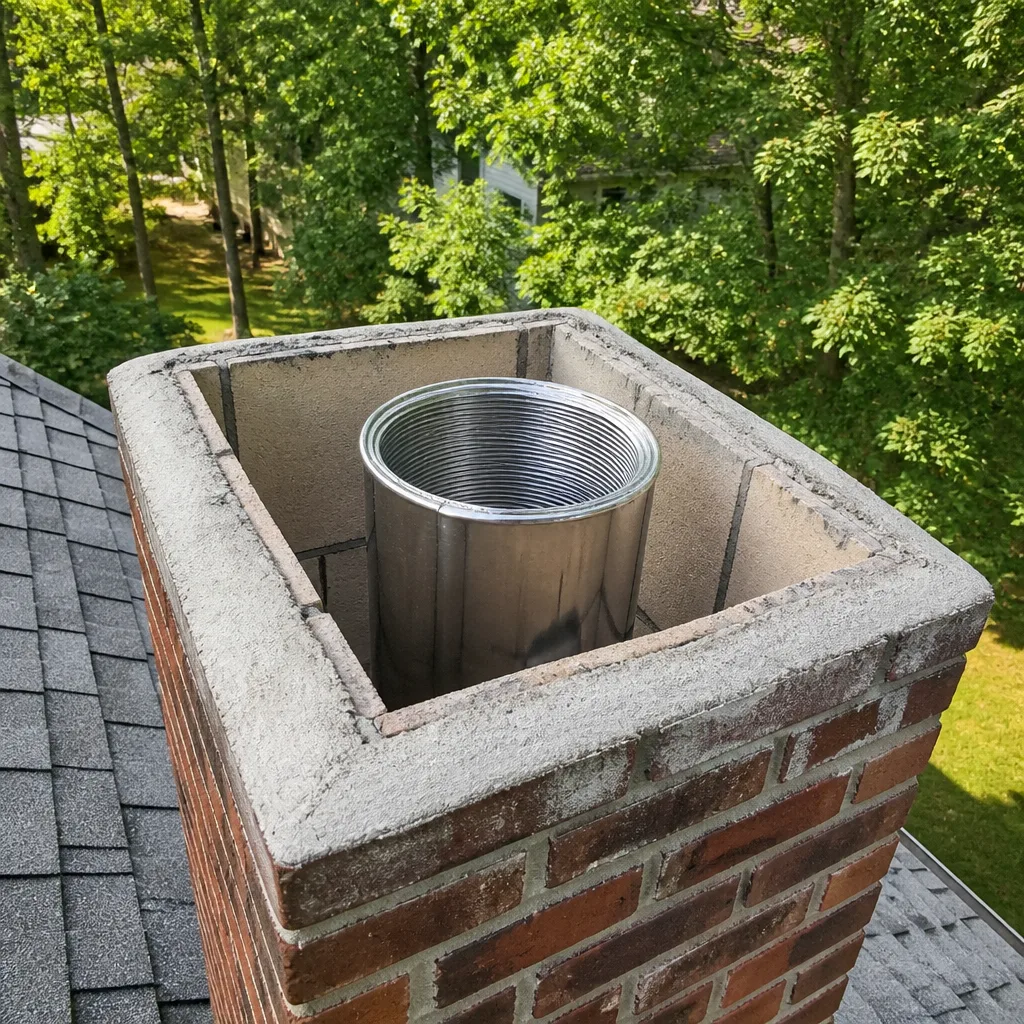 Flue relining
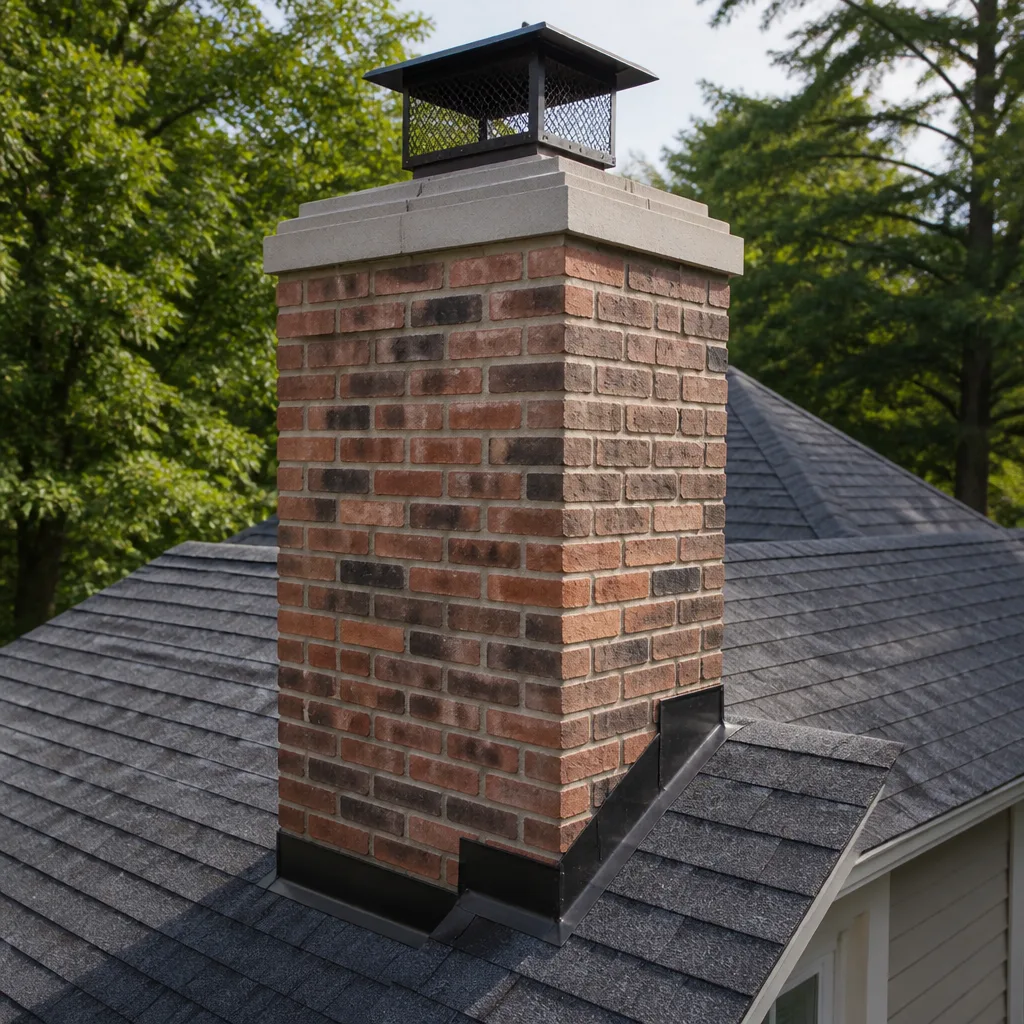 Masonry repair
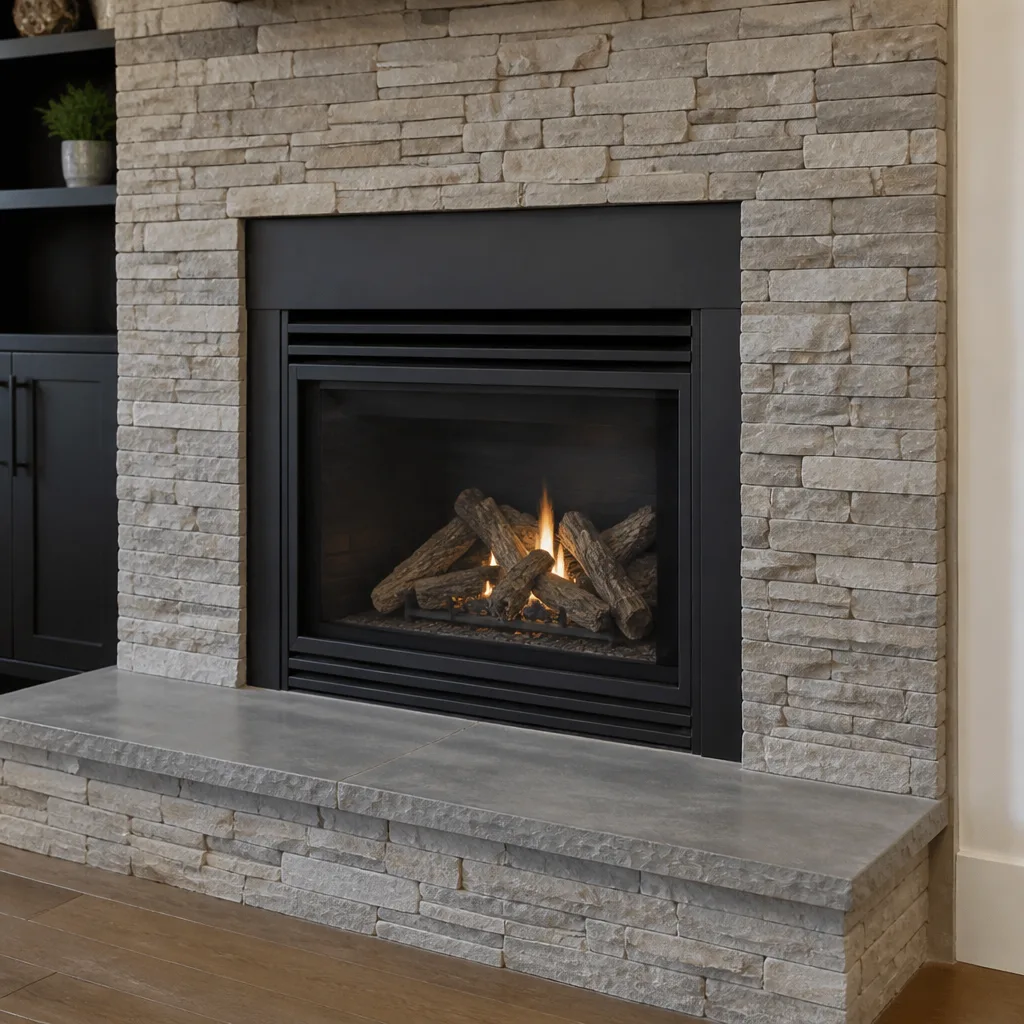 Gas fireplace service
Level 1 sweep and inspection to the NFPA 211 annual standard - flue, crown, cap, and flashing checked and photographed
Chimney sweep logs do not sweep chimneys. They loosen some creosote - which then falls where a brush and vacuum still have to collect it.
The Complete Guide to Chimney Cleaning in Bellevue
Most chimney fires don’t start because a homeowner skipped a cleaning. They start because the cleaning was done without checking the liner condition underneath the buildup. A flue can look swept and still be cracked, glazed, or failing behind the mortar. That gap between “clean” and “sound” is where trouble hides, and it’s the part of chimney care most guides gloss over. In Bellevue, the wet climate adds a twist: moisture and creosote interact in ways that national checklists rarely address. This guide walks through what a thorough cleaning actually involves here, system by system and material by material, so you know what to ask for and what to expect.
Quick Answer
A thorough chimney cleaning in Bellevue removes soot and creosote, but the real work is inspecting the flue liner, cap, and crown for the moisture and deposit damage that this region’s wet winters cause. Cleaning without a documented inspection is only half the job. You need both to use a fireplace safely, and a professional-grade sweep with a camera and a written report is the only way to know what’s actually happening inside the flue.
Styles & brands we work with
- Sweep & inspection
- Caps & crowns
- Flue relining
- Masonry repair
- Gas fireplace service
Table of Contents
- Why Chimney Cleaning in Bellevue Is Different
- How Creosote Forms and Why Wet Wood Makes It Worse
- Level 1, 2, and 3 Inspections: What Each One Involves
- Cleaning a Masonry Flue vs. a Factory-Built Metal System
- Moisture Intrusion: When It Looks Like a Cleaning Problem but Isn’t
- What Rotary Cleaning Systems Do That Brushes Miss
- What a Professional Cleaning Actually Involves, Step by Step
- How Often Bellevue Homeowners Should Schedule Cleaning
Why Chimney Cleaning in Bellevue Is Different
Bellevue sits in a climate that most chimney guides weren’t written for. The region gets long, damp winters and a shoulder season that stretches well into fall and starts again early in spring. That pattern changes how people burn. Fires happen in bursts, often on cool evenings when the wood isn’t fully seasoned, and the flue doesn’t get the sustained hot burn that would dry it out between uses. Cool, smoldering fires produce more creosote than hot ones, and in a damp climate the flue itself stays cooler, which means deposits condense and harden faster.
Homes here also tend to sit in neighborhoods where tree cover is heavy: the older streets around Bridle Trails, the wooded edges of Cougar Mountain, and the mature lots near Lake Sammamish all put a lot of shade and moisture around roofs. Shade slows drying on the exterior masonry and the cap. That exterior moisture works its way toward the flue over time. So a Bellevue chimney faces pressure from two directions at once: inside from creosote, outside from water.
National guides tell homeowners to sweep once a year or after a cord of wood. That’s a reasonable baseline, but it isn’t a schedule. In this climate, the right interval depends on how you burn, what you burn, and what shape the liner is in. A masonry flue that sees a lot of shoulder-season fires can build stage 2 creosote in a single season. A factory-built metal system burning dry, hot fires might go longer between cleanings. The only way to know which one you have is to look. That’s why a documented inspection is part of every cleaning we recommend, and why our Bellevue Chimney Sweep team treats cleaning and inspection as one job, not two.
How Creosote Forms and Why Wet Wood Makes It Worse
Creosote is the residue left when wood smoke cools before it leaves the flue. It starts as a soft, flaky deposit and hardens through three stages. In Bellevue, the wet climate and the region’s burn habits push deposits toward the harder stages faster than a dry-climate guide would suggest.
There are three recognized stages, and each one demands a different cleaning approach:
- Stage 1 is light soot and flaky, brushable creosote. Standard brushing removes it cleanly.
- Stage 2 is a crusty, sometimes bubbly deposit that clings to the flue wall. A hand brush often skates over the top of it.
- Stage 3 is glazed, glassy, tar-like creosote. It’s the most flammable and the hardest to remove. Brush-and-rod setups usually can’t touch it.
Wet or unseasoned wood is the biggest accelerant. When wood hasn’t dried properly, more of its energy goes into boiling off water instead of burning clean, and the flue gases carry more unburned material. Those gases cool on the flue wall and deposit. In a Bellevue winter, wood stored outdoors or under a tarp can hold moisture well past the point it feels dry to the touch. Shoulder-season fires, the kind people light on a mild October evening and let smolder, are another culprit: a low, slow fire sends up a lot of smoke and doesn’t heat the flue enough to dry it. Over a season that adds up to stage 2 and stage 3 buildup.
The practical takeaway is simple. Burn seasoned wood, burn it hot enough to keep the flue warm, and check the flue condition every year instead of trusting the calendar. If you want to know what’s sitting inside your flue right now, a chimney sweep with a camera and a written report tells you exactly where you stand, and we’re happy to walk you through what we find.
Level 1, 2, and 3 Inspections: What Each One Involves
Not all chimney inspections are the same, and the difference matters when you’re deciding what to pay for. The trade recognizes three levels, and each one applies to a different situation. Here’s what they actually involve, not just the label.
Level 1 inspection is the routine check you get with an annual cleaning. It covers the readily accessible parts of the system: the firebox, damper, the visible portion of the flue, the cap, and the crown. No camera, no tools beyond a flashlight and a mirror. It’s appropriate when the system is unchanged, you’re burning normally, and you don’t suspect a problem. If you’ve just moved into a Bellevue home and haven’t had it looked at, a Level 1 is a floor, not a ceiling.
Level 2 inspection is what most homeowners actually need after a change. It adds a camera scan of the full flue, a check of accessible attic and crawlspace areas, and a review of connections, clearances, and the liner itself. You want a Level 2 when you’ve bought a home, changed fuel type, installed a new appliance, survived a chimney fire or a seismic event, or noticed a performance change. In Bellevue, where a lot of housing stock changes hands and where damp winters hide liner damage, a Level 2 is the inspection that catches moisture-driven problems before they become structural.
Level 3 inspection is the most involved. It applies when a Level 1 or Level 2 turns up a hidden hazard that can’t be evaluated without access. It can involve removing parts of the chimney, opening a wall, or dismantling components, and it’s only recommended when the evidence justifies it. A camera scan is what tells you whether you’re at that point.
Our chimney inspection is available as a standalone service, with no repair commitment required to receive a documented assessment. That matters if you’ve been told you need work and want a straight answer before you spend anything. We tell you exactly what we find, show you the camera evidence, and say plainly when work can safely wait.
Cleaning a Masonry Flue vs. a Factory-Built Metal System
A masonry flue and a factory-built metal system are different animals, and the tools and process differ accordingly. Treating them the same is one of the most common reasons a cleaning looks fine on the surface and doesn’t hold up.
Masonry flues are built from brick and clay tile and finished with a mortar-lined inner surface. The flue wall is porous. Creosote and moisture both migrate into that surface, and over time the mortar joints and clay tiles can crack or spall. A sweep has to match the tool to the condition: soft brushes for stage 1, more aggressive rotary tooling for stage 2 and 3, and a camera to confirm that nothing was pushed into a joint or left behind. Masonry is also where a deteriorated liner is most likely, and where resurfacing with a product like HeatShield can restore the flue without a full tear-out. Cleaning a masonry flue without checking the liner is where the fires start.
Factory-built metal systems are lighter, with a stainless or galvanized liner and specific manufacturer clearances. The liner is thinner and less forgiving of aggressive tooling. Scrubbing too hard can scratch or deform it, and the cleaning process has to respect the system’s design. Metal systems also have their own weak points: seams, joints, and the cap connection, where moisture and condensate collect. A proper cleaning checks those points and confirms the liner is intact, not just clear.
In Bellevue, both types show up in the same neighborhoods. Older masonry chimneys sit alongside newer factory-built systems in the same blocks. That’s why we don’t send a single tool set and a fixed script. The sweep has to read the system first and pick the approach from there. Our technicians have up to 11 years of experience, and they work with product lines like Gelco and Olympia Chimney precisely because those systems demand the right components, not the cheapest ones on the shelf.
Moisture Intrusion: When It Looks Like a Cleaning Problem but Isn’t
Here’s a pattern that shows up again and again in Bellevue. A homeowner smells smoke in the house, sees staining on the firebox, or notices the fire doesn’t draw well. They book a cleaning. The cleaning helps for a week, and then the signs return. What was diagnosed as a dirty chimney is actually a water problem.
Wet winters put moisture against the chimney from every side: rain driving into an uncapped flue, water pooling on a cracked crown, snowmelt wicking into porous brick, condensation forming on a cool metal liner. When that water sits inside the flue, it breaks down the mortar and the liner and combines with creosote to form a corrosive paste. The symptoms look a lot like a cleaning issue: smoke smell, poor draft, staining, debris on the smoke shelf.
What distinguishes a moisture problem from a buildup problem is where the symptoms are and how they behave. A few tells to watch for:
- White, chalky staining on the exterior masonry, which can signal water moving through the brick.
- Rust or corrosion on a metal liner or damper, which points to condensation.
- Crumbling mortar or spalling brick near the crown or the cap.
- Smoke smell that returns quickly after a cleaning and gets worse in wet weather.
- Water or damp debris inside the firebox after a heavy rain.
If any of those match what you’re seeing, the fix isn’t another brush. It’s a proper look at the cap, crown, and liner. A damaged crown or a missing cap lets water straight into the flue, and no amount of cleaning will stop what happens next. That’s why chimney cap & crown work and cleaning often go together here. Sealing the top of the system is what makes the cleaning last.
What Rotary Cleaning Systems Do That Brushes Miss
A standard brush-and-rod setup does a fine job on stage 1 soot and light flaky creosote. It’s the right tool for a lightly used flue that’s been maintained. What it does poorly is stage 2 and stage 3 deposits, and that’s where a lot of Bellevue chimneys sit after a wet, shoulder-season-heavy year.
Rotary cleaning systems use a spinning head driven by a flexible rod, with interchangeable tooling for different deposit types and different flue materials. What the rotation does is apply consistent, controlled pressure across the full circumference of the flue instead of the glancing contact of a hand-driven brush. On glazed, tar-like stage 3 creosote, that’s the difference between scraping the surface and actually removing the deposit down to the flue wall.
There’s a second advantage that matters just as much in a damp climate: control. Rotary tooling can be matched to the flue material, so a masonry flue gets the tooling it can take and a metal liner gets a gentler head that won’t score the surface. A brush that’s too stiff for a metal liner does damage. A brush that’s too soft for glazed creosote leaves it in place. Rotary systems let the sweep choose by condition instead of compromising.
Almost as important as the tool is what happens after. Every cleaning we do includes a camera scan and a photo report, so you can see the flue wall for yourself before and after. The tooling matters. The evidence matters more, because it’s what tells you whether the cleaning actually solved the problem or just changed its appearance. If the camera shows a deteriorated liner underneath the buildup, we say so and show you, and we talk through whether resurfacing, relining with a DuraFlex system, or a wait-and-watch approach makes sense. Nothing gets recommended without camera evidence you can see for yourself.
What a Professional Cleaning Actually Involves, Step by Step
Here’s what a thorough cleaning looks like when it’s done as part of a documented visit. The order matters, and skipping a step is how problems get missed.
- Protect the room. Drop cloths and a sealed work area keep soot and dust out of your living space. A professional cleaning shouldn’t leave a mess behind.
- Inspect the firebox and damper. Before any cleaning, the sweep checks the firebox, damper, smoke shelf, and fireback for cracks, gaps, and buildup. Damage here changes the plan.
- Choose the tooling by system and deposit. The sweep reads the flue material and the deposit stage, then selects brush or rotary tooling accordingly. No one-size-fits-all setup.
- Clean the full run of the flue. The full flue gets cleaned top to bottom, with the smoke chamber and smoke shelf included. Creosote collects in places a quick pass won’t reach.
- Run a camera scan. A camera goes down the flue to confirm the liner is intact and clean, with no cracks, gaps, or missed deposits. The scan is the check on the cleaning.
- Inspect the cap, crown, and exterior. The top of the system gets the same attention. A cracked crown or a loose cap is a moisture problem waiting to happen.
- Document and report. You get a written report and photos showing what was found and what was done. That record is your baseline for the next visit.
- Agree next steps before any repair. If the inspection turns up something, we agree with you what to do next. No repair is added on the spot without your decision and a clear explanation.
If a repair does come up, whether it’s a fireplace repair or relining work, it’s handled by the same specialist team, so you’re not sourcing a second contractor for the most structurally critical part of the job. One specialist for the full system: sweep, inspect, repair, cap. No juggling contractors.
How Often Bellevue Homeowners Should Schedule Cleaning
There’s no single number that fits every Bellevue home, but there’s a useful way to decide. Start with the baseline, then adjust for how you actually burn.
The general rule most sweeps use is an annual cleaning and inspection for a fireplace in regular use, or a cleaning after every cord of wood burned, whichever comes first. That’s a sensible starting point. From there, adjust:
- Burn more than a cord a year? Consider cleaning more than once. Frequent burning with wet wood fills a flue faster than the calendar suggests.
- Burn a lot of shoulder-season fires? Those slow, cool burns are hard on a flue. Add a mid-season check if you notice draft problems.
- Bought a home recently? Get a Level 2 inspection before your first fire, no matter what the seller said.
- Haven’t used the fireplace in two or more seasons? The first visit back should be a cleaning plus a full inspection. Sitting idle in a damp climate doesn’t protect a flue; moisture keeps working on it.
- Had a chimney fire or a strong smoke event? That’s a Level 2 inspection trigger, even if nothing looks wrong.
The one habit that beats any schedule: book the visit before the season, not after something smells wrong. In Bellevue, the shoulder season is the natural time, when the wet weather starts and the fireplace comes back into use. A cleaning is booked in, and the urgency is seasonal, not hourly. Getting ahead of the first cold snap is what keeps your fireplace usable and your liner sound.
Common Mistakes to Avoid
- Assuming a clean-looking flue is a sound one. A flue can look swept and still have a cracked liner or glazed deposit behind the mortar. The camera scan is what tells you the truth, and skipping it is the mistake.
- Burning unseasoned or wet wood. In Bellevue’s damp climate, wood stored outdoors can hold moisture long past the point it feels dry. Wet wood burns cool and produces much more creosote.
- Treating a moisture problem as a cleaning problem. Staining, rust, and a smoke smell that returns after a cleaning usually point to a cap, crown, or liner issue, not leftover soot. Fix the water source first.
- Using one brush-and-rod setup for every system. A stiff brush can score a metal liner and a soft brush can’t remove glazed creosote. Match the tooling to the flue and the deposit.
- Skipping the inspection after buying a home. What the previous owner burned and how often is unknown. A Level 2 inspection before your first fire gives you a documented baseline.
- Letting a chimney sit idle in a wet climate. An unused flue doesn’t stay sound. Moisture keeps working on the liner and masonry, so an idle chimney still needs a check.
- Accepting a repair recommendation without seeing the evidence. You deserve to see the camera scan before you approve work. Any specialist who tells you exactly what they find will show you, and say when work can safely wait.
See the difference
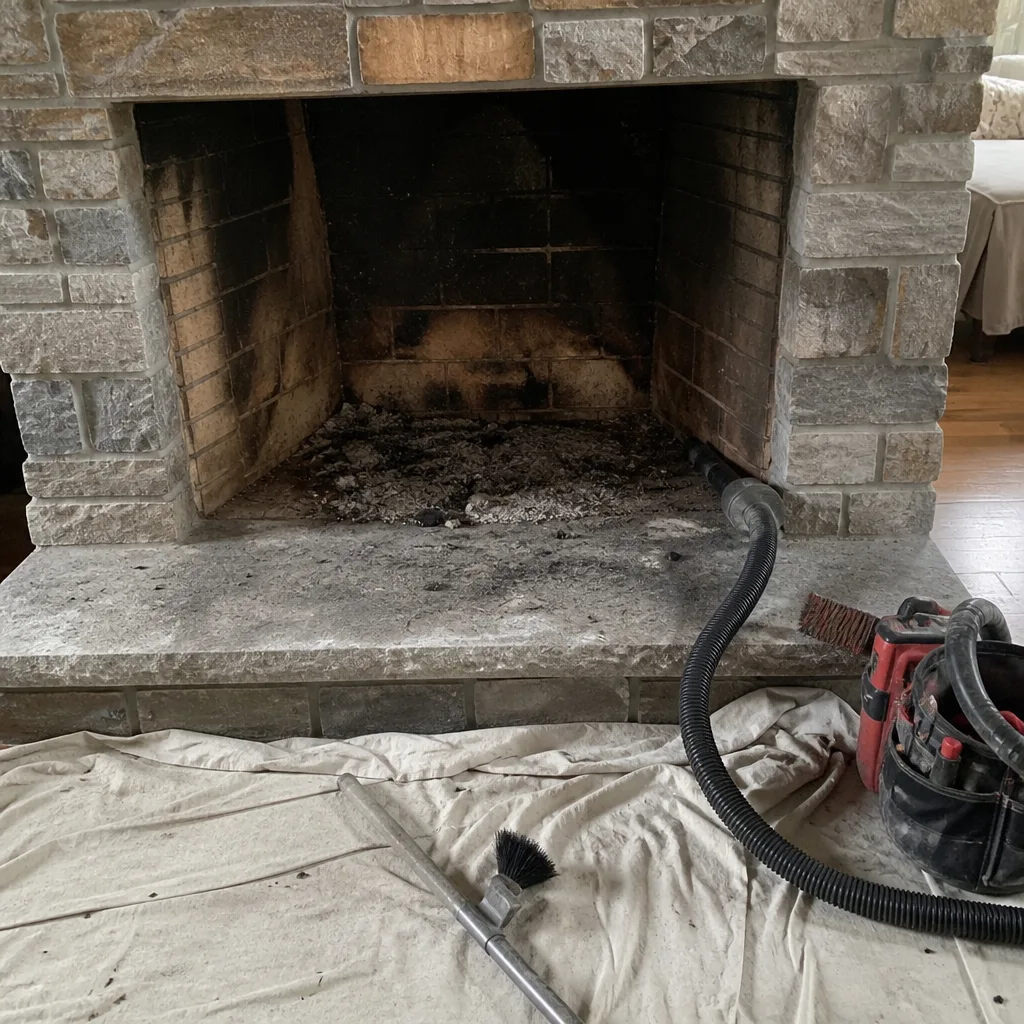 Before
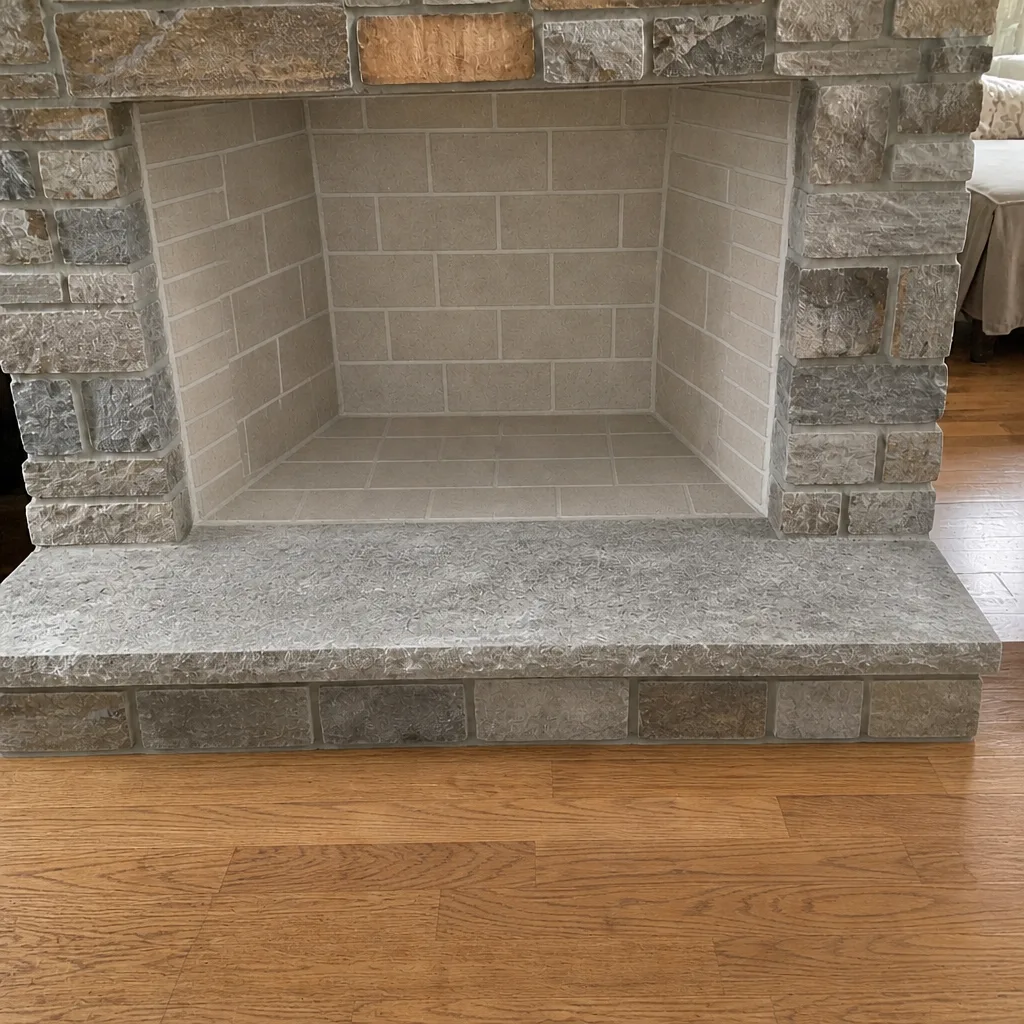 After
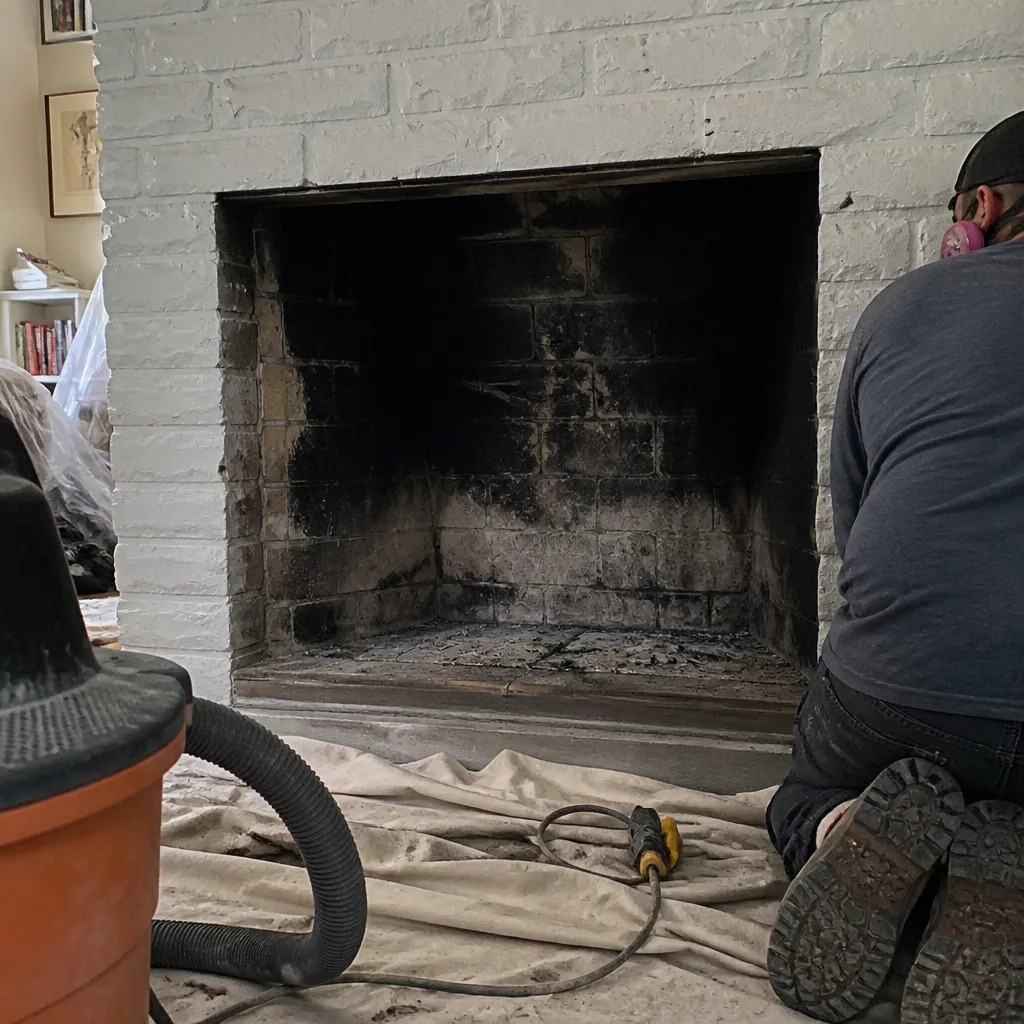 Before
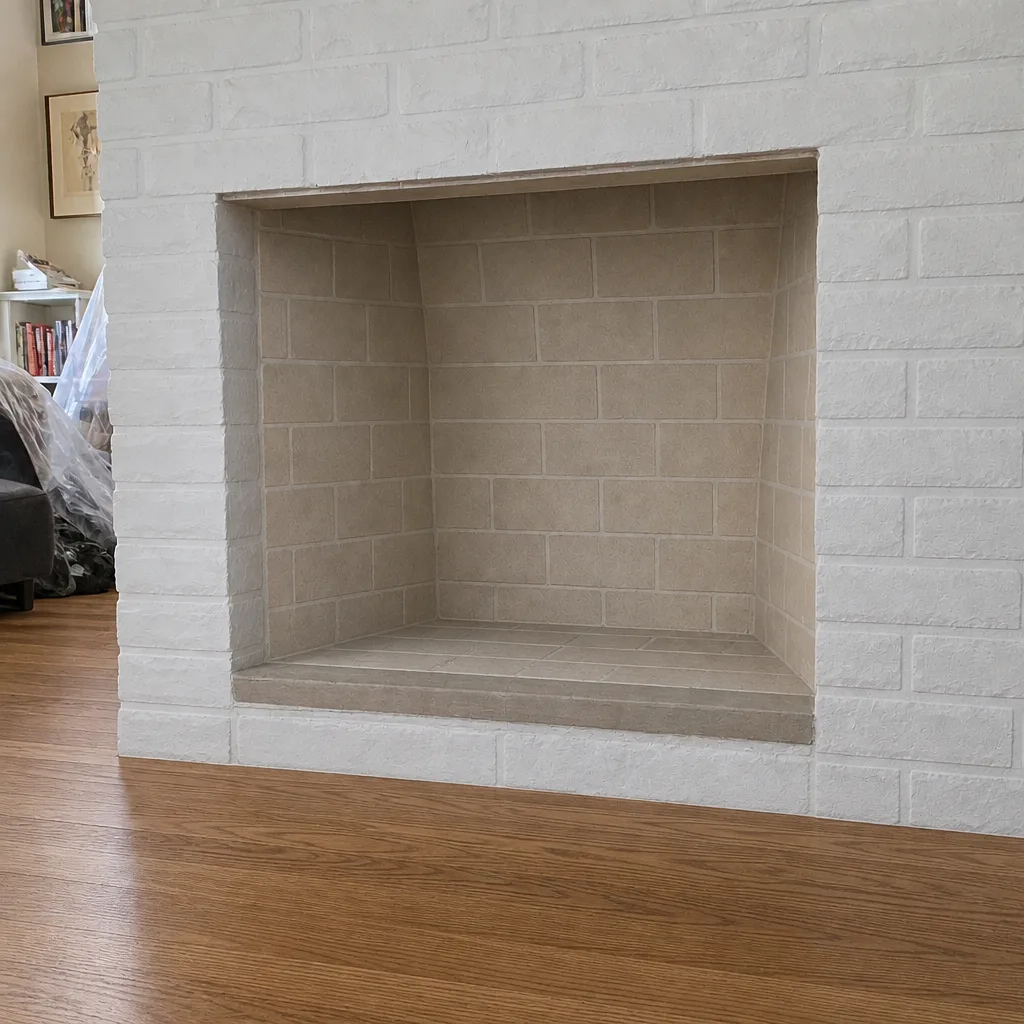 After
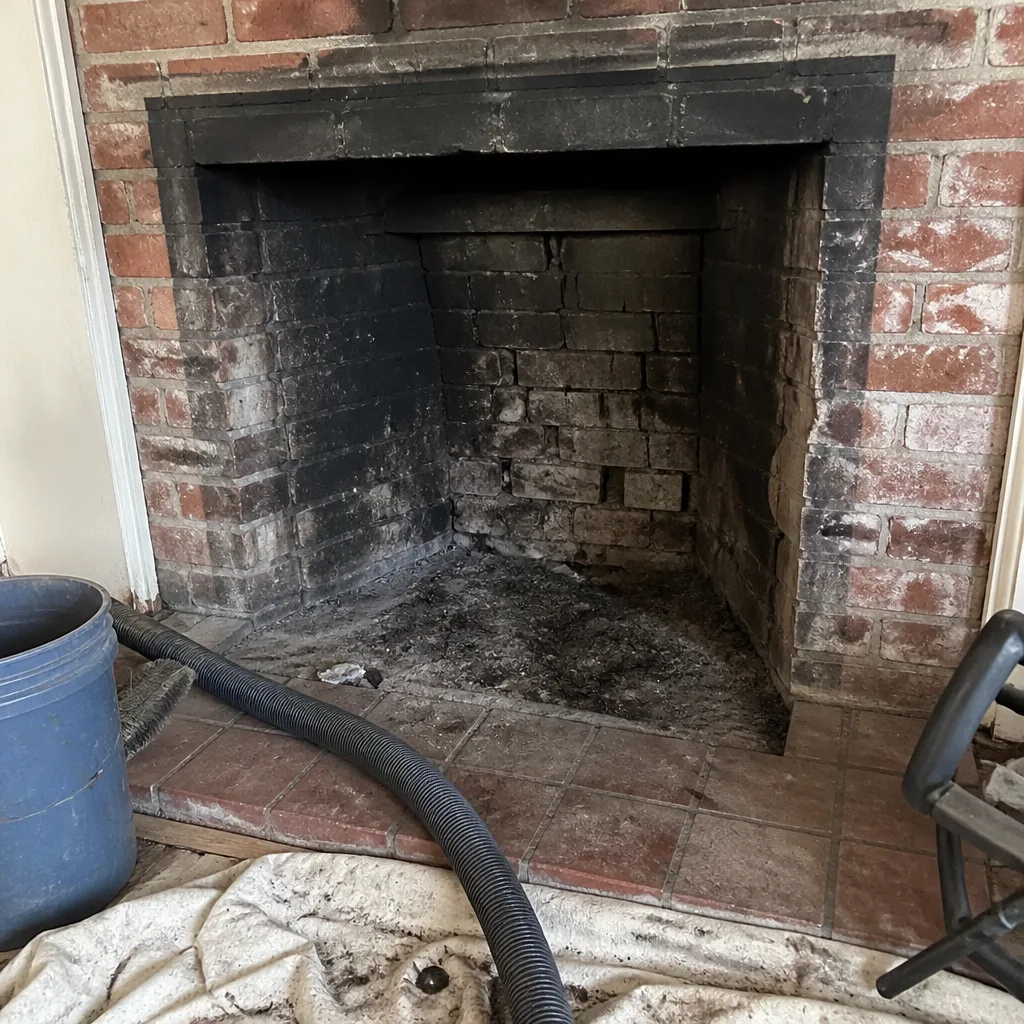 Before
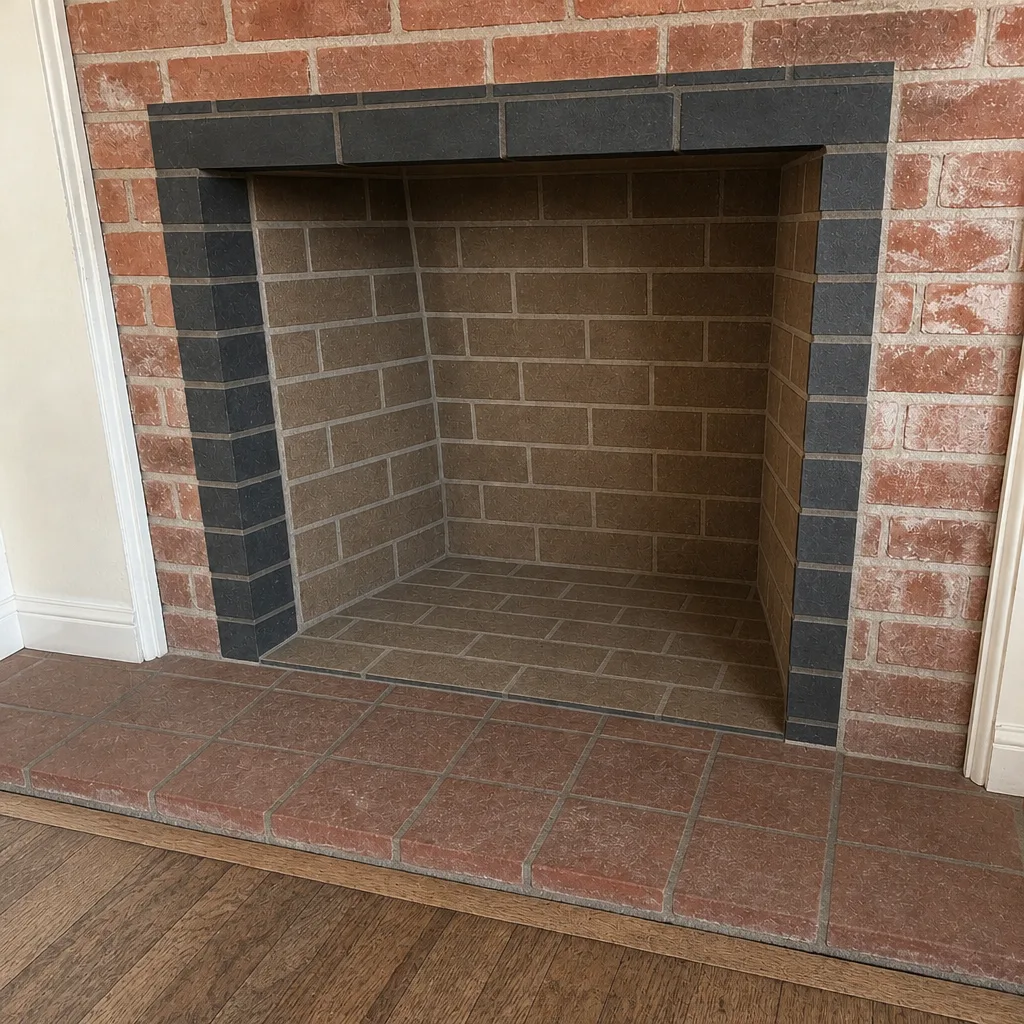 After
When to Call a Professional
Call a professional when the work involves the flue itself, not just soot. If you smell smoke in the house when the fireplace isn’t running, notice staining or rust, see crumbling mortar at the crown, or can’t remember when the chimney was last cleaned, that’s a call. So is a recent home purchase, a change in appliance, or a fire that didn’t draw the way it used to. And if a chimney fire has happened, even a small one, a Level 2 inspection comes next, no exceptions. Safety is the reason to act here, not salesmanship: a neglected chimney is a liability, and a serviced one is a fireplace you can actually use. Bellevue Chimney Sweep offers free estimates in Bellevue. Call (844) 625-7326. We answer 24/7. Fast dispatch from 7am to 7pm, Sunday through Friday.
Frequently Asked Questions
Chimney cleaning in Bellevue is priced per job by a written estimate, and the estimate is free. The final price depends on the system type, the deposit stage, and whether a camera inspection or document report is included. Call (844) 625-7326 for an exact quote. Estimates are free, and the written estimate sets the final price.
A chimney in regular use is generally swept once a year or after every cord of wood burned, whichever comes first. In Bellevue’s wet climate, heavy shoulder-season burning or unseasoned wood can justify more frequent cleaning. A camera inspection confirms what the calendar can’t. Call (844) 625-7326 to book a visit and get a straight answer for your system.
Creosote builds up on the flue wall, and the harder stages are more flammable and harder to remove, which raises chimney fire risk. Moisture keeps working on the liner and masonry the whole time, so damage can quietly worsen. The safe move is a documented cleaning and inspection. Call (844) 625-7326 for an exact quote. Estimates are free.
You need a new liner only when the camera scan shows the existing one is cracked, deteriorated, or no longer code-compliant, and a reputable specialist shows you the evidence before recommending anything. If the liner is intact, cleaning is the answer, and we say so plainly. Call (844) 625-7326 to schedule an inspection.
A Level 1 inspector checks the accessible parts, a Level 2 adds a camera scan of the full flue and a review of clearances, and a Level 3 involves opening parts of the chimney when a hidden hazard needs access. Most Bellevue homeowners who’ve just bought a home or changed an appliance need a Level 2. Call (844) 625-7326 for an exact quote. Estimates are free.
Yes. A new-home fireplace should get a cleaning and a Level 2 inspection before the first fire, because the previous owner’s burn habits and the liner condition are unknown. It gives you a documented baseline. Bellevue Chimney Sweep offers free estimates in Bellevue. Call (844) 625-7326. We answer 24/7. Fast dispatch from 7am to 7pm, Sunday through Friday.
The Bottom Line
Chimney cleaning in Bellevue is two jobs in one: removing what’s built up inside the flue, and documenting the condition of the system underneath. The wet climate and shoulder-season burn patterns push creosote toward the harder stages faster than a national checklist suggests, and moisture quietly works on the liner and crown the whole time. The reliable path is a cleaning plus a camera inspection, with the evidence shown to you before any repair is recommended. A neglected chimney is a liability, and a serviced one is a fireplace you can actually use. Built to code and built to last is the standard we hold repairs to, and one specialist for the full system, sweep to cap, is what makes that possible.
Book your Bellevue Chimney Sweep visit with confidence: nothing is recommended without camera evidence you can see for yourself. Call (844) 625-7326. We answer 24/7. Fast dispatch from 7am to 7pm, Sunday through Friday. Estimates are free, and the written estimate sets the final price.
Written by the team at Bellevue Chimney Sweep.