
Last updated November 25, 2026
 Sweep & inspection
 Caps & crowns
 Flue relining
 Masonry repair
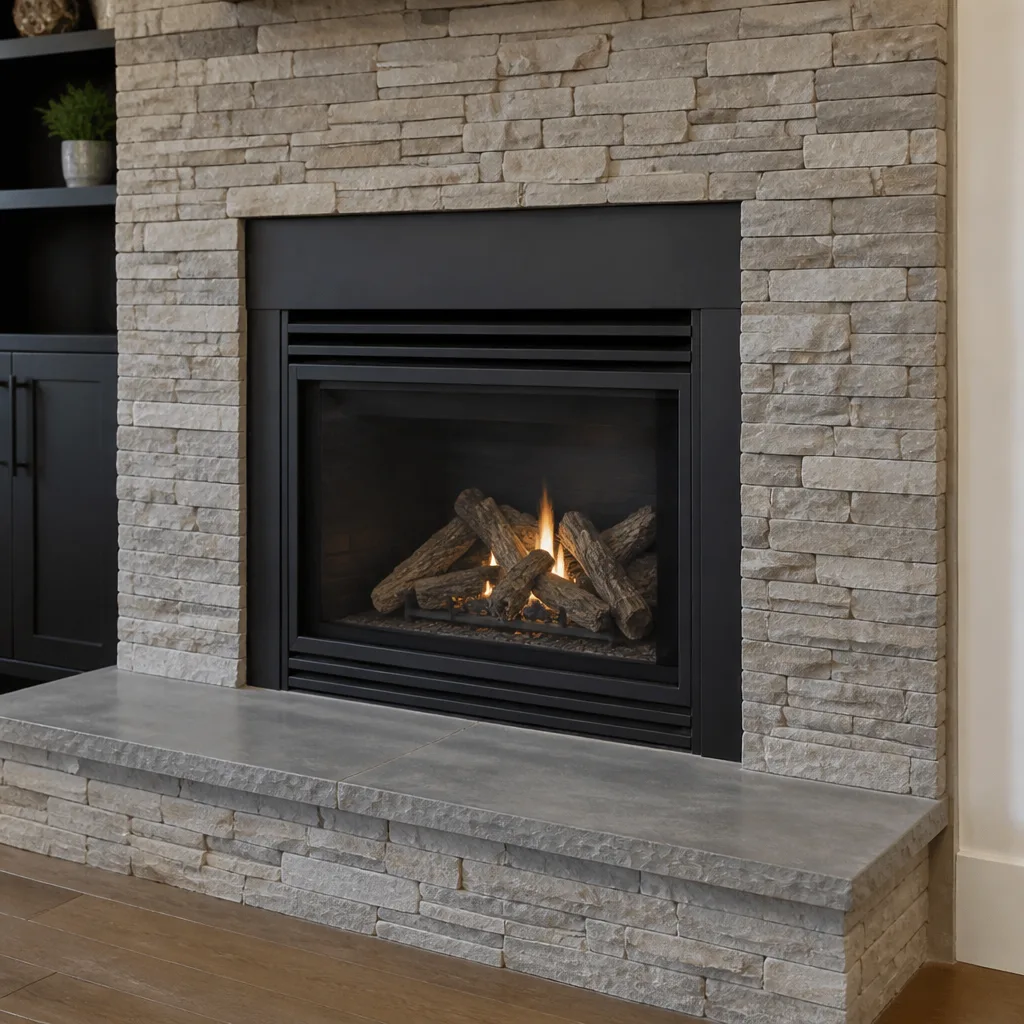 Gas fireplace service
Level 1 sweep and inspection to the NFPA 211 annual standard - flue, crown, cap, and flashing checked and photographed
Chimney sweep logs do not sweep chimneys. They loosen some creosote - which then falls where a brush and vacuum still have to collect it.
Chimney Cleaning Emergency Preparedness Guide for Bellevue Homes
Most homeowners believe the right response to a chimney fire is to grab a bucket of water or a hose. It isn’t. The correct first move is to close the damper, get everyone outside, and call 911 – and a surprising number of people do the opposite, either out of instinct or because nobody ever told them otherwise. A chimney fire is a strange, quiet, sometimes invisible event, and the difference between a contained one and a structural one usually comes down to whether the homeowner knew what they were looking at. This guide walks through Bellevue chimney emergencies from the ground up: how to recognize an active flue fire versus a slow-burn, what the right sequence of actions is, how to set up carbon monoxide detection specifically for chimney systems, what to do after the fire before you light another match, and why windstorms around Lake Sammamish and the Issaquah Alps can flip a well-behaved chimney into a backdrafting hazard overnight. You’ll also find the preparation steps that belong in your routine maintenance schedule – not the panic moment – because that’s where chimney emergencies are actually prevented.
Quick Answer
During a chimney fire, close the damper, get everyone out of the house, and call 911. Do not pour water down the flue, do not spray a fire extinguisher into the firebox, and do not assume you can wait and see. After the fire is out, the chimney must be inspected by a qualified specialist before any further use, because a visual check from the firebox cannot confirm whether the flue liner, mortar joints, or surrounding framing were damaged.
Styles & brands we work with
- Sweep & inspection
- Caps & crowns
- Flue relining
- Masonry repair
- Gas fireplace service
Table of Contents
- What to Do During a Chimney Fire: The Correct Sequence
- Slow-Burn vs. Active Flue Fire: How to Tell the Difference
- Carbon Monoxide Preparedness for Chimney Systems
- What to Do After a Chimney Fire Before You Light Another Fire
- How Bellevue Wind Events Cause Sudden Draft Failure and Backdrafting
- Prevention During Routine Maintenance: The Real Preparation Window
- What a Post-Emergency Chimney Inspection Actually Checks
- Common Mistakes to Avoid
What to Do During a Chimney Fire: The Correct Sequence
The sequence matters. When a chimney fire is active, the flue is acting like a torch: combustion byproducts have ignited inside the chimney and the draft is pulling flames upward and outward. Every step below is designed to starve the fire of oxygen, keep people clear of the exhaust path, and get trained responders on the way.
- Close the damper (or glass doors) to cut off the air supply. This is step one. The chimney fire needs oxygen, and closing the damper limits how much the flue can pull. If you have glass doors on the fireplace, close them too.
- Get everyone out of the house. Chimney fires can spread into the attic, roof assembly, and adjacent framing without any obvious interior signs. Do not stay to watch.
- Call 911 from outside. Report a possible chimney fire, give the address, and follow the dispatcher’s instructions.
- If it’s safe and you have one, discharge a chimney fire suppression product into the firebox – but never instead of calling 911. These products are designed to interrupt an active flue fire and buy time. They are not a substitute for emergency services. If the product is not immediately reachable, leave it and go.
- Do not re-enter for belongings. Wait for the fire department to clear the structure before going back inside.
What not to do is equally important. Do not pour water down a hot flue – the thermal shock can crack clay tile liners and split a masonry chimney. Do not use a fire extinguisher in the firebox; standard extinguishers aren’t designed for a fire burning inside a vertical flue, and the discharge won’t reach it. Do not open the damper to “let it vent.” And do not assume the fire is out because you no longer hear it – chimney fires frequently burn undetected behind a closed damper for long stretches.
A wide cross-section of Bellevue homes – particularly the mid-century properties through Crossroads and Lake Hills and the newer builds up toward Cougar Mountain – rely on masonry fireplaces with clay tile liners, and those liners are exactly what a hot flue fire damages first. The sequence above is the same regardless of chimney type; the risk profile of the resulting damage is not.
Slow-Burn vs. Active Flue Fire: How to Tell the Difference
A chimney fire is not always a roaring event. In our experience, the “slow-burn” chimney fire is the one homeowners miss – it’s quieter, less dramatic, and can smolder for hours inside a flue packed with creosote. Learning to read the indicators is one of the highest-value preparedness skills you can build, because a slow-burn still damages the liner and still needs a professional inspection after the fact.
Active flue fire indicators
- A loud roaring or rumbling sound that many people describe as resembling a freight train or a low-flying jet.
- Vibrations you can feel in the floor or walls near the chimney.
- Flames or sparks visible at the top of the chimney, or thick black smoke rolling from the cap.
- A hot, sharp, acrid smell in the room, often described as burnt or metallic.
- Visible warping, discoloration, or heat damage on the damper, firebox, or the exterior of the chimney chase.
Slow-burn chimney fire indicators
- A persistent, low crackling or ticking sound inside the chimney that continues after you stop adding wood.
- Creosote flakes or small pieces of blackened material appearing on the roof or in the yard.
- A smell of hot creosote – part smoky, part tarlike – that lingers long after the fire should have cooled down.
- Heat discoloration on the chimney cap or a section of the exterior masonry that feels noticeably warmer than the surrounding wall.
- Puffy, honeycombed, or “popcorn”-textured creosote visible inside the flue during a later inspection.
If you suspect a slow-burn fire, treat it as an active one for safety purposes: close the damper, get out, and call 911. Responders can confirm whether the fire is still burning and whether the structure is safe. Whether or not the fire department needs to act, that chimney does not get used again until it’s been inspected. The single most common way a slow-burn fire becomes a real structural problem is a homeowner who assumes “it stopped on its own, so it’s fine.”
Carbon Monoxide Preparedness for Chimney Systems
Carbon monoxide is the hazard a chimney fire can leave behind even after the fire is out. A damaged flue liner, a cracked crown, or a blocked flue can route CO back into the living space instead of up and out. Carbon monoxide is odorless and colorless, so the only reliable protection is a working detector placed where the source can actually reach it.
Detector placement for chimney-source CO
- Place a CO detector in the same room as the fireplace, wood stove, or any gas appliance tied to the chimney. This is the area with the shortest path from a flue leak into the living space.
- Place an additional detector near the sleeping area on each level of the home, particularly on upper floors where warm air and CO rise.
- Do not install a CO detector directly above or within a few feet of the fireplace opening. Ambient heat and small smoke amounts can trigger nuisance alarms and lead to the detector being moved or ignored.
- Test detectors monthly using the manufacturer’s test button, and replace the battery per the manufacturer’s guidance.
How to identify chimney-sourced CO
A CO alarm without a visible source – no furnace, no water heater, no gas range running – should prompt a chimney inspection first. Signs that point to the chimney as the source include:
- CO alarms in rooms near the fireplace or chimney chase, while detectors farther away stay quiet.
- A smoky or burning smell in the house each time the fireplace is lit, especially on cold days when the fire is first started.
- Headaches, drowsiness, or nausea that improve when you leave the house and return when you come back.
- Backdrafting symptoms when a bath fan, kitchen exhaust hood, or clothes dryer is running – the chimney starts spilling instead of drafting.
If a CO alarm sounds, evacuate the home and call 911 first, then the gas utility if you suspect a gas appliance. Do not re-enter until the responders have cleared the home. Once the home is cleared, the chimney and all vented appliances need to be checked, and that’s a job for by a specialist. We handle chimney inspection as a standalone service for exactly this reason: you can get a documented answer about your chimney’s condition without any repair commitment attached to it.
What to Do After a Chimney Fire Before You Light Another Fire
The hardest instruction to follow after a chimney fire is the simplest one: don’t light a fire until the chimney has been professionally inspected. A visual check from the firebox, or even from the roof looking down the flue, cannot confirm whether the liner cracked, whether mortar joints lost their bond, or whether framing near the chimney chase was exposed to heat long enough to char. The heat of a flue fire routinely damages the exact components that hold the fire inside the chimney.
- Wait for the fire department to clear the structure. They will confirm the fire is out and note any visible damage.
- Do not use the fireplace, wood stove, or any vented appliance tied to that chimney until the inspection. That includes a gas log set, even if you never had a “real” fire in it.
- Schedule a post-fire chimney inspection. This should be a camera-assisted inspection that reaches the full length of the flue, not just the firebox. Heat damage is often invisible from below.
- Get the inspection findings in writing. You should receive a documented assessment describing what was checked, what was found, and what (if anything) needs repair before the chimney can be used again.
- Discuss whether any repair is urgent or whether it can wait. If a liner has cracked, that’s a stop-use condition. If the damage is limited to a cap or crown, work may be able to wait for fair weather while the chimney stays out of service.
- Only resume use once the specialist clears the chimney. Get that clearance in writing as well.
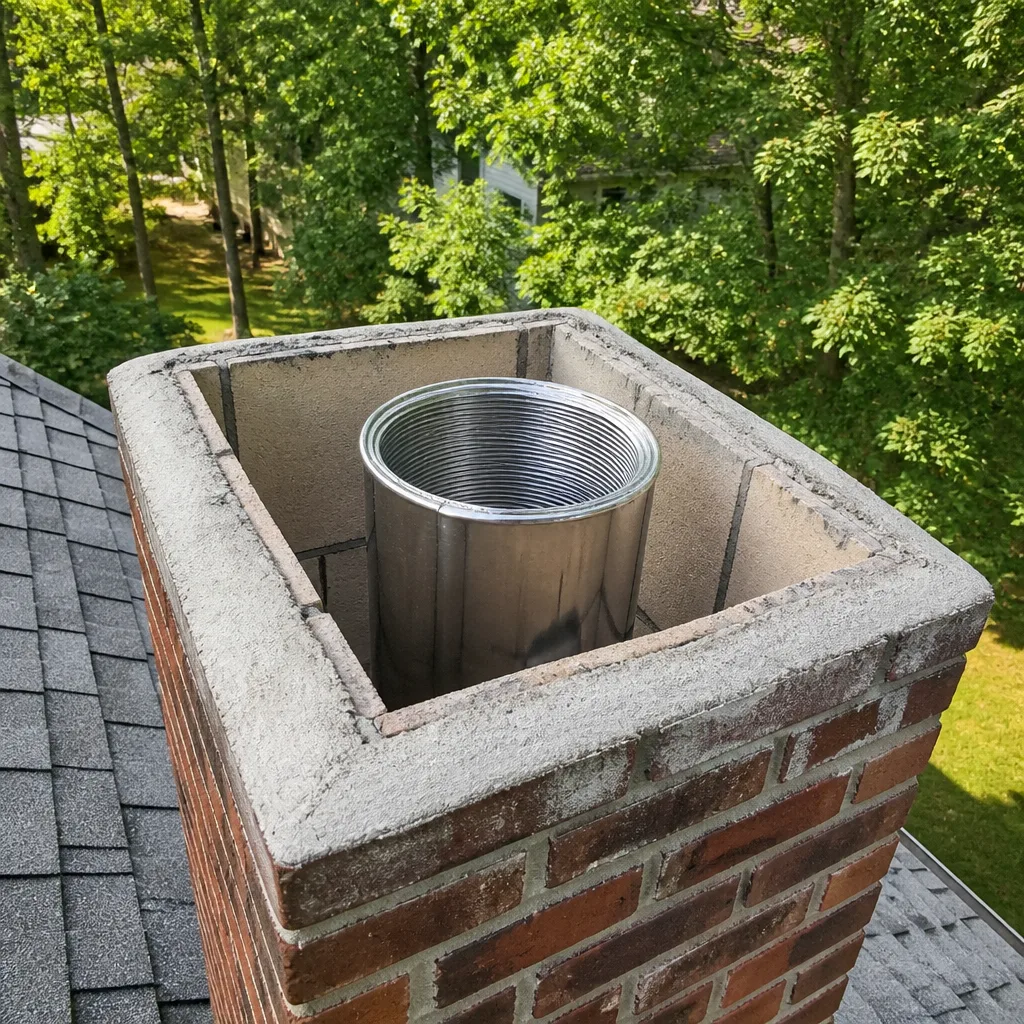
If the inspection finds a deteriorating flue liner, not every finding means replacement. HeatShield resurfacing is a restoration option for liners with certain kinds of damage, and it can be significantly less invasive than a full reline. When full relining is needed, we install DuraFlex liner systems directly – the relining work isn’t subcontracted out, because it’s the most structurally important part of the job. You’ll know which category your chimney falls into only after the inspection, and any recommendation should come with the camera evidence to back it up.
How Bellevue Wind Events Cause Sudden Draft Failure and Backdrafting
A chimney drafts because warm exhaust is lighter than cold outdoor air and wants to rise. That delicate pressure balance can flip when wind hits the top of a chimney at the wrong angle or at the wrong speed. In Bellevue, the wind events that matter most are the seasonal patterns off Puget Sound and through the Cascade foothills – the ones that carry gusts across the plateau and pick up speed as they cross open stretches of the Eastside. During those events, a chimney that drafted fine all season can suddenly backdraft: instead of pulling smoke up and out, it pushes smoke and CO back into the room.
What backdrafting looks like
- Smoke rolling out of the fireplace opening instead of up the flue, especially on the first light.
- A stove or insert that struggles to get going and spills smoke every time a door is opened.
- The smell of smoke in the house even though the fire is burning well.
- A “puffing” rhythm at the fireplace – small bursts of smoke escaping, then pulling back in.
Mechanical solutions that prevent it
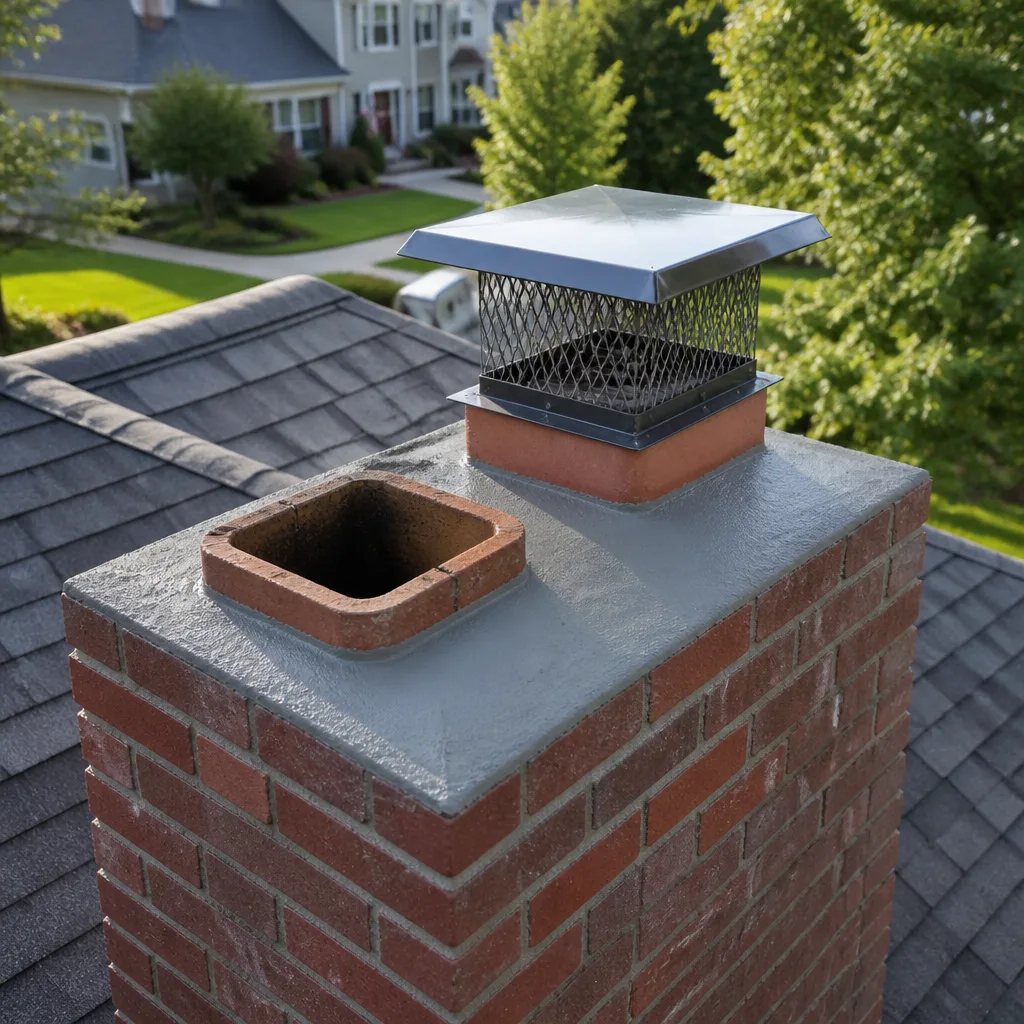
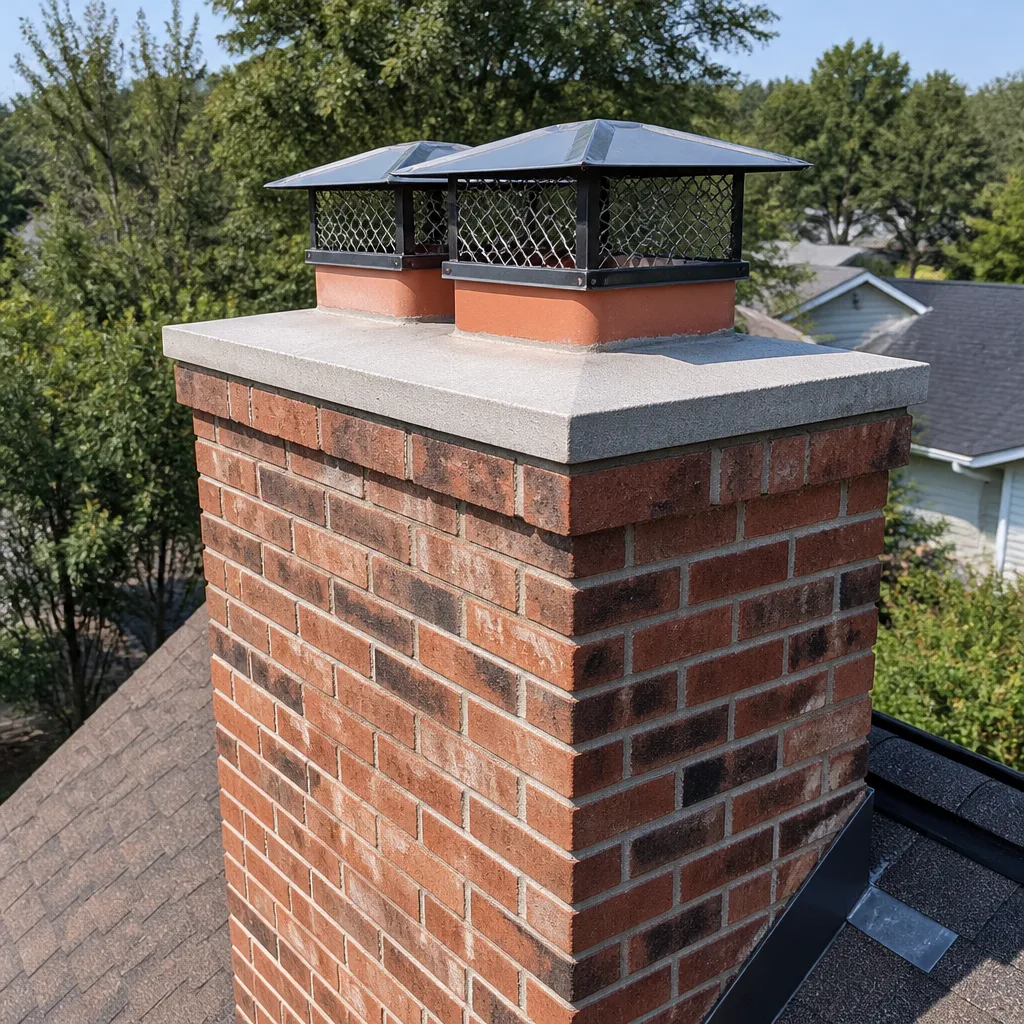
Several fixable factors make a Bellevue chimney more vulnerable to wind-driven backdrafting. A missing or damaged cap is the most common – wind pouring directly into an open flue top will push down the chimney rather than across it. We handle chimney cap & crown work for exactly this reason, and a properly sized cap with adequate wind protection is the first line of defense. Beyond that, drafting problems can stem from a flue that’s too short for the roof pitch, a chimney located on the downwind side of a larger structure, tight house construction with strong exhaust fans, or an undersized flue for the appliance. Each of these has a mechanical solution – taller flue, wind-resistant cap design, make-up air, or a properly sized liner – and each should be identified through inspection rather than guesswork.
Tight, newer construction in Bellevue neighborhoods like Spring District, BelRed, and the newer subdivisions around Klahanie can be especially sensitive to backdrafting, because the house envelope holds pressure and exhaust fans can pull harder than a marginally drafting chimney can resist. If you notice smoke spillage only when the bath fan or dryer runs, that’s a pressure problem, not a wood problem.
Prevention During Routine Maintenance: The Real Preparation Window
The most useful preparation for a chimney emergency happens months before one, during a routine chimney sweep. Every fire deposits creosote in the flue, and creosote is the fuel a chimney fire feeds on. The thicker and more glazed the creosote, the more heat the flue fire will produce and the more damage it can do. A sweep removes that fuel. That is the single most effective thing a homeowner can do to reduce chimney fire risk, and it’s why the routine appointment matters far more than any emergency kit.
How often a Bellevue chimney should be swept
The general industry guidance is to have a chimney swept and inspected annually, and more often if you burn frequently, burn unseasoned wood, or have a wood stove or insert that gets heavy use. In Bellevue’s wet, mild climate, wood that’s stored outside tends to absorb moisture, and damp wood burns cooler and smokier, which builds creosote faster than a dry, hot fire would. Season your wood under cover for at least a year before burning it, and have the chimney checked before each heating season.
The preparation checklist for the off-season
- Schedule a sweep and inspection before the first cold snap of the season, so there’s time to address any findings.
- Confirm the chimney cap is intact, sized correctly, and unobstructed by debris, nests, or leaf buildup.
- Check the crown for cracks that let water into the masonry above the firebox.
- Test every CO detector in the house and replace batteries.
- Re-read your wood storage setup: covered, elevated off the ground, and ideally stacked for a full year before it’s burned.
- Inspect the damper for smooth operation and confirm it fully closes.
- Keep a multi-purpose fire extinguisher near the hearth and check its gauge.
- Note the nearest exit path from the fireplace room and make sure it stays clear.
We offer chimney repair as a standalone service, which means if the sweep and inspection find a crown crack, a damaged cap, or failing mortar, the repair can be scheduled without a round of referral calls. One specialist covers the sweep, the inspection, the cap and crown, and the repair – so nothing falls between contractors. Our technicians have up to 11 years of experience, and the work is done with professional-grade materials sourced from lines like Copperfield and Gelco for caps, crowns, and masonry components that hold up.
What a Post-Emergency Chimney Inspection Actually Checks
A post-emergency inspection is more than a flashlight look up the flue. It’s a structured check of the full chimney system, from the firebox to the cap, with the goal of answering one question: is this chimney safe to use, and if not, what specifically needs to change. Here’s what a thorough inspection covers.
- The flue interior, from firebox to top. A camera-assisted inspection is the only way to see the full length of the flue and identify cracked tiles, gaps in the liner joints, or damaged stainless flex liner.
- The firebox and damper. Heat damage, warping, and failed refractory material in the firebox are common after a fire, even a slow-burn one.
- The smoke chamber. This is the sloped area above the damper and below the flue; it’s a common site for accumulated creosote and for cracks caused by heat.
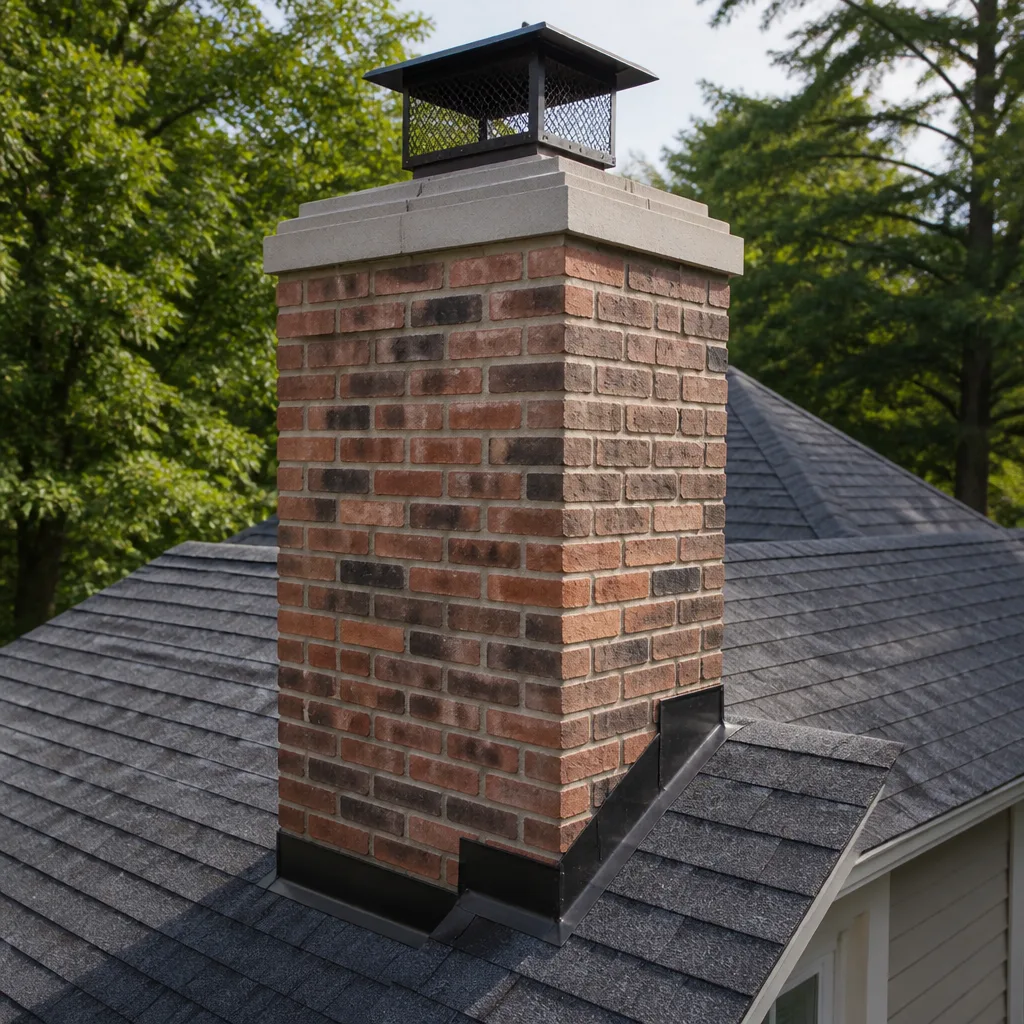
- The exterior masonry or chase. Cracks in the crown, spalling in the brickwork, and gaps at the roofline all let water in and compromise the chimney over time.
- The cap and spark arrestor. Damage to the cap is both a wind-driven backdraft risk and a pathway for water and animals into the flue.
- The surrounding framing. Where the chimney passes through the roof and floors, heat exposure can char framing. This is the one risk most often missed by a visual check because it happens out of sight.
The output of that inspection should be a written report with photos. You should be able to see the evidence yourself, not simply hear an opinion. If the chimney needs a resurfacing with HeatShield or a full reline with DuraFlex, the recommendation should be traceable to specific findings. If it doesn’t, the report should say that clearly too, and tell you when the next inspection is due.
Common Mistakes to Avoid
- Leaving the damper open during a chimney fire. Opening the damper feeds the fire oxygen and accelerates it. Close it – that’s step one, not an afterthought.
- Pouring water down a hot flue. The thermal shock can crack clay tile liners and cause the very damage you’re trying to prevent. Water from a bucket or hose is not a firefighting tool for a chimney fire; call 911.
- Assuming the fire is out because it went quiet. Slow-burn chimney fires often continue burning undetected. If you’ve had any chimney fire – active or suspected – the chimney doesn’t get used again until it’s been inspected.
- Relighting a fire after a chimney fire without an inspection. This is by far the most dangerous mistake in this guide. A damaged liner can shroud a hidden fire or fail mid-burn, and a cracked crown can route CO straight into the house.
- Skipping the annual sweep because the fire “looks fine.” A flue can be heavily creosoted while the fires burn clean. Visual check from inside the room tells you nothing about the condition of the flue above the damper.
- Burning unseasoned wood in Bellevue’s wet climate. Damp wood burns cool and smolders, which deposits more creosote faster. What burns fine on a dry October day can be a liability by January.
- Ignoring a chimney cap that’s come loose or clogged with debris. A damaged or missing cap is both a wind-driven backdraft risk and a path for water, animals, and debris into the flue. It’s also one of the simplest things to fix.
The theme across every item above is the same: the difference between a chimney that works as designed and a chimney that fails usually comes down to whether it’s been checked, swept, and repaired on schedule. A neglected chimney is a liability – a serviced one is a fireplace you can actually use. Our team handles the full system – sweep, inspect, cap and crown, and fireplace work – so nothing gets lost between contractors. If a fire damaged the firebox or the fireplace components around it, we cover fireplace repair as well.
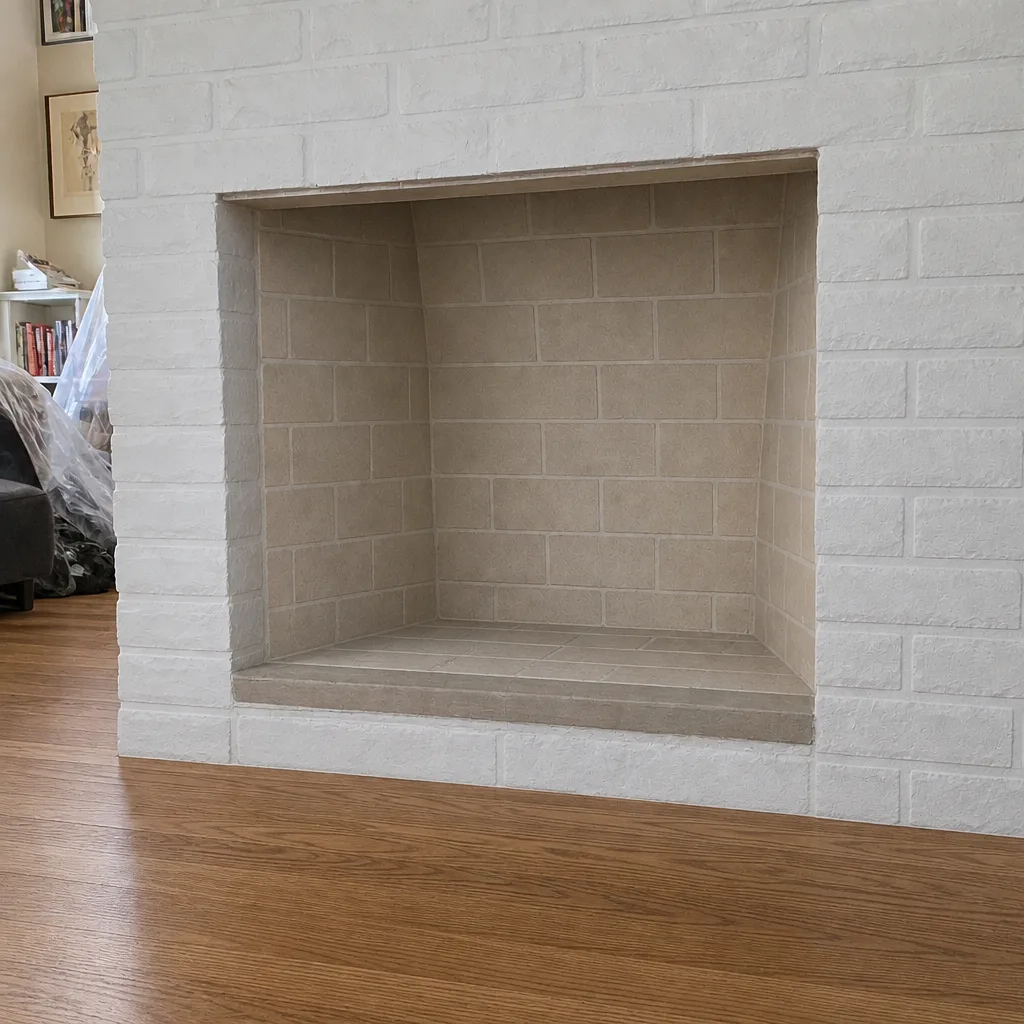
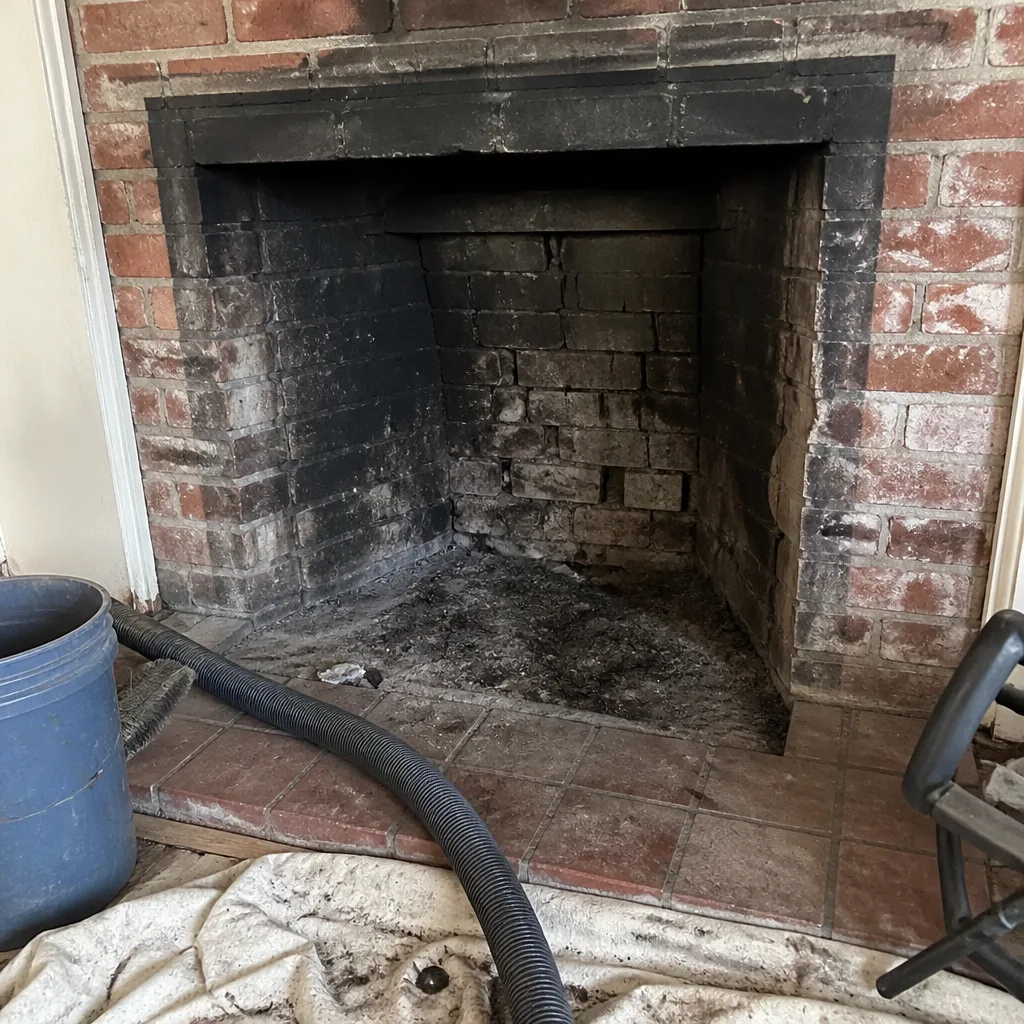
See the difference
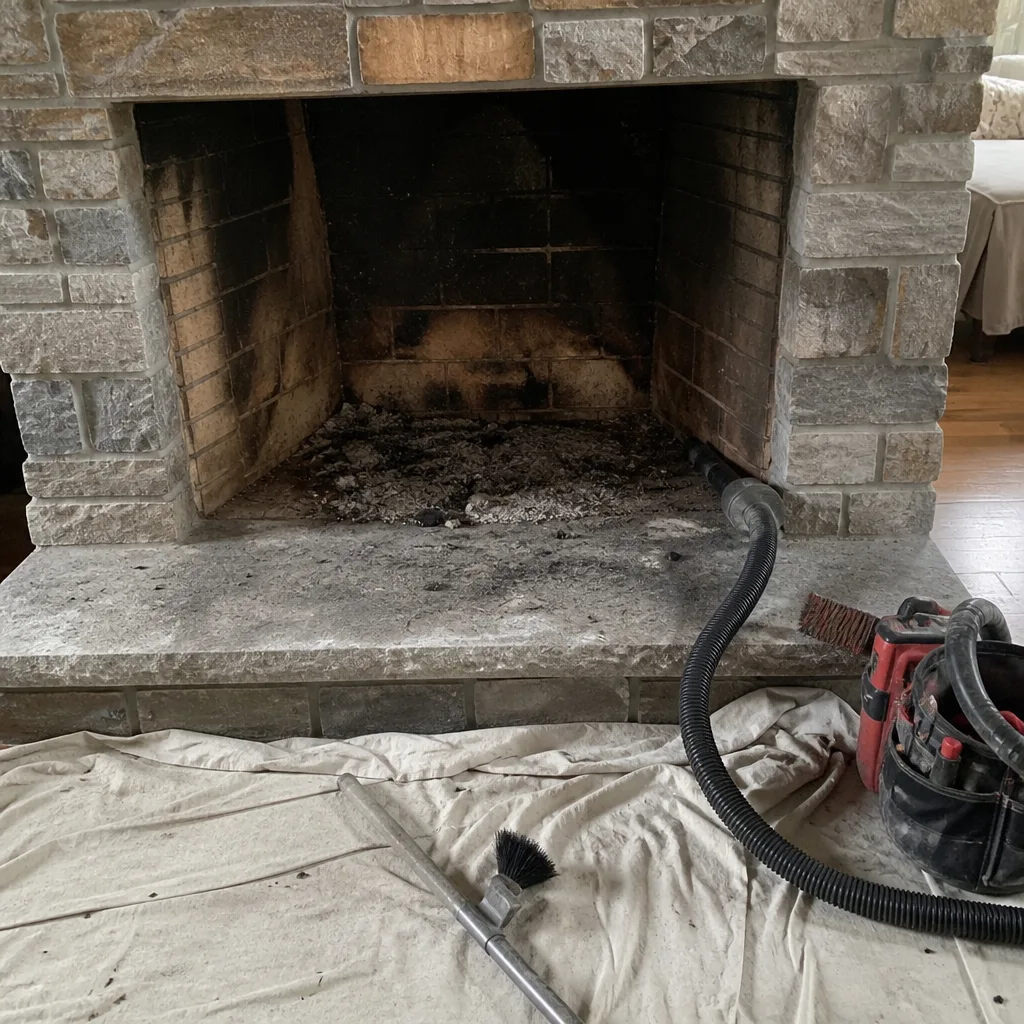 Before
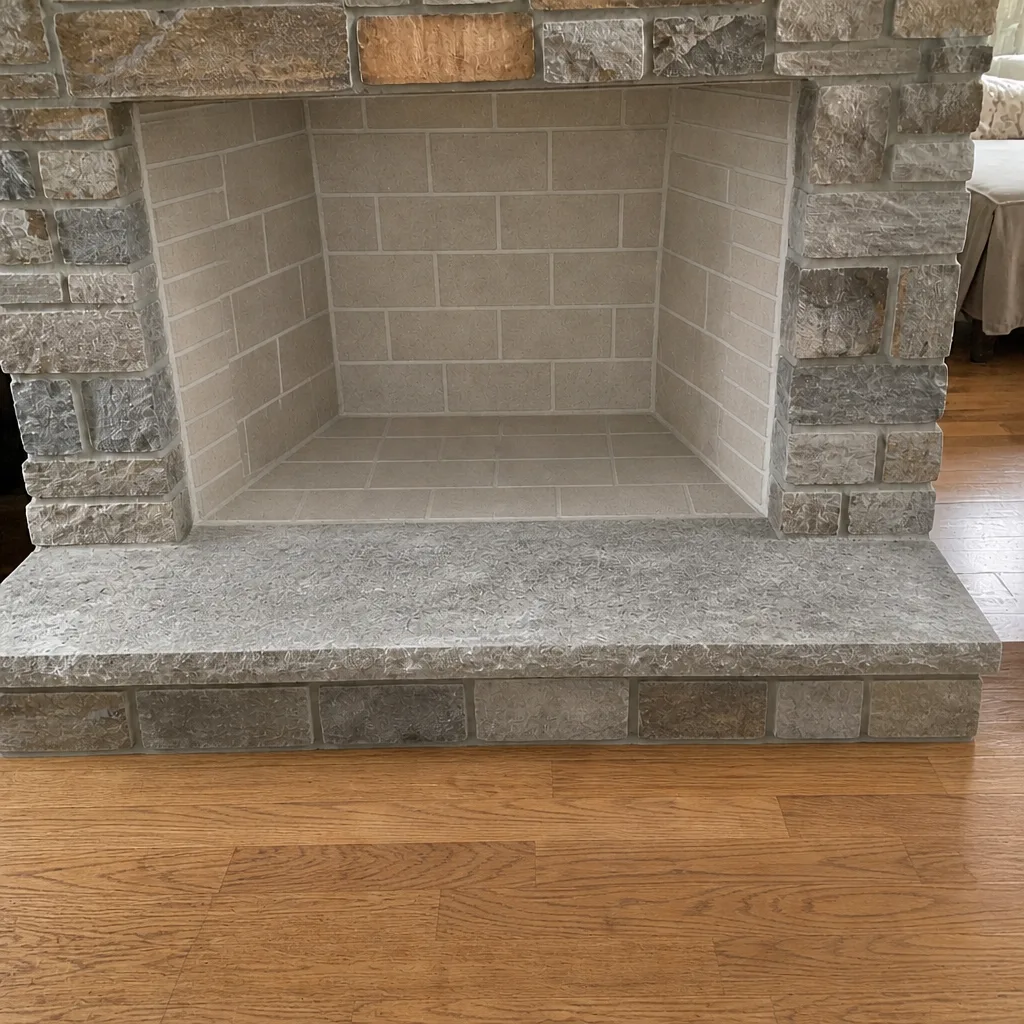 After
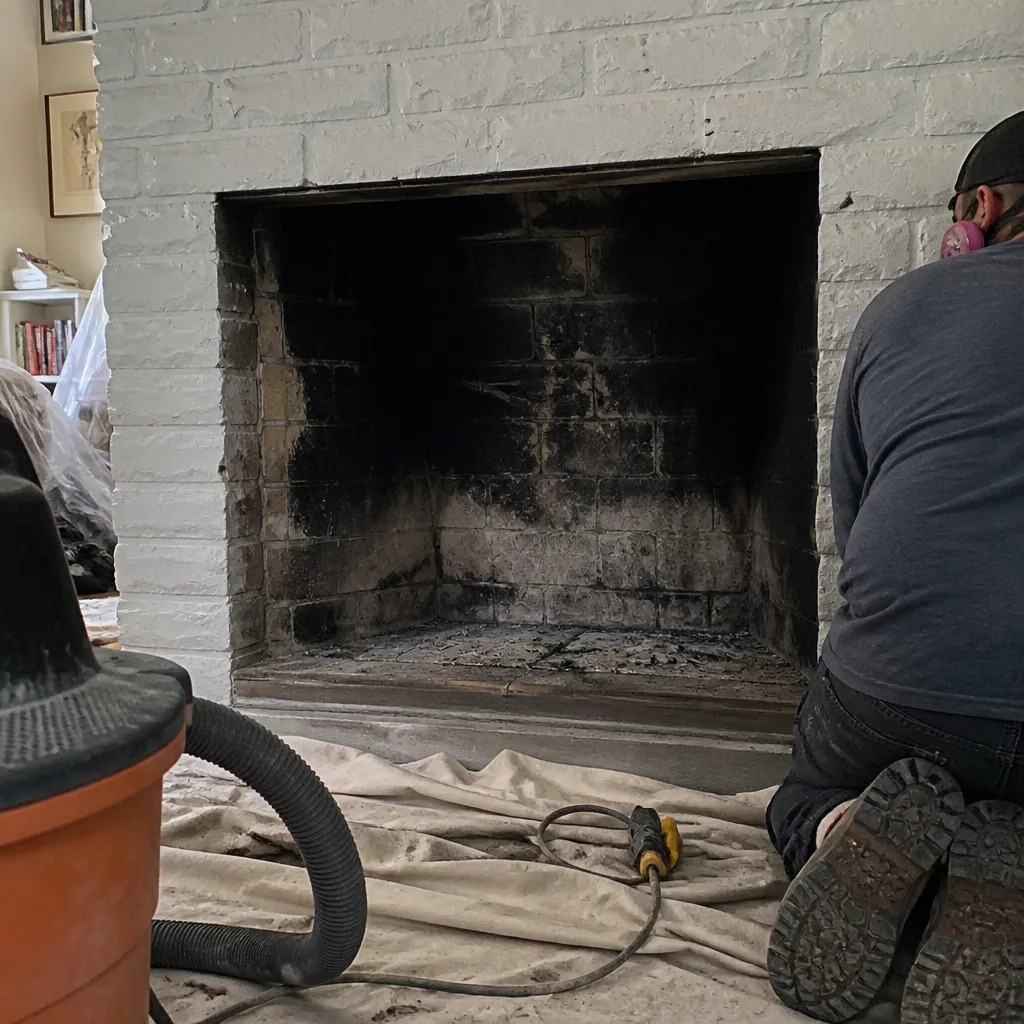 Before
 After
 Before
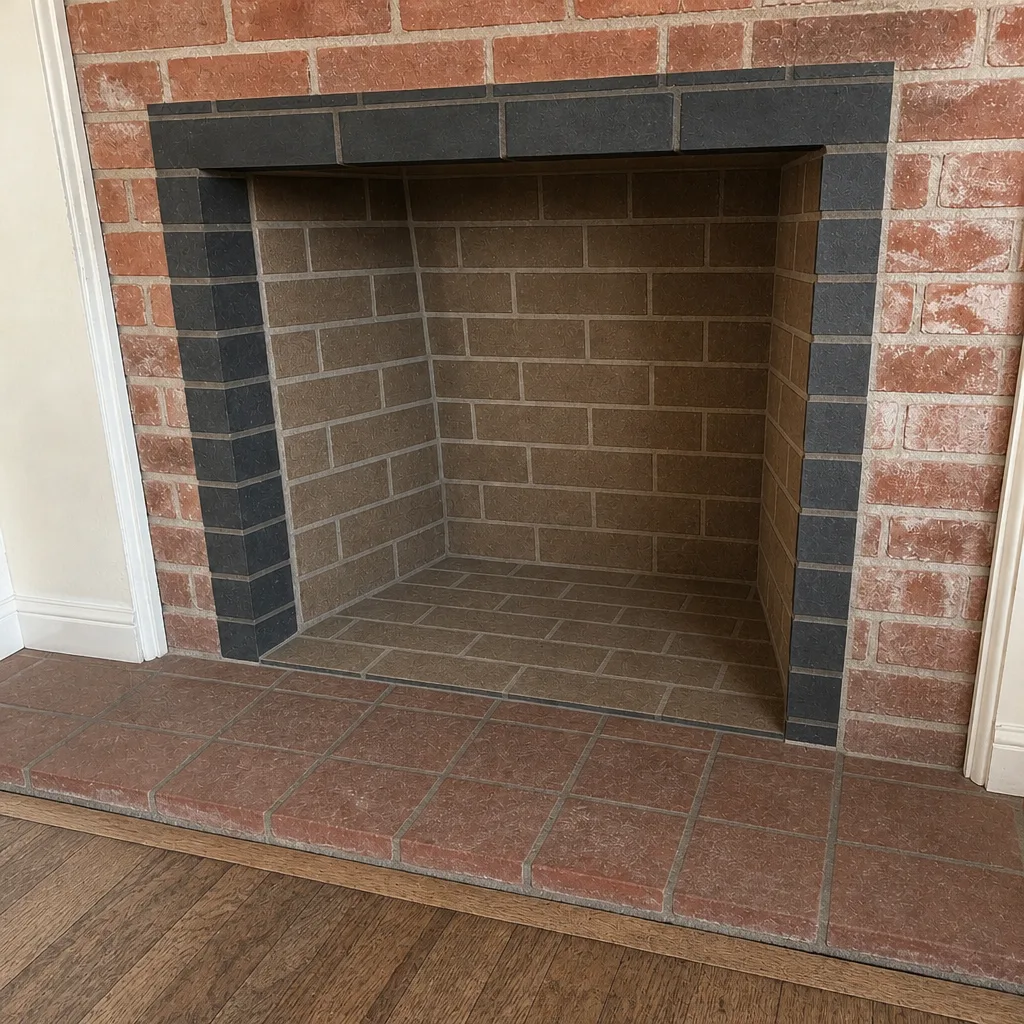 After
When to Call a Professional
Call a professional chimney specialist immediately in the following scenarios: you’ve had any chimney fire – active or suspected slow-burn – and the chimney hasn’t been inspected since; you see or smell smoke backing into the room when the fireplace is lit; a CO alarm has sounded and the initial responders have cleared the structure; or your chimney cap or crown is visibly damaged or missing. Schedule an inspection for routine reasons if it’s been more than a year since your last sweep, if you’re using a fireplace or wood stove in a newly purchased Bellevue home with unknown service history, or if you’re planning to sell and want documented condition information. Bellevue Chimney Sweep offers free estimates in Bellevue – call (844) 625-7326. Our technicians have up to 11 years of experience, and the estimate is written per job, so the price you’re quoted sets the final price. If you’re not sure whether your situation counts as urgent, the safest answer is still the same: get it looked at before you light another fire.
Frequently Asked Questions
Close the damper, get everyone out of the house, and call 911 from outside. Closing the damper cuts off oxygen to the fire, which slows it and buys time. If you have a chimney fire suppression product within arm’s reach, discharge it into the firebox – but never as a substitute for calling 911. Call (844) 625-7326 for a post-fire inspection – we answer 24/7 and dispatch from 7am to 7pm, Sunday through Friday.
You don’t – and that’s the point. A chimney fire can burn undetected inside a flue for hours, and only a professional inspection with a camera reaching the full length of the flue can confirm the fire is out and the chimney is safe to use. Never relight the fireplace after any chimney fire until a specialist has cleared it in writing.
No. A chimney fire that appears to have gone out on its own can still have cracked the liner, opened mortar joints, or heat-damaged the surrounding framing. The chimney doesn’t get used again until it’s been inspected. Call (844) 625-7326 to schedule a post-fire inspection in Bellevue.
Place one detector in the room with the fireplace or stove, and another near the sleeping area on each level of the home, especially upper floors. Don’t mount one directly above the fireplace opening where heat or smoke might cause nuisance alarms. If an alarm sounds, evacuate and call 911 first, then get the chimney and any vented appliance checked.
Yes. Wind hitting a chimney at the wrong angle or speed can overcome the upward draft and push exhaust – including carbon monoxide – back into the living space. A missing, damaged, or undersized cap is the most common mechanical cause. The fix is a proper inspection and a correctly sized cap or drafting solution. Call (844) 625-7326 for a free estimate on chimney cap and crown work in Bellevue.
Yes, if the chimney is connected to any vented appliance – a gas log set, a wood stove, or a gas furnace tied into a shared flue. Carbon monoxide can spill from any of those sources even without a wood fire. A standalone inspection gives you documented condition information on the flue, cap, and crown without a repair commitment attached. Call (844) 625-7326 to schedule one.
The Bottom Line
Chimney emergencies in Bellevue are almost always preventable, and the prevention happens long before the emergency: in a routine sweep that clears the creosote, an inspection that finds the problems while they’re still small, and repairs – a cap, a crown, a HeatShield resurfacing, a DuraFlex reline – that keep the whole system working as designed. If a chimney fire does happen, the sequence is short and non-negotiable: close the damper, get out, call 911, and don’t use that chimney again until a specialist has inspected it and cleared it in writing. Set up CO detectors with the chimney source in mind, treat wind-driven backdrafting as a fixable problem rather than a fact of life, and schedule the maintenance that makes the emergency plan mostly unnecessary. If you’re overdue for service, want a documented inspection, or you’re not sure where your chimney stands, call (844) 625-7326. We answer 24/7. Fast dispatch from 7am to 7pm, Sunday through Friday. We’re Bellevue Chimney Sweep, and the estimate is free.
Written by the team at Bellevue Chimney Sweep.