
Last updated November 25, 2026
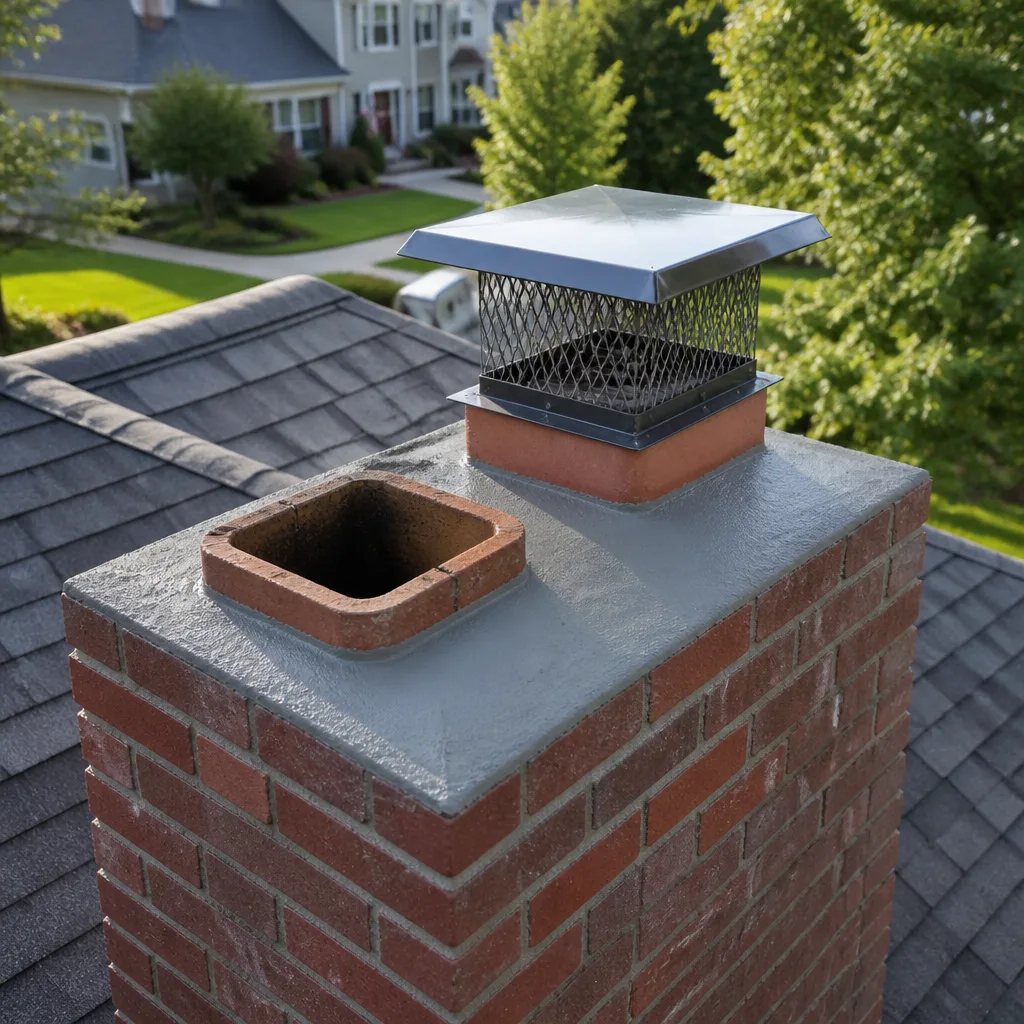 Sweep & inspection
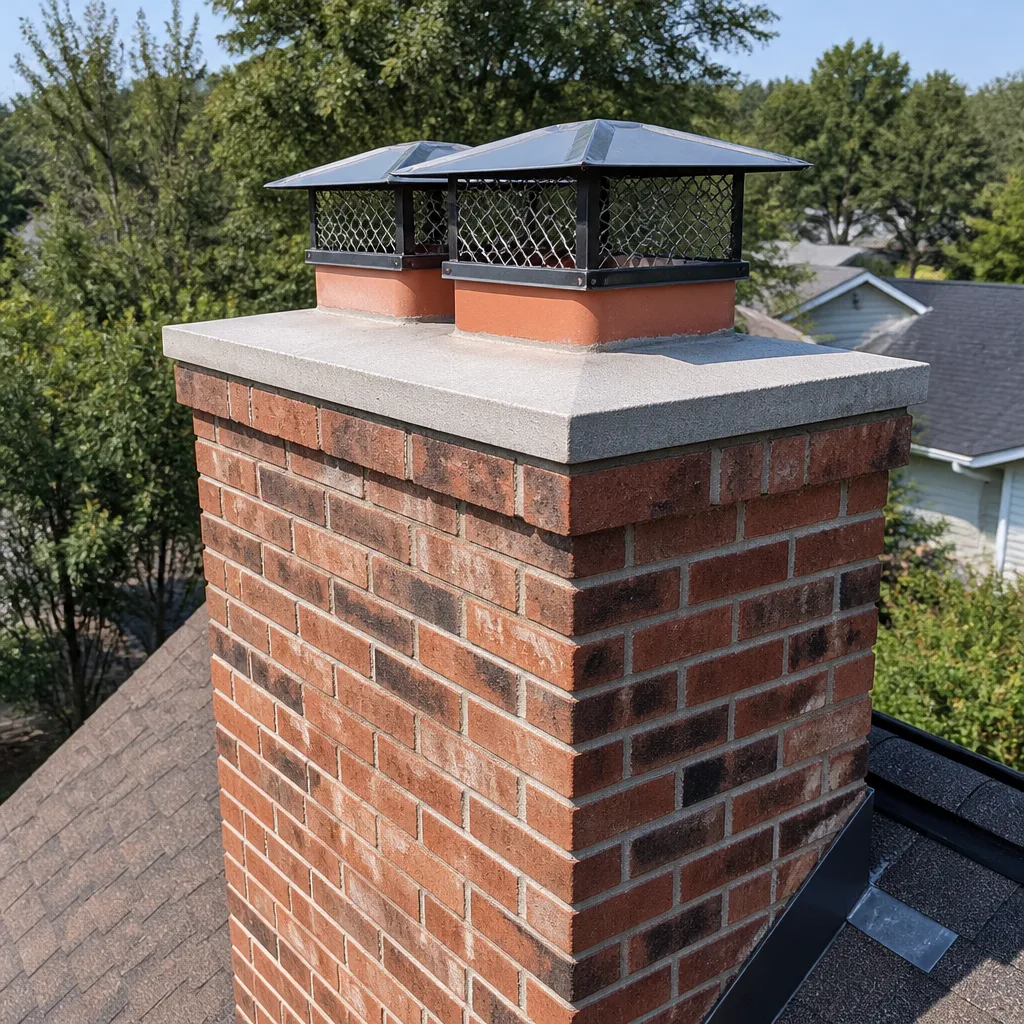 Caps & crowns
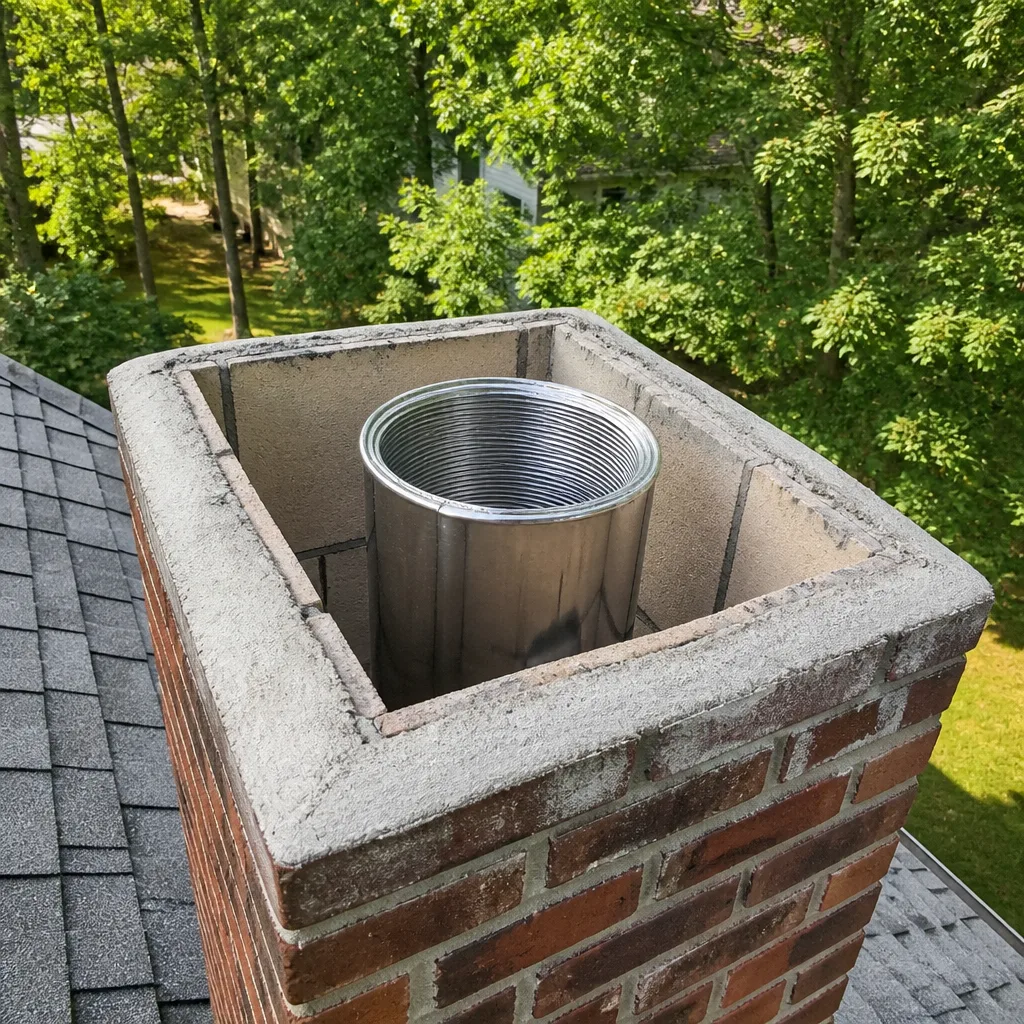 Flue relining
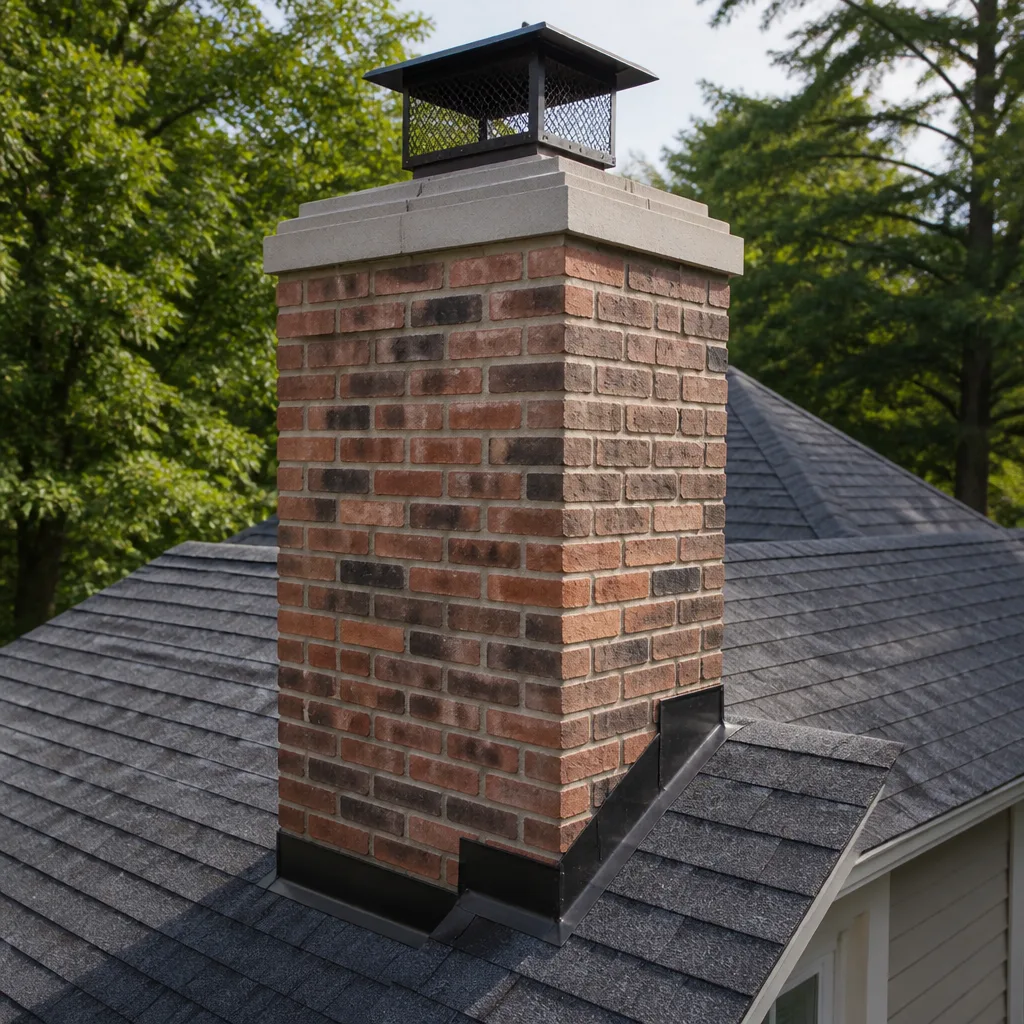 Masonry repair
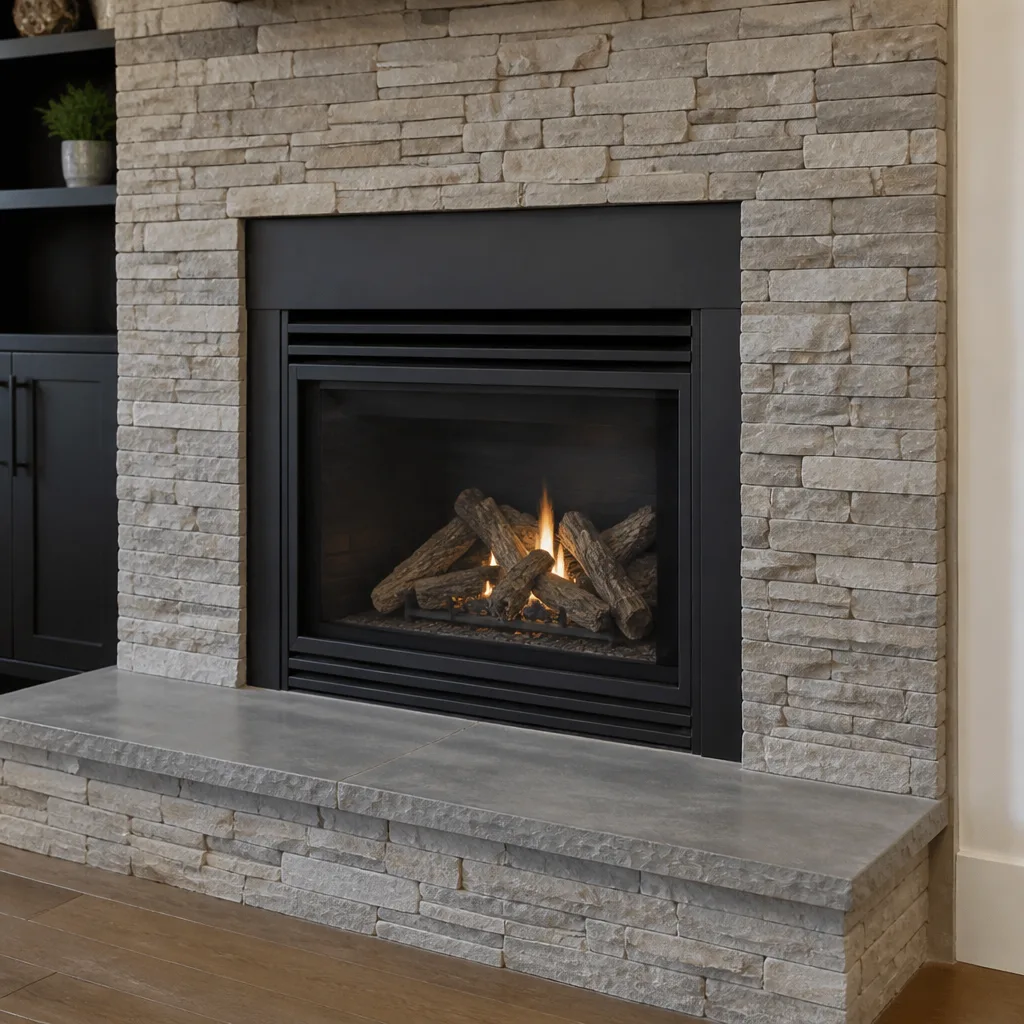 Gas fireplace service
Level 1 sweep and inspection to the NFPA 211 annual standard - flue, crown, cap, and flashing checked and photographed
Chimney sweep logs do not sweep chimneys. They loosen some creosote - which then falls where a brush and vacuum still have to collect it.
Choosing the Right Chimney Cleaning Brand: A Buyer’s Guide for Bellevue
When a contractor replaces your chimney liner, the brand and specification of the liner they install will determine how that chimney performs for the next 20 years. Yet most quotes don’t name the product at all. They list a line item called “liner” with a price beside it and nothing else. That single omission tells you more about the quality of the work than any brochure will. The same goes for the waterproofing compound sprayed on your masonry, the refractory material used to repair a smoke chamber, and the stainless steel in your cap. Brands are not a marketing detail in this trade. They are the difference between a repair that holds and one that comes back. This guide explains what professional-grade chimney products actually are, how to read a quote that specifies them, and what to ask before you sign. We write it from Bellevue, where wet winters make every one of these material choices matter more than they would in a dry climate.
Quick Answer
The right chimney products for a Bellevue home are branded, specified, trade-grade materials installed to code: a flexible stainless liner from a known manufacturer like DuraFlex, a penetrating silane-siloxane sealer rather than a film-forming coating, and a proper refractory parge coat for smoke chamber repair. The brand matters because gauge, alloy, and warranty terms vary widely between products that look identical from the outside. If a quote doesn’t name what’s going in, ask. A contractor who stands behind the work will be able to tell you.
Styles & brands we work with
- Sweep & inspection
- Caps & crowns
- Flue relining
- Masonry repair
- Gas fireplace service
Table of Contents
- Why the Brand of Chimney Products Matters
- Liner Brands and How to Compare Them
- Waterproofing Products and Bellevue’s Wet Climate
- Smoke Chamber Repair Materials: What a Proper Parge Coat Involves
- How to Read a Chimney Service Quote
- Material Quality and Warranty Terms
- The Product Lines We Work With in Bellevue
- Common Mistakes to Avoid
Why the Brand of Chimney Products Matters
A chimney liner is not a pipe. It’s a system component engineered to contain combustion gases at temperatures that can exceed what your furnace flue ever sees, and it has to survive contact with creosote, moisture, and the repeated thermal cycling of a Bellevue winter. Two liners can look the same in a photograph and behave completely differently after ten heating seasons. The stainless steel alloy, the wall thickness, the seam construction, and the insulation method are all brand-level decisions. A generic liner sourced from wherever is cheapest on the day of the install may meet minimum code on paper and still fail early because the alloy wasn’t rated for the fuel type or the wall was thinner than it should be.
Here’s the part most homeowners never hear. The vast majority of chimney product failures we’re asked to inspect started as a specification problem, not an installation error. The crew did a competent job with the wrong material. That’s why the brand question is a fair one to ask, and why a specialist should be able to answer it without hesitation.
- Gauge: stainless liners are measured by wall thickness. Thinner walls corrode faster in a wet climate and are more prone to cracking during sweeping.
- Alloy: different stainless grades handle wood smoke, gas, and oil differently. A liner rated for one fuel is not automatically correct for another.
- Insulation: a wrapped or insulated liner holds flue temperature and reduces condensation, which matters in Bellevue where flues run cold between fires.
- Warranty: the manufacturer’s written warranty reflects what the maker actually believes about its own product. Read it before you compare prices.
The climate in Bellevue amplifies all of this. A masonry chimney here spends months absorbing moisture from the air, then takes a hot fire, then cools down wet again. Materials that would coast along in a dry climate have to work harder on a Bellevue home. That is why we place so much weight on the brand and specification of what we install rather than on the speed of the job.
Liner Brands and How to Compare Them
Professional chimney specialists work with a recognized set of liner and component manufacturers. The names you’ll run into most often include Flex-All, HeatFab, Duraplus, DuraFlex, Olympia Chimney, and a handful of others, each with its own alloy grades, sizing tables, and warranty structure. DuraFlex flexible liner systems are what we typically reach for on relining work, because we install them directly and can stand behind the specification. Olympia Chimney makes a range of venting and liner components we also use where the job calls for them. What matters for a homeowner in Bellevue isn’t so much the logo on the box as whether the contractor can explain why that particular product was chosen for your flue.
Comparing liner brands is less about brand loyalty and more about four questions you can put to any contractor:
- What alloy and gauge are you installing? A reputable specialist will have a number for this. If they don’t, they don’t know what they’re putting in your chimney.
- Is the liner insulated, and how? In our climate, an uninsulated liner in an exterior chimney runs cold, which encourages creosote and condensation.
- Is the liner listed for the fuel you’re burning? A wood-burning fireplace and a gas appliance need different product ratings.
- What does the manufacturer’s warranty cover, and for how long? The warranty follows the product, so ask to see it.
One more point worth making. A flexible liner has to be sized correctly for your flue’s internal dimensions, then properly connected at the top plate and the appliance collar. The brand tells you what the material is capable of. The sizing and connection tell you whether that capability is actually delivered. A premium DuraFlex liner installed at the wrong diameter is still a problem. So when you interview a contractor in Bellevue, ask about both the product and the method.
Waterproofing Products and Bellevue’s Wet Climate
Water is the single most common cause of chimney damage we see in Bellevue, and it rarely announces itself. It seeps into brick and mortar, freezes in a cold snap, expands, and quietly spalls the face of the masonry. By the time a homeowner notices, the repair scope has grown. This is why the waterproofing product a contractor uses is every bit as important as the technique used to apply it.
There are two broad families of exterior sealer, and they behave very differently:
- Penetrating sealers (silane, siloxane, or a silane-siloxane blend) soak into the masonry and line the pores from the inside, blocking liquid water while still letting vapor escape. This is the correct choice for brick and mortar in a wet climate.
- Film-forming coatings (acrylic, elastomeric, or cementitious paints) sit on the surface as a skin. They trap moisture behind the film, and when that moisture needs to escape it pushes the coating off. In Bellevue, film-forming coatings tend to blister and peel within a few seasons.
When you get a waterproofing quote, ask which type of product is being used and whether it’s a breathable penetrating sealer. A masonry chimney has to dry out from the inside, and only a vapor-permeable product allows that. Copperfield makes exterior products used in chimney work, and we specify breathable sealers rather than painted-on films. If a contractor can’t tell you which family their product belongs to, that’s your answer.
Smoke Chamber Repair Materials: What a Proper Parge Coat Involves
The smoke chamber is the sloped space above the damper and below the flue, and it’s one of the most neglected parts of a masonry fireplace. Its original construction is often corbelled brick with sharp ledges and gaps where creosote collects. A proper repair is not a smeared-over mortar patch. It’s a refractory parge coat: a purpose-made material applied over the whole chamber to smooth the surface, fill the gaps, and create a continuous, heat-rated lining. Smoktite is the best-known product for this, and materials of that type are what a specialist should be reaching for.
Here’s the difference, in practical terms:
- Mortar patch: a thin layer of ordinary mortar pushed over the worst spots. It doesn’t bond well to soot and creosote, it cracks as it cures, and it leaves the rest of the chamber untouched. It might look fine for a season.
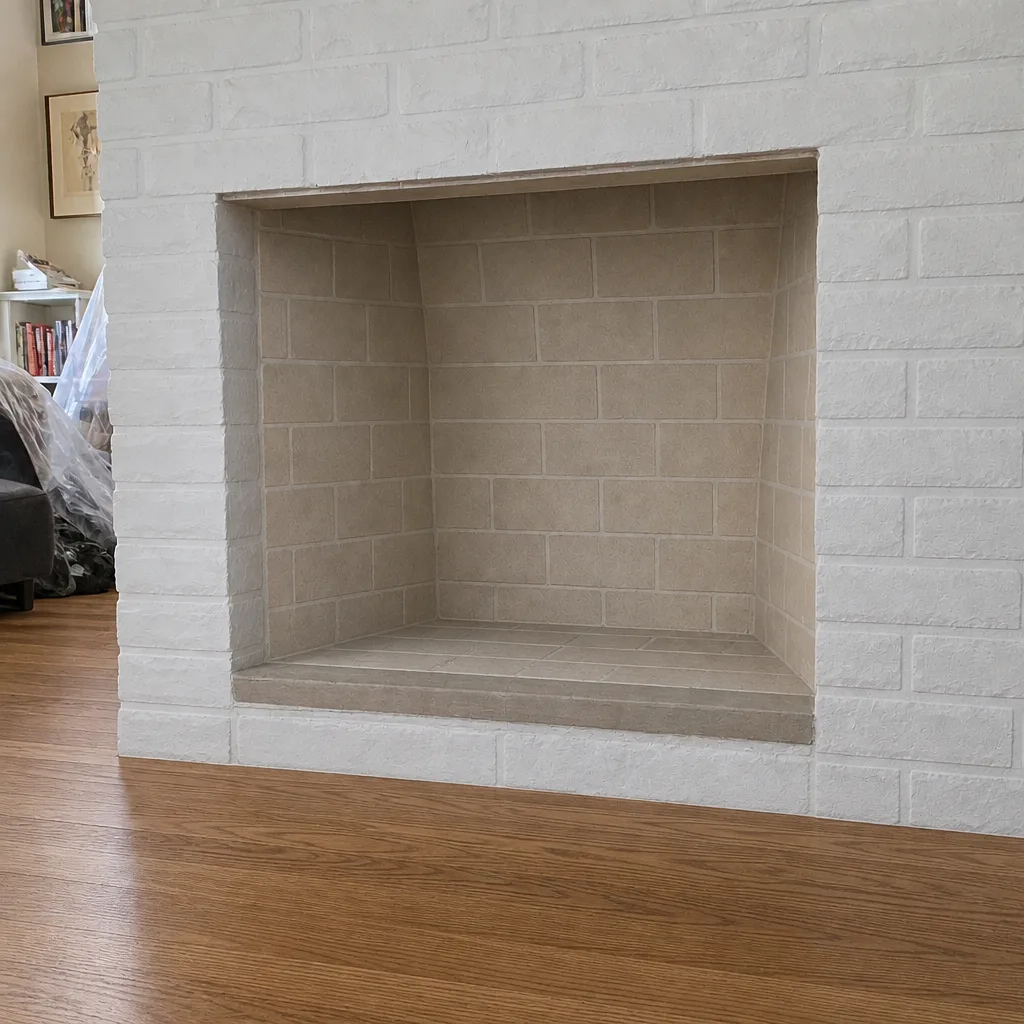
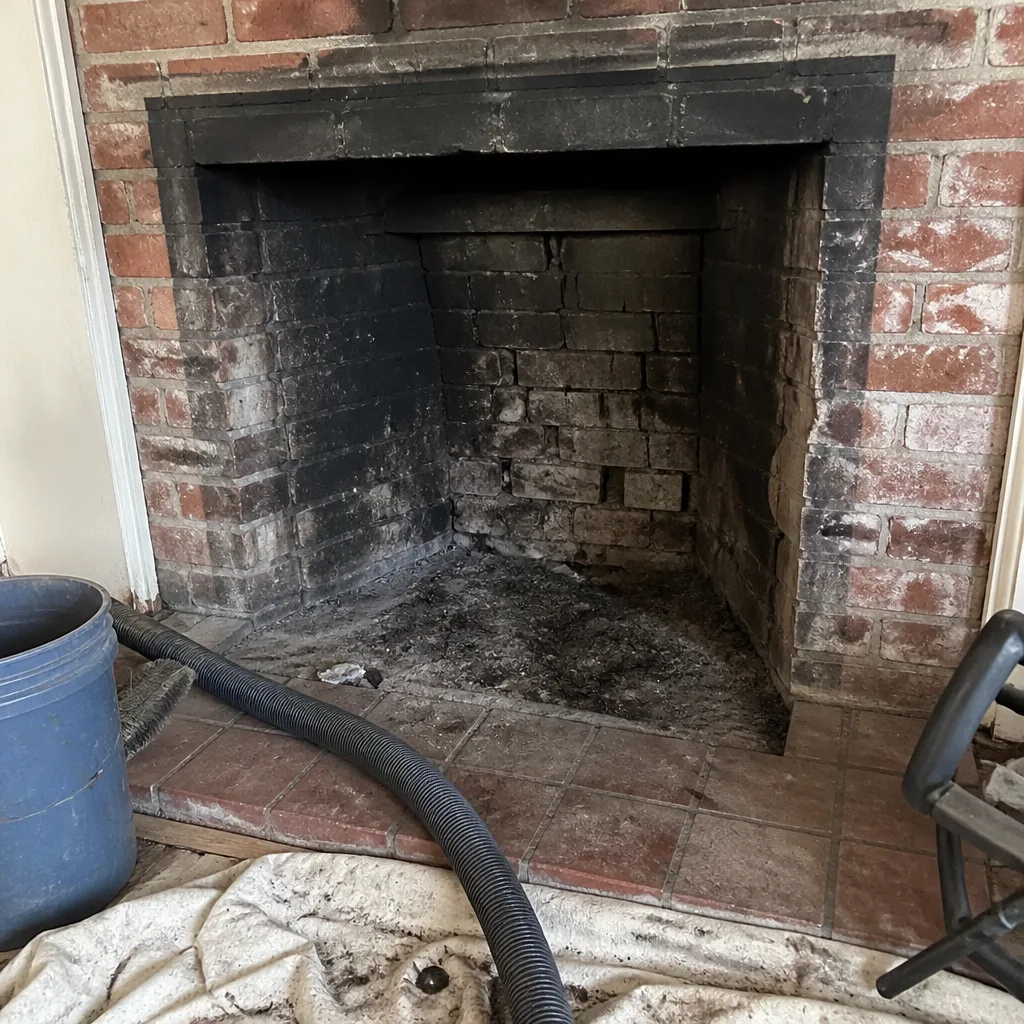
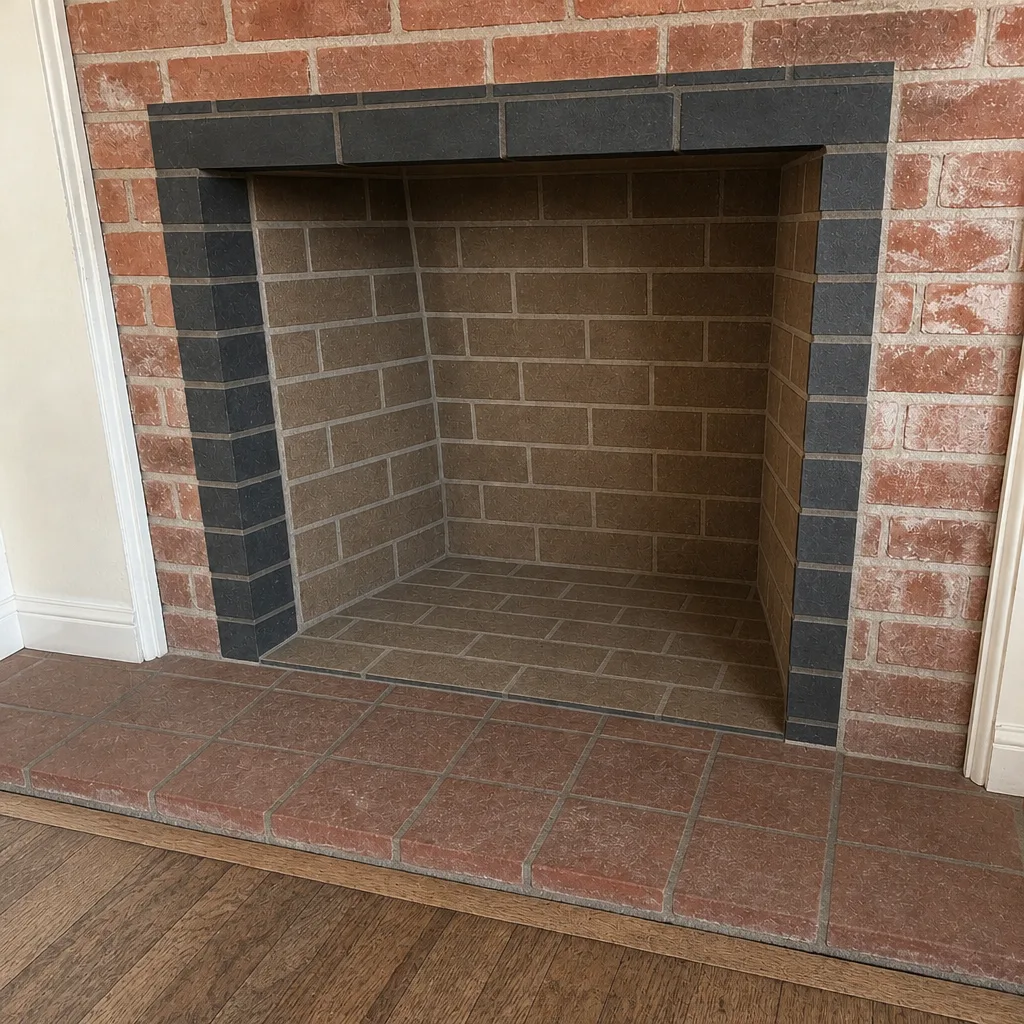
- Refractory parge coat: the chamber is cleaned first, then the entire interior is coated with a heat-rated refractory material in a specified thickness. The result is smooth, continuous, and rated for the temperatures it will see. You can see the difference in the inspection photo report.
Smoke chamber work is closely tied to safe use of the fireplace, because a rough, gapped chamber is where creosote glazes and where a chimney fire can start. If a Bellevue homeowner is told they need smoke chamber work, ask which product is going on. The correct answer is a named refractory material, not “mortar.” If you’re considering structural fireplace work, our fireplace repair page covers how the whole firebox and damper assembly fit into the picture.
How to Read a Chimney Service Quote
A quote that includes branded, specified materials looks different from one that doesn’t, once you know what to scan for. The first gives you something to hold the contractor to. The second leaves the material choice open until the day of the install, which is exactly when the cheapest option becomes tempting.
Use this as a checklist when a quote lands in your inbox:
- Is there a product name and specification? You should see the liner brand, the alloy and gauge, the sealer type, or the refractory product. “New liner” with no product name is an incomplete quote.
- Is the scope itemized? Sweeping, inspection, cap, crown, liner, and waterproofing should each appear as their own line so you can see what you’re paying for.
- Are the materials and labor broken out? This lets you judge whether the price reflects trade-grade product or an economy substitute.
- Is the warranty written down? A contractor who stands behind a liner or a crown repair will put the terms in the estimate.
- Is the estimate in writing and final? The written estimate sets the price. Ask whether anything could change it.
The reason this matters in Bellevue specifically is that the wet climate tests every material decision within a couple of seasons. A waterproofing job done with a film-forming coating looks great the first summer and fails by the second winter. The quote was cheaper for a reason, and the homeowner finds out later. A quote that names the product is a quote that expects to be checked.
Material Quality and Warranty Terms
The warranty is where a contractor’s real confidence shows. A manufacturer’s warranty on a liner or a refractory product tells you what the maker stands behind. A contractor’s written warranty on the installation tells you whether they’ll come back if something goes wrong. You want both, and you want them in writing before the work starts.
Here’s what a credible warranty package looks like on chimney work in Bellevue:
- A manufacturer’s written warranty on the liner system, tied to the specific product installed, with the alloy and gauge documented.
- A workmanship warranty on the installation itself, covering the connection, the top plate, and the appliance collar.
- A written warranty on crown and cap repairs, because these are the parts most exposed to Bellevue rain and freeze-thaw cycling.
- Documentation: the inspection report photos, the product literature, and the warranty terms handed over at completion.
If a quote is silent on warranty, that’s a signal. The material choice and the warranty terms usually travel together. A contractor installing a properly specified DuraFlex liner or a HeatShield-resurfaced flue will have warranty language ready, because the manufacturer has already published it. A contractor sourcing an unnamed product on the day of the install has nothing to hand you. When the work involves relining or a crown rebuild, ask for the warranty in writing before the job is booked, not after.
The Product Lines We Work With in Bellevue
We work with a curated set of professional-grade product lines rather than sourcing whatever is cheapest at the time. That’s a deliberate choice. It means our technicians know the specification, the installation requirements, and the warranty terms of the products they’re working with, and it means a Bellevue homeowner can look up what’s going into their chimney.
- DuraFlex flexible liner systems for relining, installed directly rather than subcontracted. This matters because relining is the most structurally critical part of chimney work.
- HeatShield for flue liner resurfacing. Where the existing flue is deteriorated but not beyond saving, HeatShield restoration can rebuild the liner surface without full replacement, a capability most sweep-only operations don’t have.
- Olympia Chimney components for venting and liner work where the job calls for them.
- Gelco and Famco products used in appropriate parts of the chimney system.
- Copperfield for exterior work, specified in breathable formulations suited to our climate.
Alongside the products, we offer a standalone chimney sweep as the entry point most Bellevue homeowners start with. A sweep includes a camera inspection and a photo report, so you can see the condition of your flue and crown yourself before any repair is discussed. Nothing is recommended without evidence you can look at. If you already know you need cap or crown work, our chimney cap & crown page has the details. And for a plain-language overview of everything we do, the Bellevue Chimney Sweep home page lays out the five service categories: sweep, inspection, cap and crown, chimney repair, and fireplace repair.
Common Mistakes to Avoid
- Accepting a quote with no product name. If the estimate says “liner” and nothing else, you’ve been told what the job is, not what’s being installed. Ask for the brand, alloy, and gauge before booking.
- Choosing a film-forming waterproof coating for a brick chimney. It looks good for a season and then traps moisture, which is the opposite of what a Bellevue chimney needs. Specify a breathable penetrating sealer.
- Letting a contractor patch a smoke chamber with ordinary mortar. A refractory parge coat is a different product applied a different way. Ask which one is on the quote.
- Skipping the inspection and going straight to repair. A documented inspection tells you what actually needs doing. A standalone inspection with a photo report is worth having before you commit to any repair.
- Ignoring the crown until the chimney leaks. The crown is the concrete top of the chimney, and Bellevue’s rain finds every crack. A crown repair is far less expensive than the water damage that follows a failed one.
- Trusting a warranty that’s discussed but not written down. Ask for the manufacturer’s warranty and the workmanship warranty in the estimate itself.
- Overlooking the flue cap. A missing or rusted cap lets rain and animals straight into the flue. It’s a small part with an outsized effect on how the rest of the system holds up.
See the difference
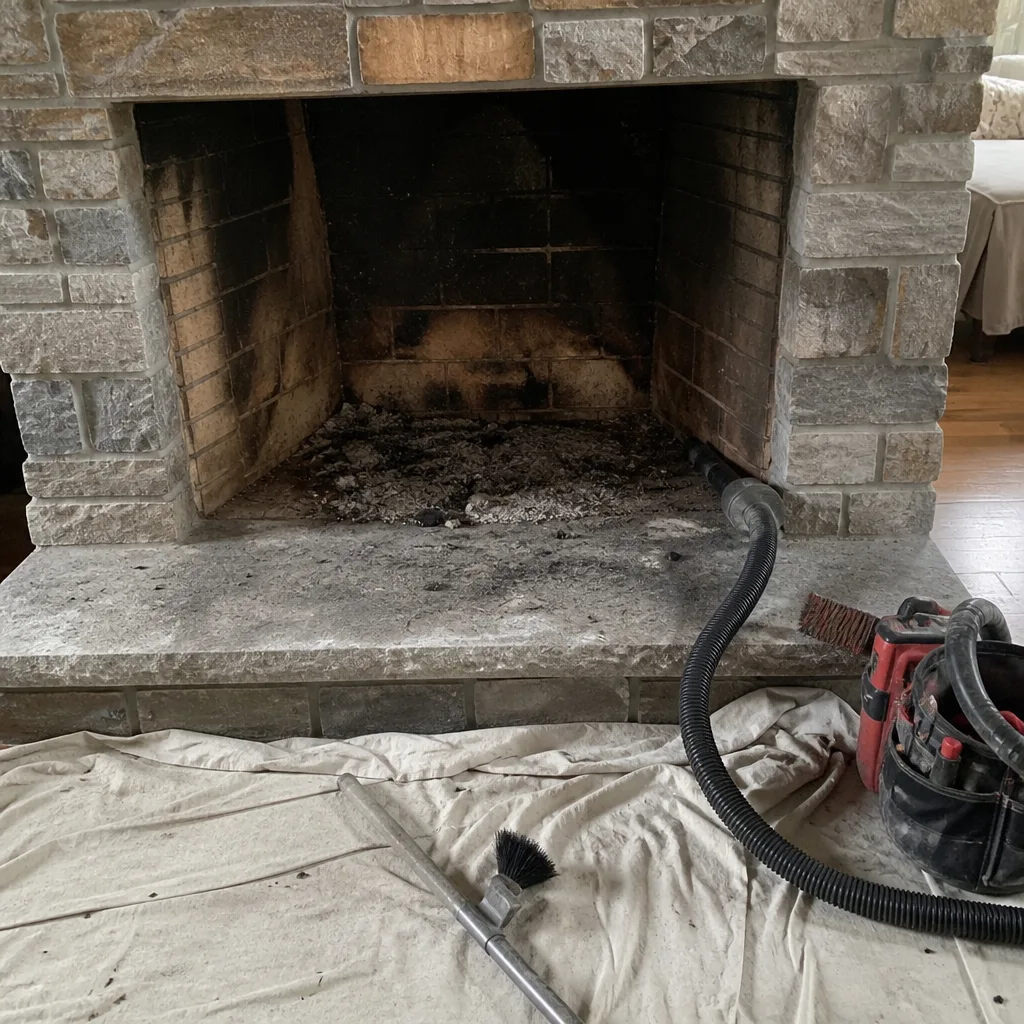 Before
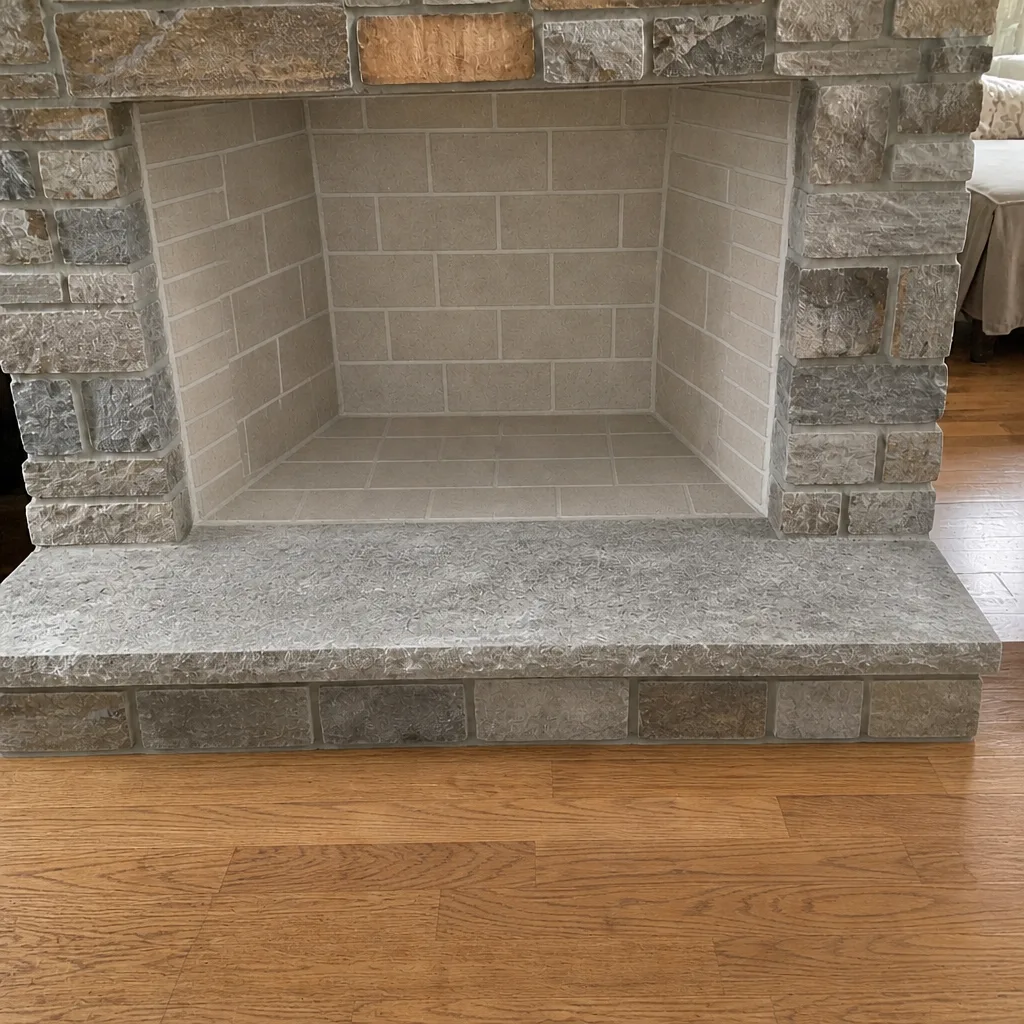 After
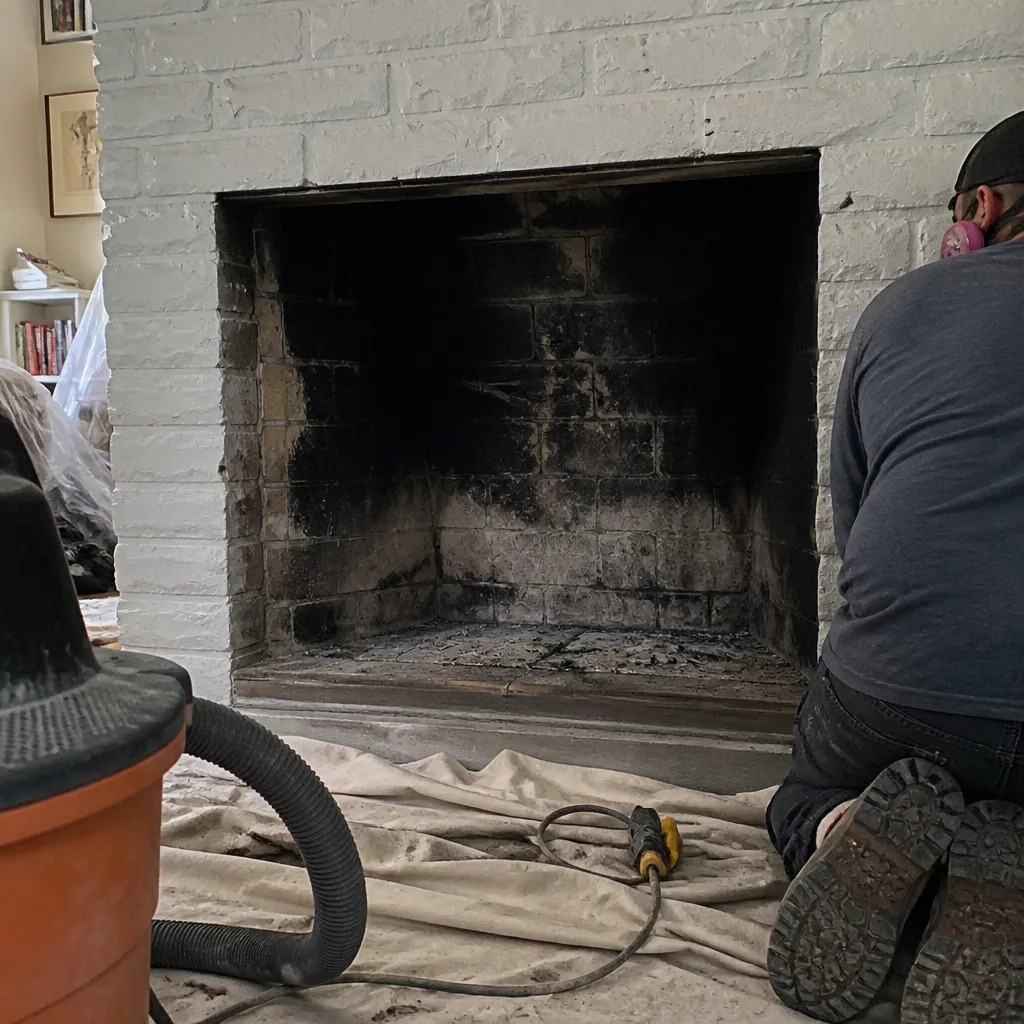 Before
 After
 Before
 After
When to Call a Professional
Call a professional when you can see or smell a problem, and call one when you can’t, because a chimney doesn’t always announce trouble. Specific situations that warrant a call in Bellevue: you’ve just bought a home and have no record of when the chimney was last serviced; you’ve noticed a strong smoke smell in the room when the fire isn’t burning; there’s water staining on the ceiling or the chimney breast; the masonry face is spalling or flaking; the crown has visible cracks; or you’re considering relining and want a straight answer on materials before committing. Any of these justifies a documented inspection with a camera and photo report, which you can review yourself before deciding what to do. Bellevue Chimney Sweep offers free estimates in Bellevue. Call (844) 625-7326. We answer 24/7. Fast dispatch from 7am to 7pm, Sunday through Friday. One specialist covers the full sweep, inspect, repair, and cap scope so you’re not juggling contractors.
Frequently Asked Questions
There’s no single best brand, only the right brand and specification for your flue, fuel type, and chimney construction. DuraFlex is the flexible liner system we install directly, and Olympia Chimney components appear on jobs that call for them. The more useful question is whether the liner is the correct alloy and gauge for your appliance and whether it’s insulated for our climate. Ask any contractor in Bellevue to name the product and show the manufacturer’s warranty before you book.
HeatShield resurfacing can restore a deteriorated flue liner where the existing structure is sound enough to support it, and it avoids a full reline in those cases. It’s not interchangeable with a new liner where the flue is structurally compromised. A camera inspection with a photo report tells you which situation you’re in, and we’ll say plainly when resurfacing is appropriate and when it isn’t. Call (844) 625-7326 for a free estimate.
Bellevue gets months of wet weather, and a brick chimney needs to dry from the inside out. A penetrating silane-siloxane sealer blocks liquid water while letting vapor escape; a film-forming coating traps the vapor and eventually peels. The wrong product undoes the benefit of a good application, which is why we specify breathable sealers rather than painted films. Ask any contractor which family their product belongs to.
A refractory parge coat is a purpose-made, heat-rated material applied over the whole cleaned smoke chamber to create a smooth, continuous lining. A mortar patch is ordinary mortar pushed over the worst spots, which bonds poorly and cracks. The parge coat is the correct repair. Ask which product is going on before the work is booked, and if you’re scheduling a documented inspection first, we can show you the chamber condition in photos.
A manufacturer’s warranty follows the specific product installed, and a workmanship warranty covers the installation. A contractor who stands behind the work will put both in the estimate. If a quote is silent on warranty, ask for it in writing before booking. We install DuraFlex liner systems and HeatShield resurfacing with the specification documented, so the warranty isn’t a mystery. Call (844) 625-7326 for a free estimate.
A liner can meet minimum code and still be the wrong choice for your flue. Gauge, alloy, and insulation all affect how long it lasts, and in a wet Bellevue climate the difference shows up faster than in a dry one. Branded, specified materials come with published specifications and warranties you can read, which is how you know what you’re getting. The written estimate sets the final price, so the question costs nothing to ask.
The Bottom Line
Chimney work in Bellevue rises and falls on materials. The brand and specification of a liner, the family of waterproofing product on your masonry, the refractory material in your smoke chamber, and the stainless in your cap all determine how the system performs over the years. You don’t need to become a product expert. You need to ask what’s being installed, ask for the written warranty, and ask to see the inspection photos before committing to any repair. A specialist who works with DuraFlex, HeatShield, Olympia Chimney, Gelco, Famco, and Copperfield can answer those questions without blinking. Call Bellevue Chimney Sweep at (844) 625-7326 for a free estimate. We answer 24/7. Fast dispatch from 7am to 7pm, Sunday through Friday.
Written by the team at Bellevue Chimney Sweep.